Introduction: Why Games Matter More Than Ever
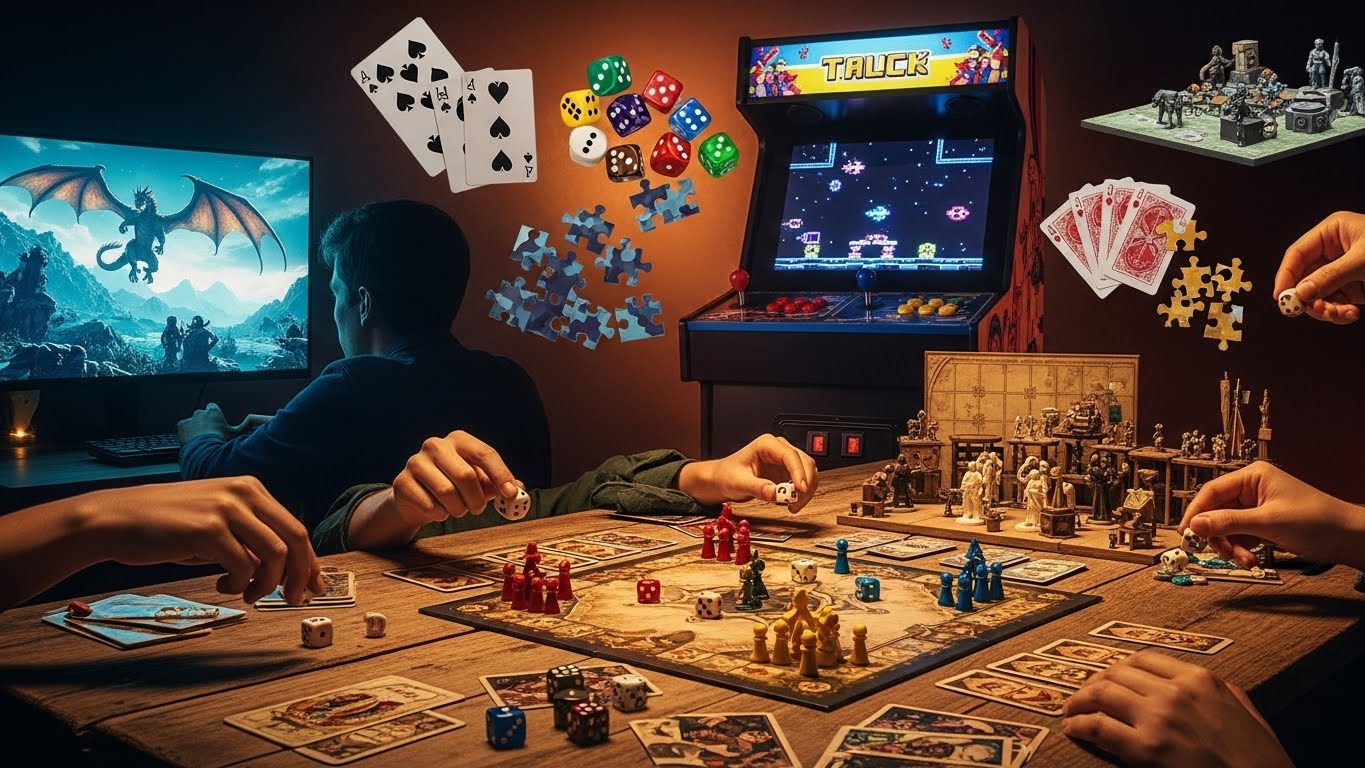
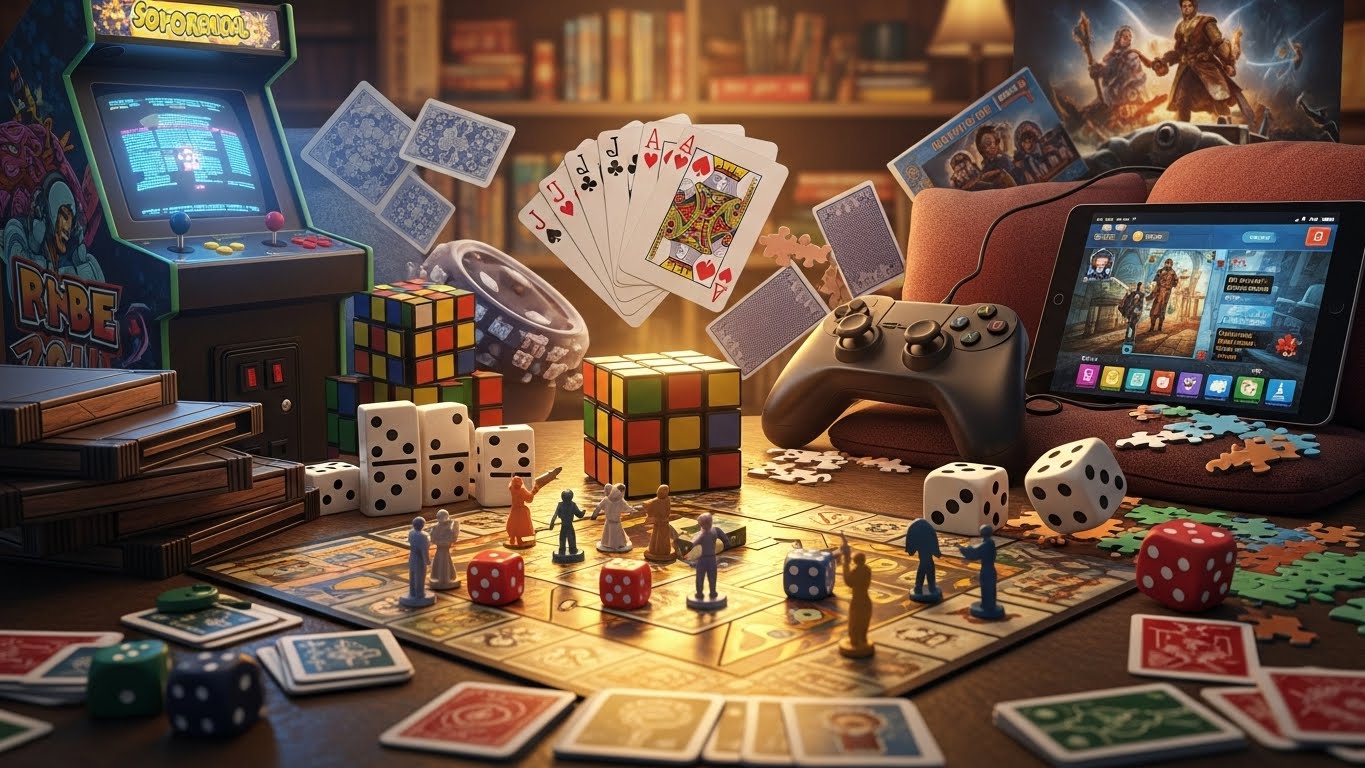
Games have always been part of human civilization, offering amusement, challenge, and connection. What began as simple activities meant to pass time has grown into a global phenomenon that influences culture, technology, education, and social interaction. In today’s world, games are not limited to childhood or leisure hours. They are complex systems that tell stories, test skills, bring people together, and even shape careers. Understanding games means understanding how people think, learn, and connect in a rapidly changing society.
The Early Roots of Games and Human Play
Long before digital screens existed, humans created games using stones, boards, cards, and physical movement. Ancient games often carried deeper meanings, teaching strategy, patience, and cooperation. Many early games were tied to rituals, social gatherings, or moral lessons. They were tools for bonding, learning, and passing traditions from one generation to the next.
These early forms of play laid the foundation for modern gaming. They proved that humans naturally seek challenge and reward, competition and collaboration. Even today, the basic principles remain the same: rules create structure, goals provide motivation, and play delivers enjoyment.
The Rise of Video Games as a Cultural Shift
The invention of video games marked a turning point in entertainment history. Early arcade games captured attention with simple mechanics and increasing difficulty. As home consoles emerged, gaming became more personal and immersive. Players could explore worlds, control characters, and progress through stories at their own pace.
With technological advancement, video games evolved into detailed experiences featuring advanced graphics, music, and narratives. Modern games can take dozens of hours to complete, offering depth that rivals novels and films. This transformation turned games into a respected form of media and storytelling.
Different Types of Games and Their Appeal
Games exist in many forms, each appealing to different interests and personalities. Action games focus on speed and reflexes, while strategy games reward planning and foresight. Role-playing games allow players to become characters in expansive worlds, making choices that influence outcomes. Puzzle games challenge logic and creativity, offering satisfaction through problem-solving.
Sports games simulate real-world competition, while simulation games replicate everyday activities in imaginative ways. Casual games provide short bursts of fun, while complex titles demand long-term commitment. This diversity ensures that gaming has something to offer everyone, regardless of age or experience.
Mobile Gaming and Accessibility
Mobile gaming has dramatically expanded the gaming audience. With smartphones widely available, games have become more accessible than ever before. People can play during short breaks, commutes, or moments of relaxation. This convenience has introduced gaming to individuals who might never have considered themselves gamers.
Mobile games often emphasize simplicity and engagement, proving that enjoyment does not require complex systems or expensive equipment. Their popularity highlights how games adapt to lifestyle changes, making entertainment flexible and inclusive.
Games as Social Experiences
One of the most powerful aspects of games is their ability to connect people. Multiplayer games encourage teamwork, communication, and shared goals. Friends and strangers alike can collaborate or compete, forming communities that extend beyond the game itself.
Online gaming has removed geographical barriers, allowing people from different cultures to interact through play. Voice chats, cooperative missions, and competitive matches foster friendships and rivalries. For many, games serve as social spaces where they feel understood and included.
Competitive Gaming and Esports Culture
Competitive gaming has grown into a global spectacle. Professional players dedicate years to mastering specific games, competing in tournaments watched by millions. Esports combines skill, strategy, and entertainment, creating events that rival traditional sports in popularity and excitement.
Beyond professional play, competitive gaming motivates casual players to improve their abilities. Rankings, leaderboards, and tournaments create goals and recognition, adding purpose and excitement to the gaming experience.
Storytelling Through Interactive Worlds
Games offer a unique approach to storytelling by making the player an active participant. Unlike movies or books, games allow players to influence events and outcomes. Choices made during gameplay can alter narratives, relationships, and endings.
This interactive storytelling creates emotional investment. Players do not just watch a story unfold; they live it. Characters feel more personal, challenges feel more meaningful, and victories feel earned. Games have become powerful tools for emotional expression and narrative exploration.
The Educational Value of Games
Games are increasingly recognized for their educational potential. Many games develop critical thinking, problem-solving, and decision-making skills. Strategy games encourage planning, while simulation games teach resource management and systems thinking.
Educational games use engagement and rewards to make learning enjoyable. Gamified learning environments motivate students by turning progress into achievements. Even entertainment-focused games can improve memory, coordination, and adaptability, demonstrating that learning and fun can coexist.
Emotional and Mental Benefits of Gaming
Games can provide emotional relief and relaxation. They offer escape from daily stress, allowing players to immerse themselves in different worlds and experiences. Completing challenges and achieving goals can boost confidence and satisfaction.
For some, games also provide a sense of control and accomplishment during difficult times. Cooperative games encourage support and teamwork, while creative games allow self-expression. When balanced properly, gaming can contribute positively to mental well-being.
The Business and Economy of Games
The gaming industry is one of the largest entertainment sectors in the world. It includes game development, hardware production, marketing, events, and content creation. Many careers now exist solely because of gaming, from designers and programmers to streamers and analysts.
Games also drive technological innovation. Advances in graphics, artificial intelligence, and user interfaces often originate from gaming needs. These innovations frequently influence other industries, showing how gaming contributes beyond entertainment.
Challenges and Responsible Gaming
Despite its benefits, gaming faces challenges. Excessive play can lead to physical and mental health issues if not managed properly. Developers and players share responsibility in promoting healthy gaming habits.
Concerns about content, inclusivity, and representation also exist. As games influence culture, it is important that they reflect diverse perspectives and promote respectful experiences. Addressing these challenges ensures that gaming remains a positive and enriching activity.
The Future of Games and Play
The future of games promises even greater innovation. Emerging technologies will create more immersive experiences, blurring the line between virtual and real worlds. Games may become more personalized, adapting to individual play styles and preferences.
Social integration will continue to grow, with games serving as spaces for creativity, collaboration, and shared experiences. As technology evolves, games will likely become even more central to how people communicate, learn, and entertain themselves.
Conclusion: Games as a Reflection of Human Creativity
Games are far more than simple entertainment. They reflect human curiosity, creativity, and the desire to connect with others. From ancient board games to modern digital worlds, games have evolved alongside society, adapting to new technologies and cultural shifts.
In every form, games offer challenges to overcome, stories to experience, and connections to build. They remind us that play is a fundamental part of being human. As the world continues to change, games will remain a powerful and meaningful way to explore ideas, express creativity, and find joy in shared experiences.