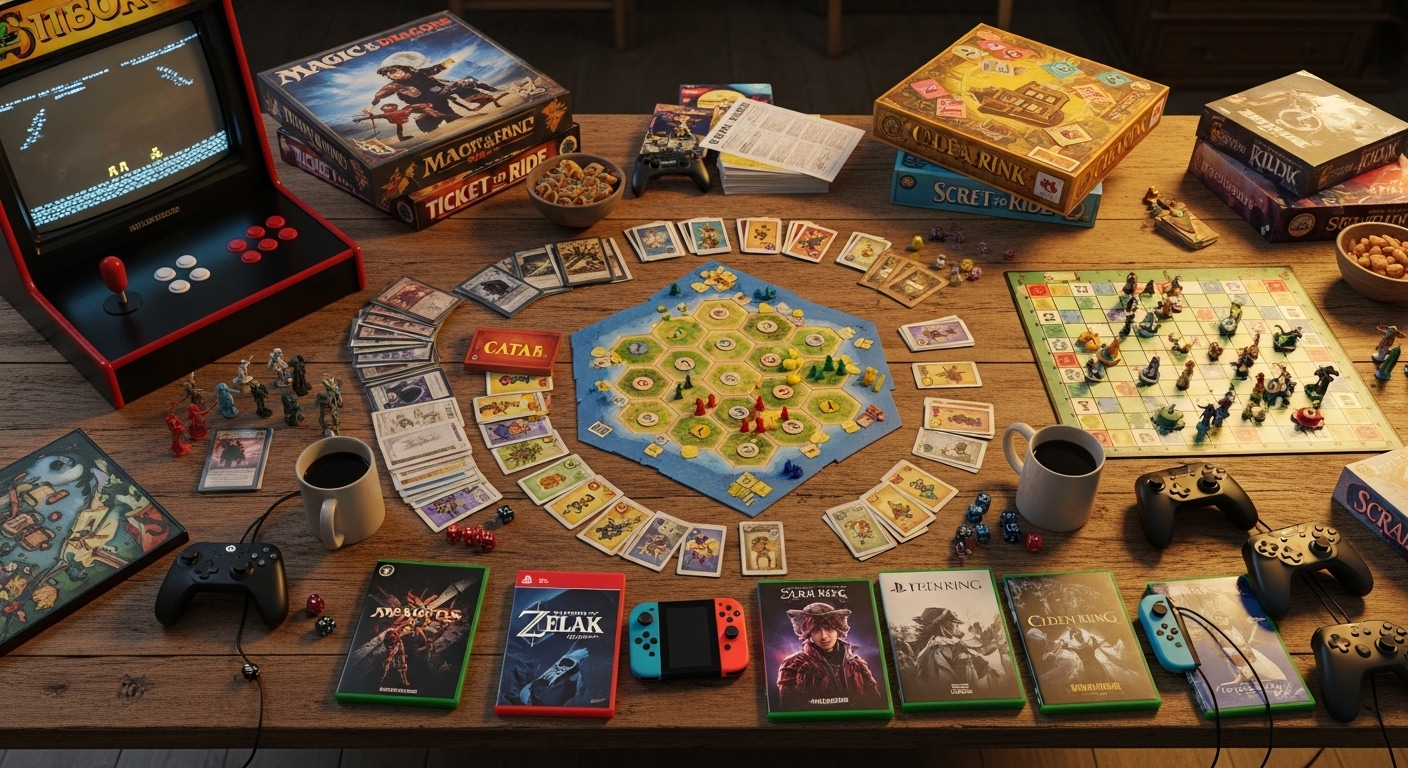
Introduction: Games Beyond Fun
Games are often seen as a way to pass time, a source of amusement, or a method of social interaction. Yet their impact extends far beyond mere entertainment. Games have been a part of human culture for thousands of years, influencing education, psychology, and even technology. Whether played on a physical board, through a console, or in a virtual world, games are a reflection of human creativity, strategy, and social behavior. This blog explores the evolution of games, their cultural significance, their psychological impact, and why they continue to captivate people of all ages.
The Evolution of Games Through History
Games are as old as civilization itself. Ancient societies used games to teach strategy, promote social cohesion, and prepare for real-life challenges. Early examples include board games like Senet in Egypt, Go in China, and chess in India. These games were not only a form of entertainment but also tools for intellectual development and social status.
With time, games evolved from simple physical activities and board games to complex role-playing and digital experiences. The invention of playing cards, dice, and competitive sports broadened the scope of gameplay. The 20th century brought video games, which revolutionized interaction by combining storytelling, graphics, and immersive gameplay. Today, games span multiple platforms, from traditional board games to cutting-edge virtual reality, reflecting humanity’s constant desire for challenge, exploration, and fun.
Games as a Tool for Cognitive Development
One of the most fascinating aspects of games is their ability to stimulate the brain. Strategy-based games like chess, puzzles, and real-time strategy games enhance problem-solving skills, critical thinking, and planning. Role-playing games encourage creativity, memory retention, and decision-making. Even simple games that involve pattern recognition or quick reflexes contribute to cognitive agility.
Educational games take this a step further by combining learning with interactive fun. Children and adults alike can learn complex subjects such as mathematics, history, and language through gamified experiences. Studies have shown that players who engage in challenging games often demonstrate improved attention spans and mental flexibility. In this sense, games are not just entertainment; they are mental workouts that engage the brain in meaningful ways.
The Social Dimension of Gaming
Games have always been social. Early games were played in groups, fostering cooperation, competition, and social bonding. Modern multiplayer games continue this tradition, connecting players across the globe. Online communities, esports, and cooperative gameplay allow players to interact, communicate, and build relationships in virtual spaces.
Social gaming also enhances teamwork, negotiation, and conflict resolution skills. Players learn to coordinate strategies, manage resources, and respond to unexpected challenges. In many cases, virtual connections formed through games translate into real-life friendships and professional collaborations. Games, therefore, act as a bridge between social interaction and digital connectivity, shaping how humans communicate and collaborate in a connected world.
The Cultural Impact of Games
Games reflect and influence culture. Traditional games carry historical and cultural significance, preserving customs and narratives from past generations. Modern games, particularly video games, often explore diverse cultures, mythologies, and societal issues, allowing players to experience worlds they might never encounter in real life.
Cultural representation in games has grown increasingly important. Games now feature characters, stories, and settings that reflect a variety of identities and experiences. This inclusivity fosters empathy, understanding, and global awareness. Additionally, games often inspire other art forms, influencing movies, literature, and music. The cultural footprint of games is profound, shaping both imagination and social consciousness.
The Psychological Benefits of Gaming
Beyond cognitive and social development, games have significant psychological benefits. They provide stress relief, relaxation, and emotional expression. Engaging in a game allows individuals to escape daily pressures, experience joy, and achieve a sense of accomplishment. The immersive nature of games also promotes mindfulness, as players focus intensely on tasks and challenges.
Games can also improve resilience and adaptability. Facing setbacks in a game teaches players to analyze failure, adjust strategies, and persist toward success. This ability to cope with challenges in a safe virtual environment can translate into better real-life problem-solving and emotional regulation. In essence, games offer both mental exercise and emotional growth, making them powerful tools for overall well-being.
The Rise of Digital and Mobile Gaming
The digital revolution transformed gaming into a global phenomenon. Video games now dominate the entertainment industry, offering vast worlds, complex narratives, and realistic graphics. Mobile gaming further expanded accessibility, allowing people to play anytime and anywhere.
The convenience of digital gaming has led to innovations in gameplay, storytelling, and interactivity. Games now feature live events, user-generated content, and evolving worlds that keep players engaged over time. The shift toward digital platforms also promotes inclusivity, enabling players from diverse backgrounds to participate and connect. This transformation demonstrates that gaming is not static; it adapts to technology, culture, and user preferences.
Games and Innovation in Technology
Games have historically driven technological innovation. Graphics engines, virtual reality, artificial intelligence, and networking technologies often develop first in gaming before finding applications in other industries. Games challenge developers to create realistic physics, responsive controls, and immersive experiences, pushing the boundaries of what technology can achieve.
Additionally, gaming has influenced educational tools, simulations, and professional training programs. Flight simulators, medical training programs, and architectural modeling all borrow principles from gaming to create interactive, engaging experiences. This synergy between play and innovation shows that games are more than entertainment—they are catalysts for progress and creativity.
Challenges in the World of Gaming
Despite its many benefits, gaming faces challenges. Concerns about addiction, excessive screen time, and sedentary behavior are often raised. Developers and players must balance engagement with healthy habits to ensure gaming enhances rather than hinders well-being.
Another challenge is content regulation and ethical responsibility. Games can influence attitudes and behavior, so creating responsible, inclusive, and age-appropriate content is crucial. While games offer a platform for expression and creativity, developers must remain mindful of their social and cultural impact.
The Future of Games
The future of gaming promises even more immersive and personalized experiences. Virtual reality, augmented reality, and artificial intelligence will redefine interactivity and storytelling. Games will continue to evolve as platforms for learning, social connection, and creative expression.
As technology advances, games will also become more inclusive, reflecting diverse voices and experiences. The boundaries between virtual and real worlds will blur, creating opportunities for education, therapy, and entertainment that were unimaginable just a decade ago. Despite these changes, the core appeal of games—the challenge, the joy, and the connection—will remain timeless.
Conclusion: Why Games Matter
Games are far more than mere amusement. They stimulate the mind, foster social bonds, reflect culture, and drive technological innovation. From ancient board games to the latest virtual reality experiences, games have consistently shaped human thought, creativity, and interaction.
In a world full of challenges and constant change, games offer a space to learn, connect, and grow. They remind us that play is not frivolous but essential to our development and happiness. Games are a celebration of human curiosity, strategy, and imagination, proving that the power of play is limitless and enduring.