Introduction: The Universal Allure of Games
For centuries, games have been a central part of human culture. From ancient board games played on the streets of Egypt to the cutting-edge virtual worlds of today, gaming has evolved in ways that were once unimaginable. But one thing has remained constant: the joy of playing games, whether for leisure, competition, or social interaction. In fact, games are so ingrained in human history that they have become a universal language, transcending borders, ages, and cultures.
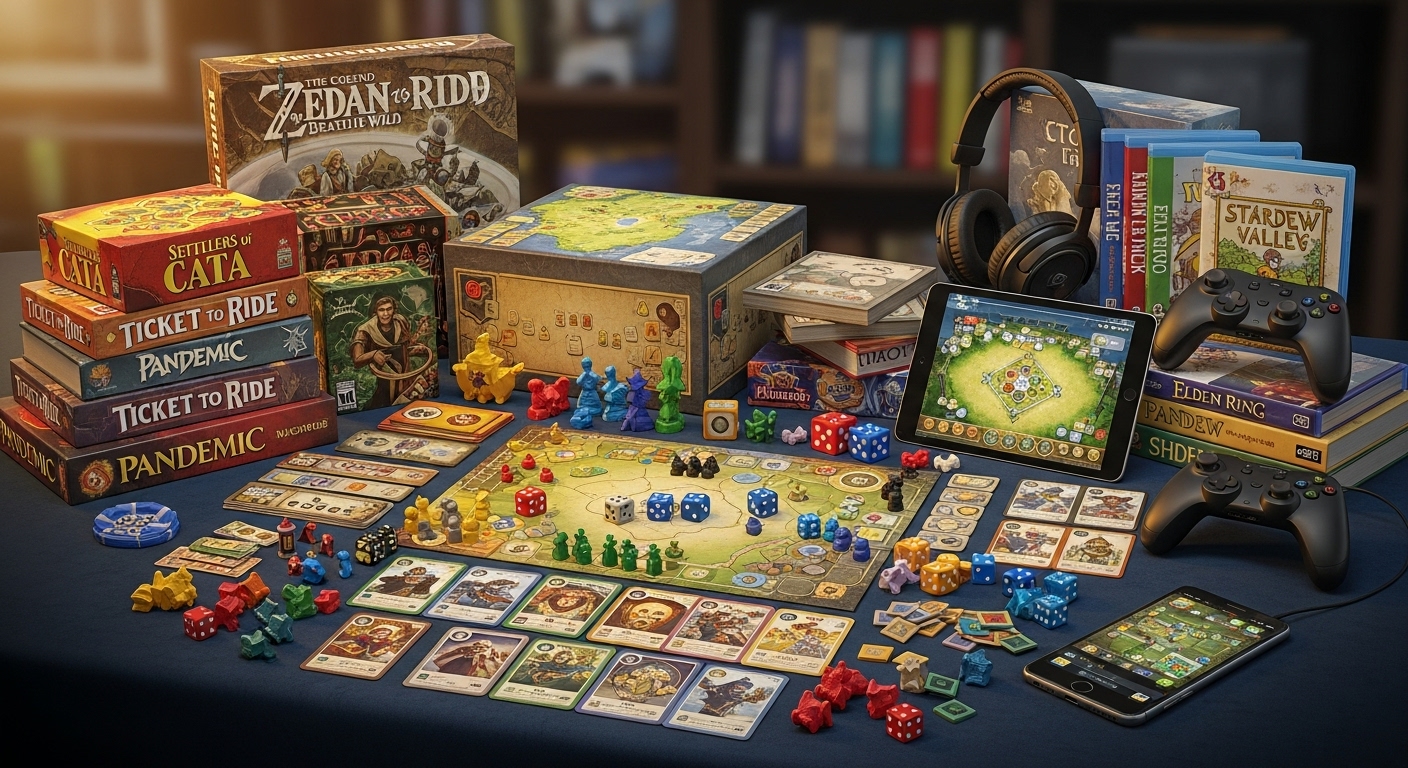
Today, games come in many forms, from traditional card and board games to video games and mobile apps. The rapid rise of digital technology has opened up new possibilities, bringing gaming into the homes and hands of millions around the world. This blog post delves into the diverse world of games, exploring their evolution, the psychology behind their appeal, and the future of gaming as both a form of entertainment and a global cultural force.
The Evolution of Games: From Ancient Civilizations to Modern Times
Games have been around as long as human civilization itself. The earliest recorded games date back to ancient Mesopotamia, with board games like Senet in Egypt and The Royal Game of Ur. These early games were often played for entertainment but also had symbolic or religious significance. For example, Senet was thought to have spiritual connections and was often placed in tombs to accompany the dead into the afterlife.
As civilizations evolved, so did their games. The ancient Greeks and Romans enjoyed games like Petteia and Tabula, which were similar to modern-day checkers and backgammon. The popularity of these games spread throughout Europe and beyond, eventually leading to the development of modern board games, such as chess, checkers, and backgammon.
Fast forward to the 20th century, and the gaming landscape shifted dramatically with the advent of technology. The first video game, Tennis for Two, was created in 1958 by physicist William Higinbotham on an oscilloscope, a far cry from the elaborate 3D graphics we see in games today. But it marked the beginning of a new era. In the 1970s, Pong—the first commercially successful arcade game—changed the world of entertainment forever.
The 1980s and 1990s brought the rise of home gaming consoles, with systems like the Nintendo Entertainment System (NES), Sega Genesis, and PlayStation making gaming accessible to millions of people at home. As technology advanced, so did the complexity of the games, with more immersive graphics, storylines, and gameplay.
The 21st century has seen gaming become an increasingly social and interactive experience. Online multiplayer games, esports, and mobile gaming have all contributed to the evolution of gaming from a solitary pastime to a community-driven activity. The internet has enabled players to connect globally, and the growth of gaming culture has given rise to professional esports leagues, streaming platforms, and influencer-driven content.
The Psychology of Gaming: Why We Love to Play
What makes games so appealing to people of all ages and backgrounds? The answer lies in the psychology of play. Humans are naturally inclined to engage in play, whether it’s for entertainment, relaxation, or socialization. Play offers a break from routine, allowing individuals to experience joy, challenge, and even mastery in a controlled environment. But there are deeper reasons why gaming resonates with so many people.
One of the main psychological factors behind the popularity of games is the concept of reward. Many games operate on a reward system, offering players tangible or intangible rewards for completing tasks or reaching milestones. This taps into our natural desire for accomplishment and satisfaction. The feeling of winning a game, whether it’s a match of FIFA or Candy Crush, provides a sense of success and gratification that can be highly addictive.
Additionally, games often provide a sense of control that people might not experience in other areas of their lives. In a game, the player’s decisions directly impact the outcome, giving them a feeling of agency and empowerment. Whether you’re leading an army to victory in Age of Empires or building a virtual city in SimCity, the ability to make decisions and see their consequences in real time is a powerful motivator.
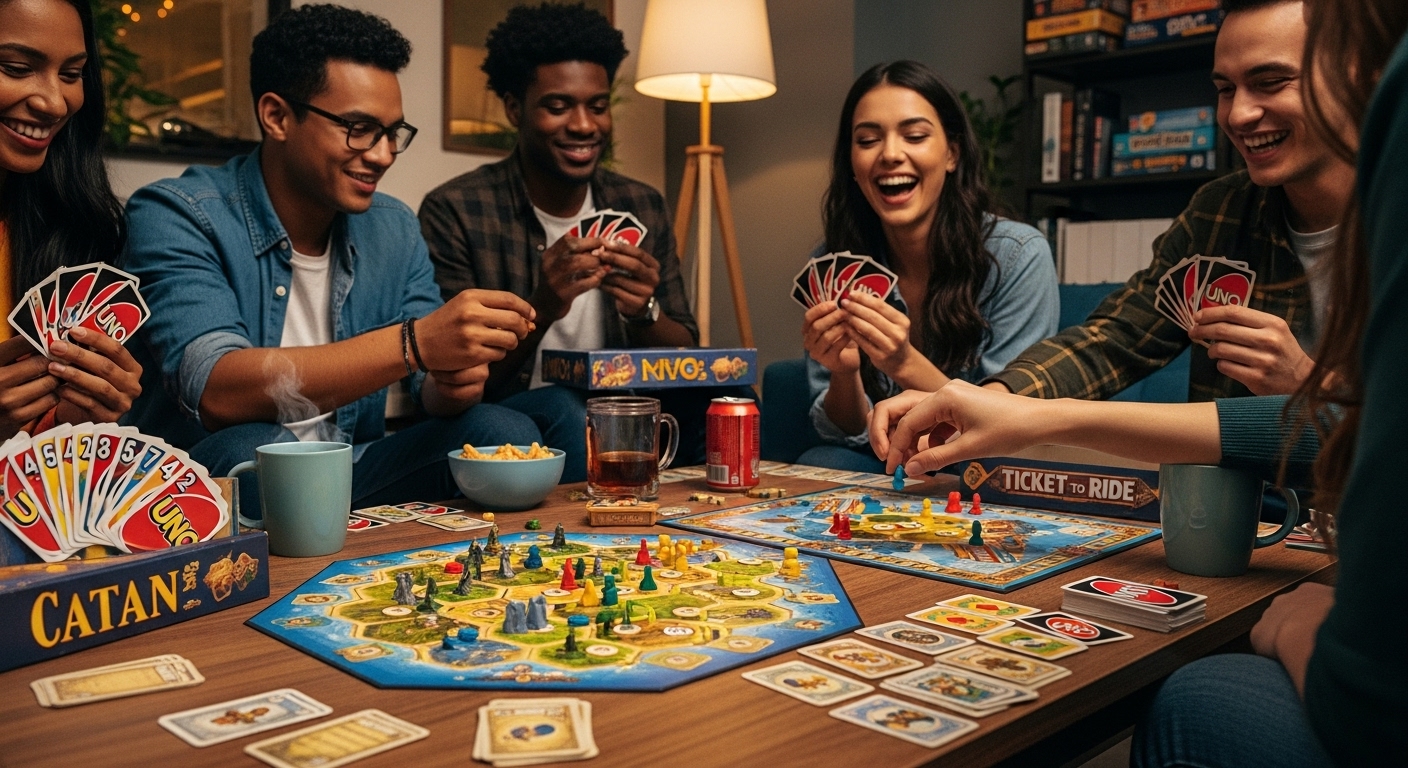
Games also foster social connection. In traditional games like Monopoly or Scrabble, players gathered around a table to enjoy each other’s company. Today, games like Fortnite or League of Legends have made it possible for friends and strangers alike to come together, often from opposite sides of the world, to play in real time. Multiplayer games allow individuals to form teams, communicate, and strategize together, creating a sense of community that goes beyond the game itself.
The Impact of Gaming on Society: Cultural Influence and Controversy
As the gaming industry has grown, its influence on popular culture has become undeniable. Video games have become a multi-billion-dollar industry, with blockbuster titles like Grand Theft Auto, Call of Duty, and The Legend of Zelda becoming cultural touchstones. Gaming has expanded beyond the console, with online communities, fan art, conventions, and even movies based on popular games.
Yet, as gaming has become more mainstream, it has also sparked controversy. Concerns over violence in video games, the effects of gaming addiction, and issues related to representation in gaming have been widely discussed. Some critics argue that violent games contribute to aggressive behavior in real life, while others claim that gaming addiction can lead to social isolation and mental health problems.
Despite these concerns, there is also evidence suggesting that gaming has positive effects on society. Research has shown that gaming can improve cognitive skills, such as problem-solving, hand-eye coordination, and multitasking. Games like Minecraft and The Sims encourage creativity and planning, while puzzle games like Tetris help improve spatial reasoning.
Moreover, games have become an outlet for storytelling, with titles like The Last of Us and Red Dead Redemption 2 offering rich narratives and emotional depth. Many modern video games are recognized as art forms, praised for their ability to convey complex themes, provoke thought, and challenge players’ perspectives on real-world issues.
The Rise of Online Gaming and Mobile Games
The past decade has seen a massive shift in how people access and play games. With the proliferation of smartphones and tablets, mobile gaming has become a dominant force. Games like Angry Birds, Pokémon Go, and Clash Royale have brought gaming to a much broader audience, including casual players who may never have considered traditional video games. Mobile gaming offers instant access to entertainment on the go, and the development of free-to-play models has made games accessible to people who don’t want to invest in expensive consoles or PCs.
In addition to mobile games, online multiplayer games have transformed gaming into a global, always-connected experience. Titles like World of Warcraft, League of Legends, and Fortnite have turned gaming into a social activity. Players form clans, create content, and build communities, all while competing or cooperating in virtual worlds. The rise of streaming platforms like Twitch and YouTube Gaming has further popularized gaming, allowing players to watch others play and interact in real time.
Esports, or competitive gaming, has also seen exponential growth. Professional gamers now compete in major tournaments with prize pools worth millions of dollars. Games like Dota 2, Overwatch, and Counter-Strike: Global Offensive have turned gaming into a spectator sport, with large audiences watching live events both in person and online.
The Future of Gaming: Virtual Reality and Beyond
As technology continues to evolve, so too does the gaming experience. One of the most exciting developments on the horizon is Virtual Reality (VR). VR gaming has the potential to immerse players in fully interactive 3D environments, making them feel like they are inside the game world. Headsets like the Oculus Rift, PlayStation VR, and HTC Vive have already made strides in this direction, offering players an unprecedented level of immersion. Games like Beat Saber and Half-Life: Alyx demonstrate the exciting potential of VR, with more titles expected to be developed in the coming years.
Another frontier in gaming is the integration of Augmented Reality (AR). Unlike VR, which creates an entirely digital world, AR overlays digital elements onto the real world. Pokémon Go was one of the first mainstream AR games to capture the public’s imagination, and as AR technology advances, more games that blend the virtual and real worlds are expected to emerge.
Additionally, advancements in artificial intelligence (AI) are opening up new possibilities for non-player characters (NPCs) in games. AI-driven characters can adapt to a player’s actions and provide more dynamic, responsive gameplay. This can create more realistic and unpredictable gaming experiences, making games feel more alive and immersive.
Conclusion: The Everlasting Magic of Games
Games, whether digital or traditional, have a timeless ability to engage, entertain, and connect people. From the early days of board games to the expansive digital worlds of today, gaming has evolved into a multifaceted and integral part of our cultural landscape. The psychology behind why we play—seeking rewards, social connections, and a sense of control—explains much of their enduring appeal.
As gaming technology continues to evolve, the future promises even more exciting experiences. Virtual and augmented reality, AI-driven gameplay, and immersive online communities are all set to push the boundaries of what games can offer. Regardless of how games evolve, one thing is certain: the love of play is timeless. Whether it’s through competitive esports, casual mobile games, or immersive single-player experiences, games will continue to captivate players for generations to come.