Introduction: The Rise of Gaming
Video games have evolved from a niche hobby into a global entertainment powerhouse. Once considered a pastime for children or teenagers, gaming today appeals to people of all ages, backgrounds, and professions. With technological advancements, creative storytelling, and immersive graphics, video games have redefined the boundaries of entertainment. Gaming is no longer just about playing; it is about community, competition, creativity, and culture. This blog explores the evolution of gaming, its cultural and social impact, technological innovations, and the future of the industry.
The Origins of Video Games
The history of gaming dates back to the 1950s and 1960s when experimental computer programs allowed users to play simple games like tic-tac-toe and basic simulations. The 1970s saw the emergence of arcade games, with classics such as Pong and Space Invaders capturing public attention.
The 1980s and 1990s marked the golden age of home consoles, with Nintendo, Sega, and Sony introducing systems that brought gaming into households. Iconic titles like Super Mario, The Legend of Zelda, and Sonic the Hedgehog laid the foundation for narrative-driven, interactive entertainment. These early games demonstrated the potential of gaming as a medium for storytelling, problem-solving, and fun.
Game Genres and Their Evolution
The diversity of video game genres is a key factor in its universal appeal. Each genre offers unique gameplay experiences, challenges, and community engagement.
Action and Adventure Games: These games emphasize fast-paced gameplay, exploration, and problem-solving. Titles like Tomb Raider and Assassin’s Creed combine engaging storylines with dynamic gameplay, keeping players invested in the narrative.
Role-Playing Games (RPGs): RPGs like Final Fantasy and The Witcher series allow players to immerse themselves in fictional worlds, develop characters, and make choices that impact the storyline. These games focus on strategy, customization, and deep storytelling.
Sports and Racing Games: Games like FIFA, NBA 2K, and Forza Horizon simulate real-world sports and racing experiences. They appeal to both casual and competitive players and often feature multiplayer modes that encourage social interaction.
Simulation and Strategy Games: Games like The Sims, Civilization, and SimCity challenge players to manage resources, build communities, and develop strategies. These games engage critical thinking and long-term planning skills.
First-Person Shooters (FPS) and Battle Royale: Games such as Call of Duty, Counter-Strike, and Fortnite focus on fast reflexes, teamwork, and competitive play. The rise of esports has made FPS and battle royale games some of the most popular genres globally.
Puzzle and Casual Games: Simple yet addictive games like Candy Crush and Tetris appeal to a broad audience, offering accessible entertainment for short play sessions.
The Cultural Impact of Gaming
Gaming is not just a form of entertainment; it has become a cultural phenomenon. Gamers often form communities that share strategies, fan art, stories, and competitive achievements. Social media, forums, and streaming platforms like Twitch allow players to connect globally, creating a sense of belonging and shared experience.
Gaming has influenced music, fashion, and film, with popular game franchises inspiring movies, merchandise, and conventions. The rise of cosplay, where fans dress as their favorite characters, demonstrates how deeply gaming has permeated culture. Gaming events, such as E3 and Gamescom, attract thousands of attendees, showcasing how games have become mainstream entertainment on par with movies and television.
Technological Innovations in Gaming
Technology has been the driving force behind the growth of gaming. Graphics engines, high-definition displays, and advanced sound design have created immersive experiences that rival cinematic storytelling.
Virtual reality (VR) and augmented reality (AR) have taken gaming to new levels, allowing players to physically interact with virtual environments. Games like Beat Saber and Pokémon Go have shown how immersive technology can create novel experiences that blur the line between reality and the virtual world.
Artificial intelligence (AI) enhances gameplay by creating intelligent non-player characters, adaptive difficulty, and dynamic worlds. Cloud gaming services allow players to stream games without the need for expensive hardware, making high-quality gaming accessible to more people worldwide.
Multiplayer Gaming and Community Building
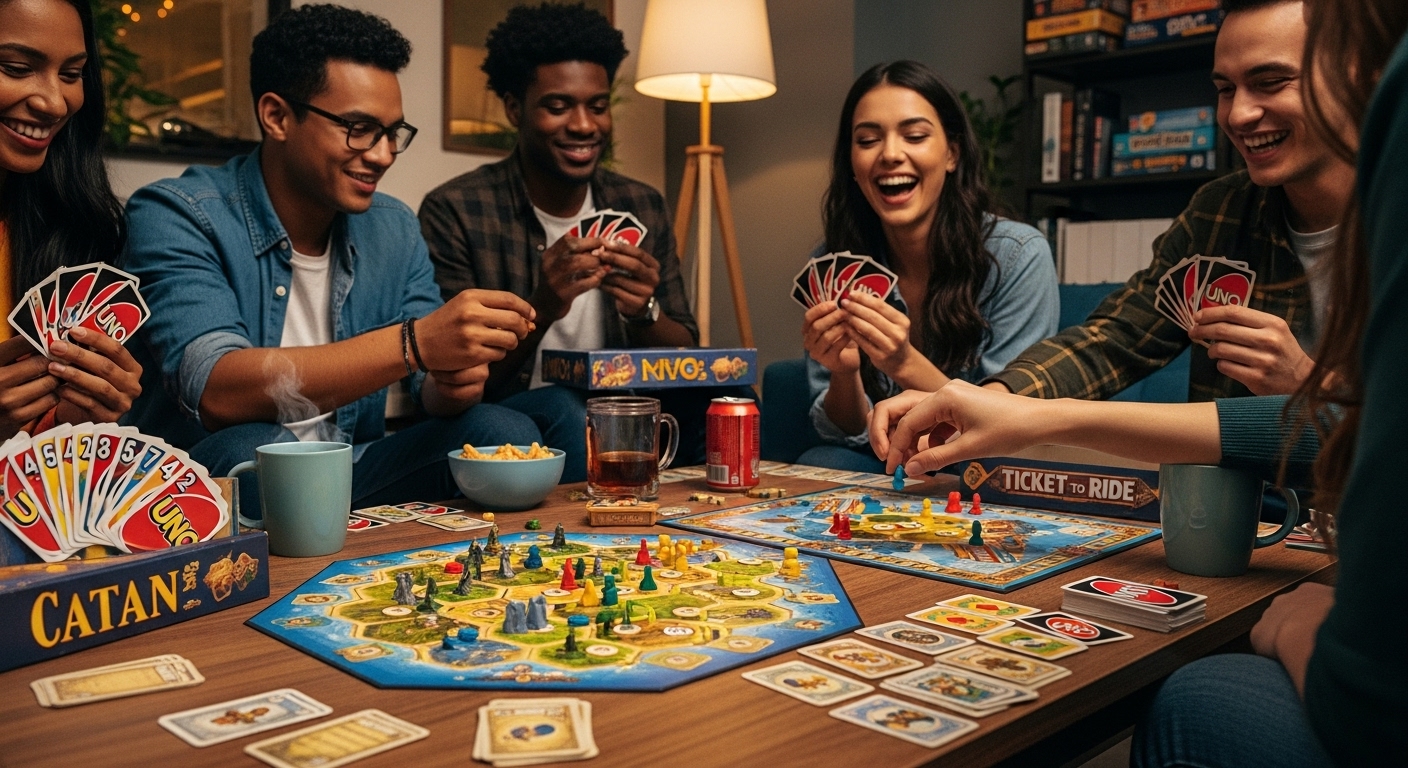
Multiplayer games have transformed gaming into a social activity. Online games like World of Warcraft, League of Legends, and Fortnite allow players to collaborate, compete, and communicate in real-time. Multiplayer gaming fosters teamwork, strategy, and social interaction, often resulting in long-lasting friendships and global communities.
Gaming communities also provide a platform for content creation. Streamers, YouTubers, and influencers share gameplay, tutorials, and entertainment, turning gaming into a spectator sport. Competitive gaming, or esports, has created professional opportunities for players, coaches, commentators, and event organizers, further legitimizing gaming as a cultural and economic force.
Educational and Cognitive Benefits of Gaming
While gaming is often criticized for promoting inactivity, studies have shown that it can enhance cognitive skills, problem-solving abilities, and creativity. Strategy games improve critical thinking and planning, while puzzle games enhance memory and attention to detail. Multiplayer games encourage communication, leadership, and teamwork.
Educational games are increasingly used in schools and learning programs to make subjects like math, science, and history more engaging. Gamification, the application of game mechanics in non-game contexts, demonstrates how gaming principles can motivate and educate effectively.
Challenges and Criticisms
Despite its popularity, gaming faces challenges and criticisms. Concerns include addiction, excessive screen time, exposure to violent content, and the impact on mental health. Responsible gaming practices, such as time management tools, parental controls, and awareness programs, are being implemented to address these issues.
Monetization strategies, like microtransactions and loot boxes, have also faced scrutiny for ethical concerns. Balancing player experience with revenue generation remains an ongoing challenge for the industry.
The Future of Gaming
The future of gaming is full of possibilities. Cloud gaming, VR, AR, and AI-driven experiences will continue to redefine how players engage with games. Cross-platform gaming will allow players on different devices to interact seamlessly, creating larger, more connected communities.
Procedurally generated content and AI-driven narratives may make each player’s experience unique, increasing replayability and personalization. Gaming will continue to influence culture, education, and social interaction, expanding beyond entertainment into lifestyle and professional domains.
The rise of esports and competitive gaming will also grow, attracting more investment, sponsorships, and global audiences. Gaming is no longer just a hobby—it is an industry shaping technology, culture, and social interaction worldwide.
Conclusion: Gaming as a Global Phenomenon
Video games have evolved from simple pastimes into a global cultural and economic force. They influence entertainment, technology, social interaction, and education, offering experiences that are immersive, competitive, and deeply personal. Gaming fosters creativity, cognitive growth, teamwork, and community, demonstrating its value beyond mere entertainment.
As technology advances, gaming will continue to evolve, offering new possibilities for engagement, interaction, and storytelling. From casual mobile games to professional esports competitions, gaming is shaping the way people connect, learn, and play. It has become an essential part of modern culture, proving that interactive entertainment is not just a pastime—it is a transformative force in society.