Introduction: The Timeless Appeal of Games
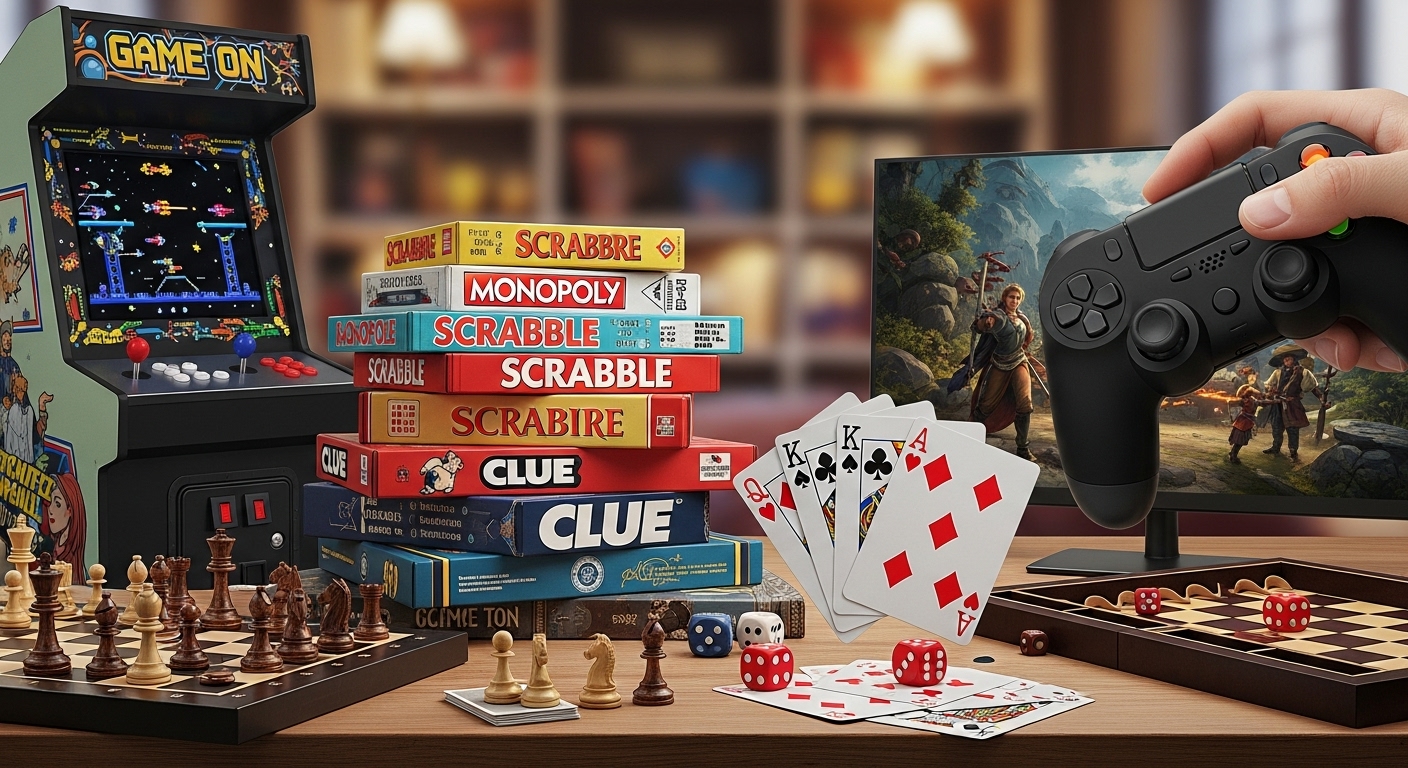
Games have been a central part of human culture for centuries. From simple board games played around a table to complex digital adventures that span entire worlds, games serve as a source of entertainment, creativity, and learning. They offer a unique way to engage the mind, socialize with others, and experience challenges in a controlled environment.
In the modern era, games are no longer just a pastime; they are a global phenomenon. They influence technology, culture, and even education, and their appeal spans all ages and demographics. The world of games is constantly evolving, blending tradition with innovation to create experiences that are immersive, interactive, and socially meaningful.
The Historical Roots of Games
The origins of games trace back thousands of years. Ancient civilizations created games as a form of socialization, competition, and education. Board games like chess, Go, and backgammon were designed to develop strategic thinking and foster social bonds. Traditional games also reflected cultural values and served as a way to teach moral lessons or practical skills.
Physical games, such as wrestling, running competitions, and ball games, have been part of human culture since prehistoric times. These activities promoted teamwork, coordination, and physical fitness. Over time, games evolved alongside societies, adapting to cultural changes and technological innovations, laying the foundation for the diverse gaming experiences we enjoy today.
The Evolution of Digital Games
The digital age transformed the concept of gaming entirely. Early arcade games and home consoles introduced a new level of interactivity and engagement. Games like Pong, Space Invaders, and Pac-Man captivated audiences with their simplicity and accessibility, creating a generation of digital players.
As technology advanced, games became more complex, incorporating storytelling, graphics, and artificial intelligence. Today, digital games offer immersive experiences that rival movies in narrative depth and visual spectacle. Players can explore expansive open worlds, solve intricate puzzles, engage in competitive multiplayer matches, or create their own virtual environments. The evolution of digital games has also made gaming a significant part of global entertainment culture.
Types of Games and Their Appeal
Games come in a wide range of genres, each offering unique experiences and appealing to different types of players.
Action and Adventure Games
Action and adventure games focus on fast-paced gameplay, exploration, and challenges that test both reflexes and strategy. Players embark on heroic quests, solve puzzles, and navigate complex environments. These games appeal to those who enjoy excitement, problem-solving, and immersive narratives.
Role-Playing Games
Role-playing games (RPGs) allow players to take on the roles of characters in richly designed worlds. Players make choices, develop skills, and influence story outcomes. RPGs are celebrated for their depth, storytelling, and ability to provide players with agency and emotional engagement.
Strategy and Simulation Games
Strategy and simulation games challenge players to think critically, plan ahead, and manage resources effectively. Whether commanding armies, building cities, or running businesses, these games develop problem-solving skills, patience, and long-term thinking.
Sports and Racing Games
Sports and racing games replicate real-world competitions, offering players the thrill of athletic challenges and fast-paced action. They combine skill, strategy, and quick reflexes, allowing players to compete virtually while experiencing the excitement of real sports.
Puzzle and Casual Games
Puzzle and casual games are designed for mental stimulation and accessible fun. They engage players in problem-solving, critical thinking, and creativity, often providing short bursts of entertainment suitable for players of all ages.
Party and Social Games
Party and social games emphasize interaction and fun in group settings. They encourage teamwork, friendly competition, and laughter, making them ideal for gatherings or online social play.
The Social Impact of Games
Games have a profound social dimension. Online multiplayer games connect millions of players worldwide, creating communities that transcend geography and culture. Cooperative games teach teamwork, communication, and strategic collaboration, while competitive games encourage resilience, focus, and decision-making under pressure.
Gaming also fosters friendships and bonds. Players often form long-lasting connections through shared experiences in digital or physical game spaces. These communities can become supportive networks where players share tips, celebrate achievements, and collaborate on creative projects.
Games and Education: Learning Through Play
Games are powerful educational tools. They make learning engaging by blending entertainment with knowledge. Educational games introduce concepts interactively, helping learners retain information more effectively than traditional methods.
Even games not explicitly designed for education can develop valuable skills. Strategy games enhance critical thinking, RPGs encourage empathy and problem-solving, and simulations teach real-world concepts such as economics, physics, or resource management. Gamification—integrating game elements into learning environments—has become an effective strategy to boost engagement, motivation, and knowledge retention.
Psychological Benefits of Gaming
When played in moderation, games offer numerous psychological benefits. They provide stress relief, allowing players to immerse themselves in challenges, stories, or creative tasks. Games that require strategy or problem-solving enhance cognitive function, improving memory, attention, and analytical skills.
Games also foster emotional resilience. Achieving in-game goals provides a sense of accomplishment and builds confidence. Story-driven games allow players to experience diverse perspectives and emotions, promoting empathy and emotional intelligence. Additionally, social gaming offers opportunities for positive social interaction and collaboration, enhancing overall mental well-being.
The Economic Impact of the Gaming Industry
The gaming industry is one of the most lucrative sectors in global entertainment. It encompasses game development, publishing, streaming, competitive esports, and merchandise. Millions of professionals contribute to creating games, from programmers and artists to writers, sound engineers, and marketers.
Beyond direct revenue, the gaming industry drives technological innovation. Advances in graphics, artificial intelligence, virtual reality, and cloud computing often emerge from gaming demands. Esports and live streaming have created new career paths and entertainment formats, highlighting gaming’s influence on both culture and economy.
Gaming Culture and Community
Gaming culture is vibrant, diverse, and creative. Communities form around specific games, genres, or even individual players. Fans engage in creating art, fan fiction, videos, cosplay, and discussion forums, celebrating their favorite games and contributing to a shared cultural identity.
Esports has become a major facet of gaming culture, elevating professional players to celebrity status and attracting global audiences. Major tournaments draw millions of viewers, blending competition, storytelling, and entertainment into live events. Gaming culture also influences fashion, music, media, and digital communication, making it a cornerstone of contemporary culture.
Challenges in the Gaming World
Despite its benefits, gaming faces challenges. Excessive gaming can contribute to health issues, social isolation, or poor time management. Online communities may experience toxicity, harassment, or exclusion, requiring careful moderation and safe spaces.
Accessibility remains a critical challenge. Not all players have equal access to gaming due to financial, technological, or physical limitations. Ensuring inclusivity is essential for the continued growth and positive impact of gaming. Developers and communities are actively working to address these issues through adaptive technologies, ethical game design, and supportive online platforms.
The Future of Games
The future of gaming is filled with possibilities. Virtual reality, augmented reality, and artificial intelligence will create immersive and adaptive experiences that respond to individual players. Games will become increasingly personalized, interactive, and emotionally engaging.
Cross-platform gaming and cloud-based services will allow players to connect seamlessly across devices and regions. Games will continue to influence storytelling, education, and social interaction, blurring the lines between entertainment, creativity, and learning. As technology advances, gaming will remain at the forefront of cultural, social, and technological innovation.
Conclusion: Games as a Force for Imagination and Connection
Games are more than entertainment; they are tools for creativity, socialization, education, and personal growth. From ancient board games to modern digital adventures, games reflect human curiosity, imagination, and the desire to connect.
They challenge minds, inspire collaboration, and offer joy in ways that other forms of media cannot. As technology evolves and gaming communities grow, games will continue to shape culture, education, and social interaction worldwide. Gaming is a dynamic, transformative force that celebrates human ingenuity and fosters connection, ensuring its place at the heart of modern life for generations to come.