Introduction
The world of gaming has come a long way since the early days of Pong and Space Invaders. From simple 8-bit graphics and limited gameplay mechanics to vast, open-world environments and highly detailed virtual experiences, games have evolved into a multi-billion-dollar industry that captivates millions of players worldwide. What began as a niche hobby has grown into a global cultural force, shaping how people interact with technology, entertainment, and even each other. This blog post will explore the journey of gaming, from its humble beginnings to its current status as a cultural and technological powerhouse, as well as its impact on society and the future that lies ahead.
The Origins of Gaming: A Humble Start
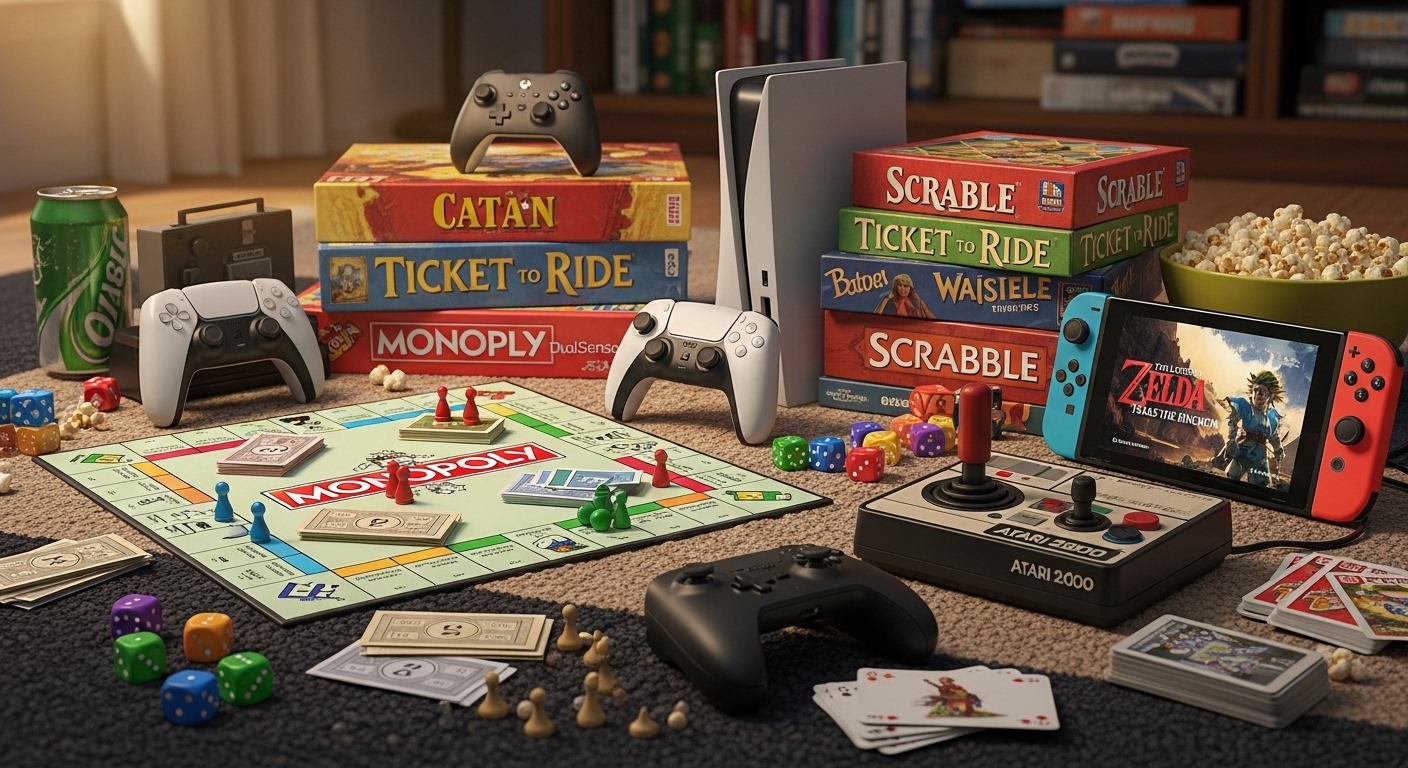
The history of gaming dates back thousands of years, although the term “video games” as we know them today only began to take shape in the mid-20th century. Early examples of games can be traced back to ancient civilizations, where people played board games and strategy games such as Chess, Go, and Mancala. These games not only provided entertainment but also served as tools for education, social interaction, and intellectual stimulation.
The 20th century, however, marked the birth of modern gaming. In 1958, William Higinbotham, an American physicist, created the first video game, “Tennis for Two,” as a demonstration of the capabilities of an oscilloscope. This marked the beginning of interactive entertainment on a screen. The 1970s saw the emergence of arcade games like Pong, developed by Atari, and Space Invaders, developed by Taito. These early games had simple graphics and gameplay mechanics but proved to be incredibly popular, setting the stage for the gaming boom of the following decades.
The Golden Age of Arcade Games
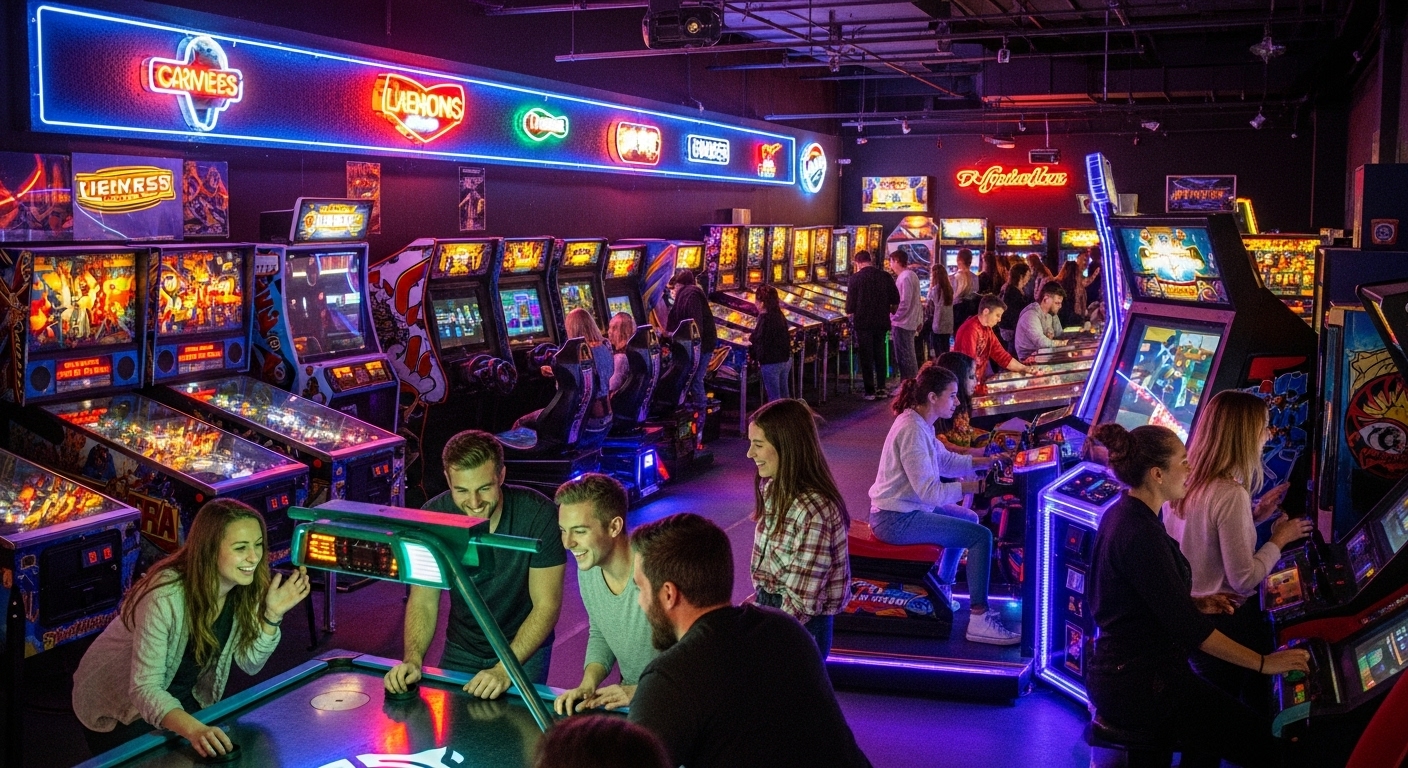
In the 1980s, arcade gaming reached its peak. Classic games like Pac-Man, Donkey Kong, and Galaga became cultural phenomena and established video games as a mainstream form of entertainment. The rise of the home console, particularly the Nintendo Entertainment System (NES) in the mid-1980s, brought gaming into people’s homes, allowing them to enjoy their favorite games on their own TVs.
This era also saw the birth of iconic gaming franchises that are still thriving today, such as Super Mario, The Legend of Zelda, and Metroid. These games introduced players to new forms of gameplay, from side-scrolling platformers to action-adventure titles, and helped establish the foundation for modern game design.
The Rise of 3D Gaming and the Internet Age
The 1990s marked a pivotal shift in the gaming industry with the introduction of 3D graphics and the advent of online gaming. Consoles like the Sony PlayStation and the Nintendo 64 brought immersive, three-dimensional worlds to life, transforming how players interacted with games. Titles like Super Mario 64, GoldenEye 007, and The Legend of Zelda: Ocarina of Time set new standards for game design, combining innovative gameplay with stunning visuals and complex storytelling.
The internet revolution also had a profound impact on gaming during this time. The early days of online multiplayer games, such as Doom and Quake, allowed players to connect over local area networks (LAN) and play against each other in real-time. This laid the groundwork for the massive online multiplayer experiences that would follow.
In the late 1990s and early 2000s, games like World of Warcraft, Counter-Strike, and StarCraft popularized online multiplayer gaming and ushered in the era of esports. The ability to play against people from all around the world in real time was a game-changer, both literally and figuratively. Multiplayer gaming became a social experience, connecting players through shared interests and competition.
The Evolution of Gameplay: From Casual to Hardcore
As technology advanced, so did the complexity of games. The 2000s saw the rise of more sophisticated and expansive gaming experiences. Open-world games, such as Grand Theft Auto III, The Elder Scrolls V: Skyrim, and Red Dead Redemption, allowed players to explore vast, immersive environments with a level of freedom previously unseen in gaming. These games blurred the lines between gameplay and storytelling, offering players the ability to create their own narratives within a virtual world.
The rise of the “hardcore” gaming culture also occurred during this period. With the success of games like Halo, Call of Duty, and World of Warcraft, the gaming community began to shift from casual entertainment to a more competitive and dedicated form of play. Esports tournaments, such as the League of Legends World Championship and The International for Dota 2, became global events, drawing millions of viewers and offering millions of dollars in prize money.
At the same time, casual gaming also grew in popularity. The introduction of social games on platforms like Facebook and mobile devices opened the door to a new demographic of players. Games like FarmVille, Candy Crush Saga, and Angry Birds reached audiences who had never before considered themselves gamers. This helped expand the gaming market and made it more inclusive, appealing to a wider range of people across age groups, genders, and backgrounds.
The Rise of Mobile Gaming
The biggest revolution in recent years has been the rise of mobile gaming. With the advent of smartphones and tablets, games became more accessible than ever. Titles like Pokémon Go, Clash of Clans, and Fortnite introduced millions of new players to gaming, further cementing its place as a mainstream form of entertainment.
Mobile games offer convenience and portability, allowing players to enjoy their favorite titles anytime, anywhere. The simplicity and ease of access to these games have made them especially popular with casual gamers, but mobile gaming also supports more complex and immersive experiences. Games like Monument Valley, PUBG Mobile, and Genshin Impact showcase the increasing depth and sophistication of mobile gaming, as developers continue to push the boundaries of what can be achieved on small screens.
The Role of Virtual Reality and Augmented Reality
As gaming technology continues to evolve, virtual reality (VR) and augmented reality (AR) are paving the way for the next generation of gaming experiences. VR gaming immerses players in fully interactive, three-dimensional environments, providing an unprecedented level of realism and engagement. With VR headsets like the Oculus Rift and HTC Vive, players can step into their favorite virtual worlds and interact with them in ways that were previously unimaginable.
Augmented reality, as seen in games like Pokémon Go, blends the real world with the virtual world, allowing players to interact with digital objects and characters that appear to exist in the real environment. AR games have the potential to change how people experience both gaming and the world around them, offering new ways to explore, learn, and play.
While VR and AR gaming are still in their infancy, they represent the future of the industry, with companies and developers investing heavily in these technologies. As the hardware improves and becomes more affordable, VR and AR will likely become more mainstream, offering players completely new ways to experience gaming.
The Social Side of Gaming
Gaming is no longer a solitary activity. With the rise of online multiplayer games, social platforms, and streaming services, gaming has become a communal experience. Players from all over the world can now connect and share their love of games, whether through online matches, live streams, or social media.
Platforms like Twitch, YouTube Gaming, and Discord have allowed gamers to create communities, share content, and connect with like-minded individuals. The success of esports tournaments, where top players compete for massive prize pools, has further solidified gaming as a global social phenomenon. Watching others play has become almost as popular as playing the games themselves, with millions of viewers tuning in to watch their favorite streamers and esports teams.
The Future of Gaming: What’s Next?
The gaming industry continues to grow at a rapid pace, and the future holds even more exciting possibilities. Cloud gaming, where players can stream games directly to their devices without the need for powerful hardware, is expected to become a major player in the coming years. Services like Google Stadia and Microsoft’s Project xCloud aim to make high-quality gaming more accessible, allowing players to enjoy the latest titles on a wide range of devices.
The continued development of AI and machine learning will make games smarter and more responsive. NPCs (non-player characters) will be able to react dynamically to player choices, creating more immersive and unpredictable gameplay experiences. AI will also help developers create more complex and engaging storylines, allowing for deeper narratives and more realistic character interactions.
Finally, the increasing focus on inclusivity and diversity in gaming will continue to shape the industry. Games that represent a wide range of cultures, backgrounds, and identities are gaining prominence, and this trend is likely to continue as the gaming community becomes even more diverse.
Conclusion
From its early beginnings to the vast, immersive worlds of today, gaming has come a long way. What was once a hobby for a select few has become a global cultural phenomenon, influencing everything from entertainment and technology to social interaction and education. The industry shows no signs of slowing down, with new technologies like VR, AR, and cloud gaming paving the way for the next generation of gaming experiences.
As gaming continues to evolve, it will undoubtedly continue to captivate, challenge, and inspire players around the world. Whether through a simple mobile puzzle game or an expansive open-world adventure, gaming offers a unique form of entertainment that is constantly pushing the boundaries of what is possible. The future of gaming is bright, and we can only imagine the exciting developments that lie ahead