Introduction
Games have been a part of human culture for as long as societies have existed. From ancient board games carved into stone to the expansive digital worlds we explore today, play has evolved into a universal language that transcends age, culture, and technology. Yet what makes games so captivating is not just their entertainment value but the way they influence thinking, creativity, and the way we interpret reality. Games are more than distractions; they are engines of imagination, problem-solving, and emotional connection. In this blog post, we will explore the incredible depth of games, why they matter, and how they continue to redefine the boundaries of human experience.
The Evolution of Games Across Time
Long before modern technology, people gathered around simple objects to create competition and strategy. Games like Senet, Go, and Mancala taught early civilizations about planning and foresight. These games may now be thousands of years old, but their mechanics still influence modern design principles.
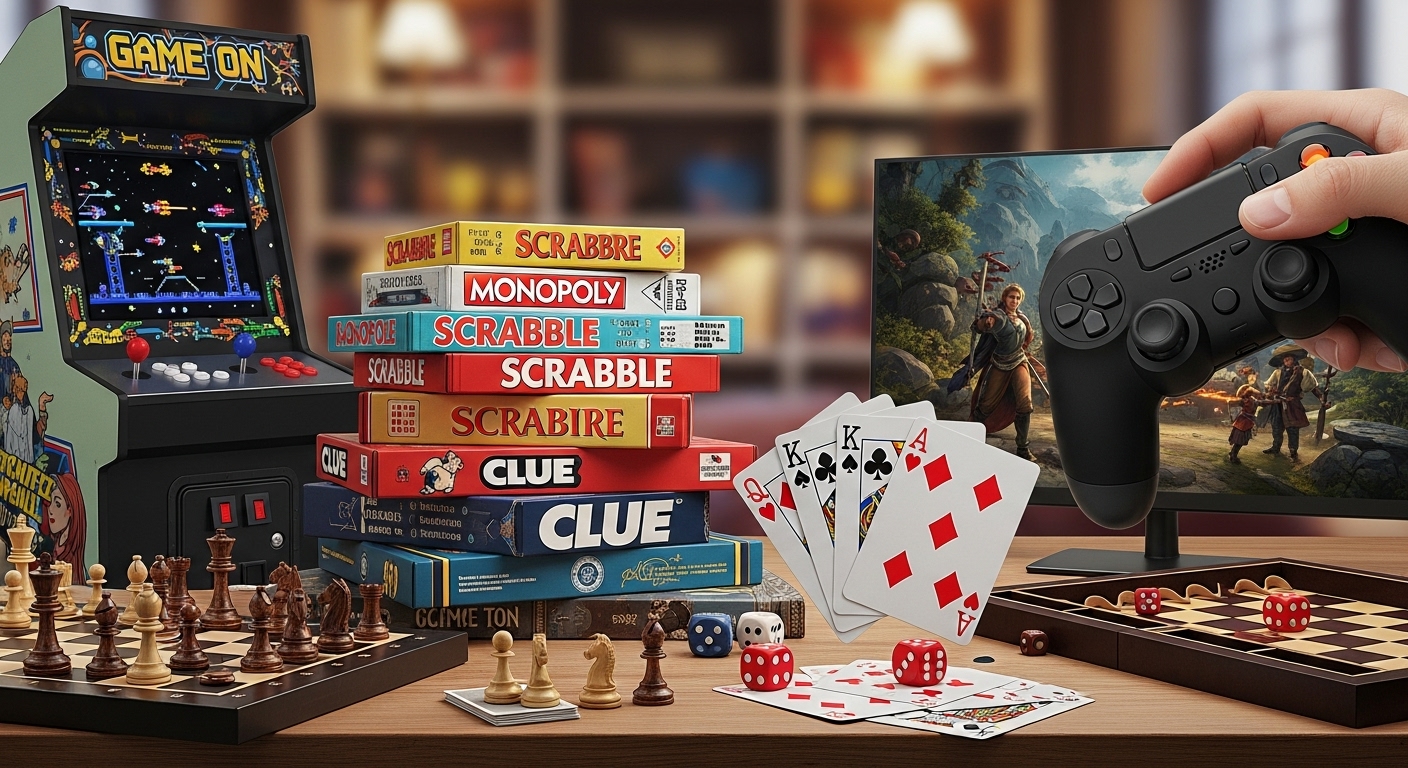
As society progressed, so did play. Sports introduced physical skill and teamwork. Card games added an element of chance. With the invention of computers, the world of gaming transformed completely. What once required only a board and a handful of pieces evolved into virtual landscapes that could be altered, expanded, and personalized. Every technological leap introduced new forms of storytelling and interaction, shaping the games we now consider classics in our digital era.
Why Games Matter More Than Ever
Games are often seen merely as entertainment, but their impact stretches far beyond fun. They improve cognitive flexibility, strengthen decision-making, and encourage players to explore possibilities rather than settle for the first solution. Whether someone is solving puzzles in a strategy title or cooperating with others in an online world, games challenge the mind in dynamic ways traditional tasks rarely do.
Another reason games matter is their ability to create emotional resonance. Many players remember the first game that made them laugh, cry, or feel inspired. Interactive storytelling allows players to influence events rather than simply observe them, creating a personal connection to the narrative. This emotional engagement elevates games into an art form, capable of expressing themes just as powerfully as books or films.
Different Types of Games and Their Unique Appeal
One of the reasons games remain so popular is that there is truly something for everyone. Each genre invites players into a distinctive experience.
Strategy Games
Strategy titles reward planning, patience, and adaptability. They push players to think multiple steps ahead and consider the consequences of every move. The sense of achievement that comes from crafting a winning plan is unmatched in many other game types.
Adventure Games
Adventure games focus on storytelling, exploration, and discovery. They often feature richly designed worlds and characters, allowing players to immerse themselves deeply in the narrative. These games encourage curiosity and give players a sense of being part of something larger than themselves.
Role-Playing Games
Role-playing games give players the freedom to shape their own identities within a fictional world. These games emphasize customization, character development, and moral decision-making. The choices players make can alter the story’s direction, making every playthrough unique and personal.
Action Games
Action titles test reflexes, timing, and precision. They offer fast-paced gameplay and instant feedback, providing an adrenaline-charged experience. These games are especially loved by players who enjoy mastering mechanics and improving their skills over time.
Simulation Games
Simulation games recreate real-world activities, from farming and cooking to running cities or piloting aircraft. They offer a relaxing escape for some and a creative outlet for others. Their strength lies in their ability to let players experiment with systems that mimic reality closely.
How Games Foster Creativity
Creativity thrives when people are free to experiment, fail, and try again without consequence. Games provide exactly that environment. They allow players to test ideas, explore new strategies, and invent their own stories. World-building games in particular encourage imagination by giving players control over landscapes, characters, and rules.
Even games that appear simple on the surface often contain deep layers of creativity beneath. Players design strategies, invent playstyles, and build communities around shared goals. Far from being passive, gaming is one of the most active forms of creativity available in our modern world.
Games as a Social Experience
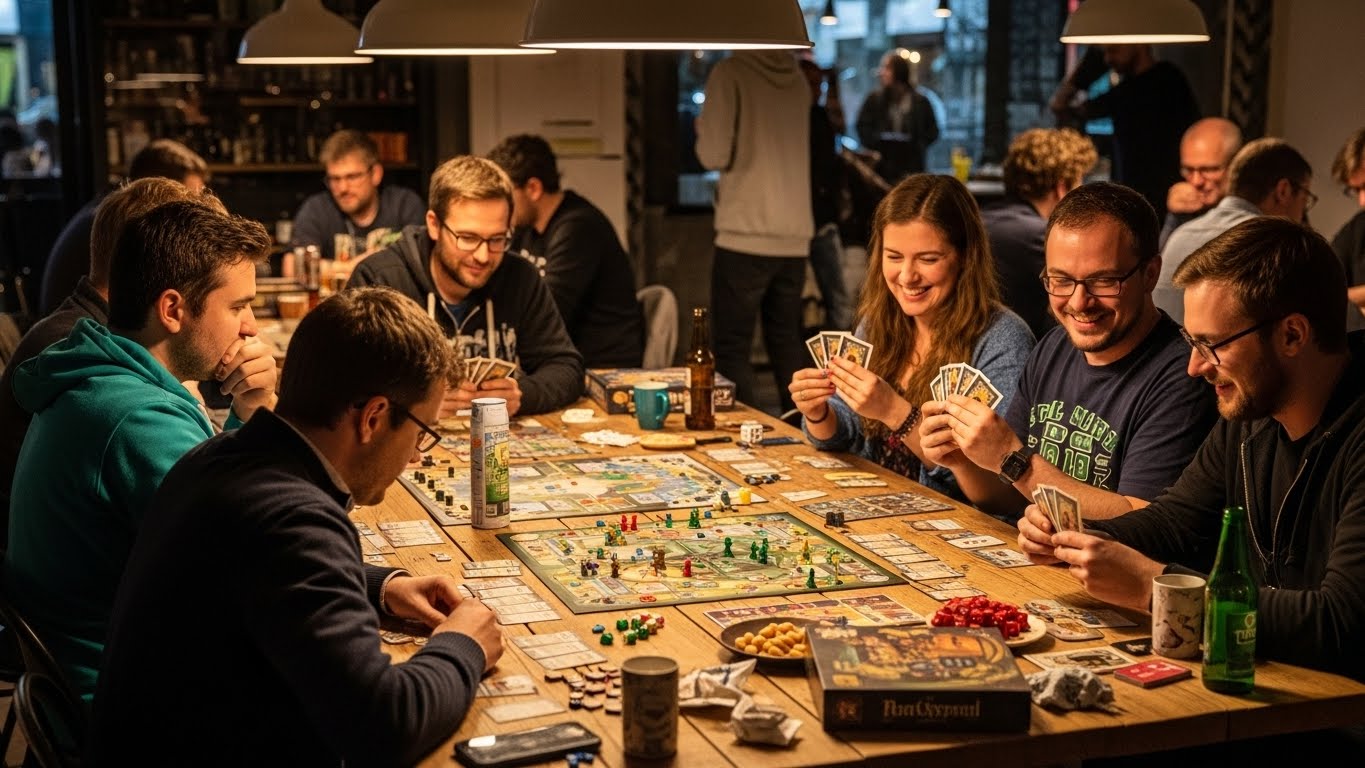
While games can be a personal journey, they are also an incredible tool for bringing people together. Cooperative games teach teamwork and communication as players rely on one another to succeed. Competitive games build sportsmanship and strategic thinking as players push each other to improve.
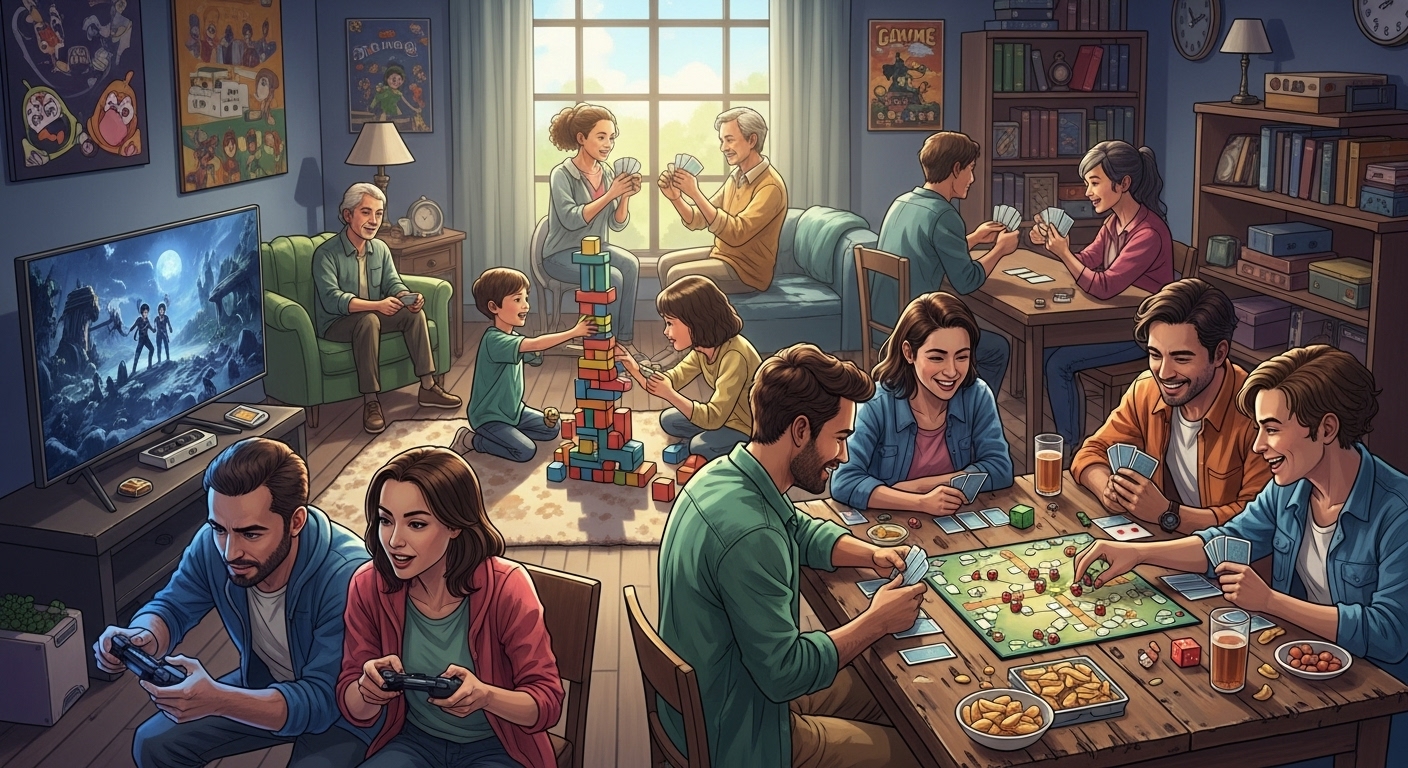
Friends and family often bond over shared gaming experiences. Online communities form around common interests, allowing people from different backgrounds to connect in unique and meaningful ways. In a world where distance can limit interaction, games provide a bridge that keeps people connected.
The Psychological Benefits of Play
Beyond entertainment, games have proven psychological advantages. They act as stress relievers, offering players a break from daily responsibilities. The sense of progression and accomplishment within games helps boost confidence and motivation.
Games can also support emotional well-being. Story-driven titles help players navigate complex feelings while giving them a safe space to reflect. Cooperative games reduce loneliness by fostering communication and teamwork. Even simple puzzle games contribute to mental clarity and relaxation.
How Games Influence Real-World Skills
Many skills learned in games transfer easily to real life. Problem-solving abilities sharpen as players analyze situations and test solutions. Time management improves through quest planning and resource allocation. Communication strengthens through teamwork in multiplayer games.
In educational settings, teachers often use games to make learning more engaging. History, mathematics, and science become more memorable when students experience concepts through interactive play. The rise of serious games, designed specifically for learning or training, proves how powerful this medium can be when used thoughtfully.
The Future of Games
The future of gaming promises even more exciting developments. As technology advances, the boundaries between reality and virtual worlds blur. Artificial intelligence is helping create smarter, more responsive game environments. Virtual and augmented reality offer experiences that feel more immersive than ever before.
Player creativity is also expanding with tools that allow users to design their own worlds, characters, and mechanics. As these tools become more accessible, the line between player and creator continues to fade. The industry is moving toward experiences shaped as much by players as by developers, resulting in endless possibilities.
Why Games Will Always Be Important
Games will always hold a place in human culture because they speak to our desire to explore, create, and connect. They capture our imagination and challenge us to think in new ways. They act as windows into different perspectives and different worlds. As technology evolves, games evolve with it, remaining at the forefront of innovation and creativity.
Conclusion
Games are more than leisure. They are powerful tools of imagination, engines of skill development, and bridges between people. They reflect the desires, challenges, and dreams of those who play them. With every new generation of technology and storytelling, games continue to grow in complexity and beauty.
As long as humans seek adventure, connection, and creativity, games will remain one of the most influential and cherished forms of expression in our lives.