Introduction
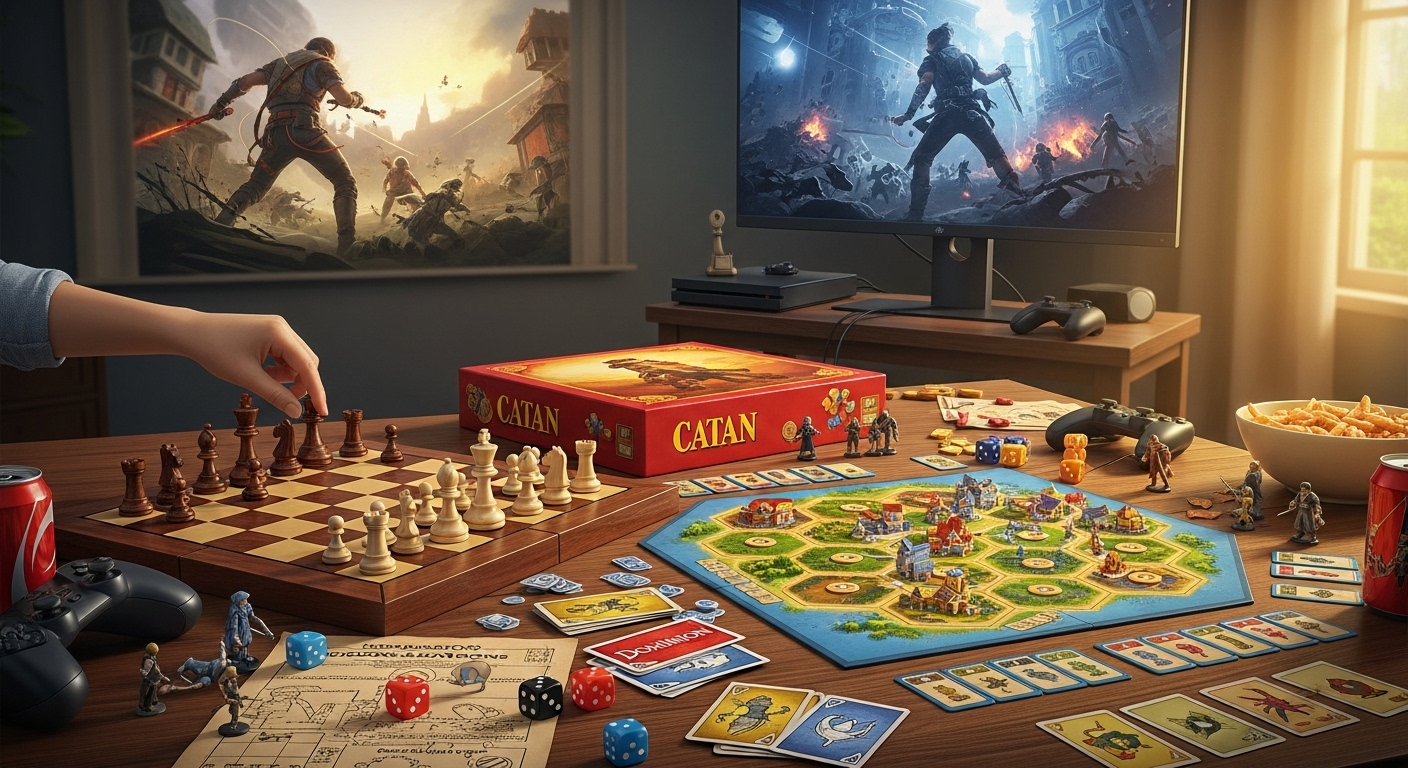
Games have been an integral part of human culture for centuries, evolving from simple pastimes to complex experiences that challenge the mind, test skills, and foster social connections. While often associated with entertainment, games are much more than a source of amusement. They are a medium of storytelling, a platform for learning, and a reflection of human creativity. In the modern era, the world of games has expanded dramatically, encompassing board games, video games, sports, and even virtual reality experiences. This exploration delves into the unique aspects of games, their cultural significance, and the reasons they captivate audiences across generations.
The Evolution of Games
The history of games stretches back thousands of years. Ancient civilizations such as the Egyptians, Greeks, and Chinese created games that combined strategy, skill, and chance. Games like Senet in Egypt and Go in China were more than mere entertainment; they were tools for education, social interaction, and even spiritual development. As societies evolved, so did games. The introduction of modern board games in the 19th century marked a significant shift, making games accessible to a broader audience and introducing themes that reflected contemporary social dynamics.
With the advent of technology in the 20th century, video games emerged, transforming the way people experience play. Early arcade games provided interactive entertainment that was previously unimaginable, and with the rise of home gaming consoles, video games became a staple in households worldwide. Today, the gaming industry is a global phenomenon, encompassing a wide variety of genres, platforms, and styles, each offering unique experiences to players.
The Psychology Behind Gaming
Games appeal to people for psychological reasons that go beyond fun. They provide a sense of achievement, challenge cognitive abilities, and offer opportunities for social interaction. Video games, in particular, engage players through reward systems, levels, and progression mechanics that satisfy the human brain’s craving for accomplishment and growth. Additionally, role-playing games allow players to explore different identities and scenarios, which can enhance empathy, problem-solving skills, and creativity.
Board games and tabletop experiences stimulate critical thinking and strategic planning. They require players to anticipate opponents’ moves, manage resources, and make decisions under uncertainty. These skills are not only enjoyable in the context of a game but are also transferable to real-life situations, making games valuable learning tools.
Unique Genres and Experiences
One of the most fascinating aspects of games is the diversity of genres and experiences they offer. From action-packed adventures to tranquil puzzle-solving, games cater to a wide range of preferences. Action games test reflexes and coordination, while strategy games demand careful planning and foresight. Simulation games allow players to recreate real-world scenarios, providing both entertainment and educational insights.
Adventure and role-playing games immerse players in narrative-driven experiences, often featuring richly developed worlds and characters. These games are akin to interactive novels, where players’ choices influence the story’s outcome. Puzzle and logic games challenge mental acuity, requiring players to think critically and creatively to solve complex problems. The diversity in game genres ensures that there is something for everyone, regardless of age or skill level.
Cultural Significance of Games
Games are more than a pastime; they are a reflection of culture. Traditional games often embody cultural values, historical contexts, and social norms. For example, chess, with its origins in India, mirrors strategic thinking and hierarchical structures, while Japanese Go emphasizes balance, patience, and territorial control. Modern games, too, reflect cultural trends, societal concerns, and artistic expression. Video games can address themes such as morality, identity, and environmental issues, providing players with a unique lens through which to explore complex ideas.
Gaming communities also play a significant role in cultural exchange. Online multiplayer games bring together individuals from different backgrounds, encouraging collaboration, competition, and socialization. These communities foster a sense of belonging and shared purpose, reinforcing the social dimension of gaming and its role in shaping contemporary culture.
The Educational Potential of Games
Beyond entertainment, games possess immense educational potential. Serious games, a category designed with learning objectives in mind, leverage the interactive nature of games to teach skills and knowledge. Educational games can cover subjects ranging from mathematics and science to language learning and history. By combining engagement with instruction, these games enhance retention and motivation compared to traditional teaching methods.
Simulations in gaming provide hands-on learning experiences in controlled environments. Flight simulators, for example, allow aspiring pilots to practice maneuvers safely, while medical simulations train healthcare professionals in procedures without risking patient safety. Even commercial games can have educational benefits, such as improving spatial awareness, strategic thinking, and problem-solving abilities.
The Impact of Technology on Gaming
The rapid advancement of technology has revolutionized the gaming industry. High-definition graphics, realistic physics, and artificial intelligence have elevated the level of immersion in games. Virtual reality and augmented reality have introduced entirely new ways of interacting with digital worlds, blurring the line between reality and simulation. Players can now explore fantastical landscapes, engage in realistic combat scenarios, or collaborate with others in shared virtual spaces, creating experiences that were previously unimaginable.
Mobile gaming has also transformed accessibility, allowing millions of people to enjoy games on smartphones and tablets. This democratization of gaming has led to a surge in casual gaming, appealing to individuals who may not have previously considered themselves gamers. Technology has thus expanded the reach, depth, and impact of gaming across society.
Games as a Social Platform
Games are inherently social, whether played face-to-face or online. Multiplayer experiences foster teamwork, communication, and camaraderie. Social games and online communities create spaces where players can connect, compete, and collaborate regardless of geographical barriers. Esports, competitive gaming at a professional level, has transformed gaming into a spectator sport, creating global communities and even career opportunities for skilled players.
Family and friends also benefit from gaming as a shared activity. Board games and cooperative video games encourage interaction, laughter, and bonding, strengthening relationships. The social aspect of gaming underscores its significance beyond individual enjoyment, highlighting its role in building communities and fostering human connection.
The Future of Gaming
The future of gaming promises continued innovation and expansion. As artificial intelligence, virtual reality, and cloud gaming evolve, the boundaries of interactive entertainment will continue to expand. Games will likely become more immersive, adaptive, and personalized, catering to individual preferences and learning styles. Cross-platform integration will make gaming more seamless, allowing players to engage with their favorite games across devices and environments.
Moreover, games will continue to influence other industries, including education, healthcare, and even urban planning. Gamification—applying game mechanics to non-game contexts—has already shown its potential in enhancing motivation, productivity, and engagement in various sectors. The intersection of gaming, technology, and culture will shape the experiences of future generations, making games an even more integral part of human life.
Conclusion
Games are far more than mere entertainment; they are a powerful medium that combines creativity, psychology, culture, and technology. From ancient board games to cutting-edge virtual reality experiences, games have evolved to captivate, educate, and connect people worldwide. Their ability to challenge the mind, inspire imagination, and foster social interaction underscores their enduring appeal. As technology and culture continue to evolve, games will remain at the forefront of human innovation and expression, offering unique experiences that transcend boundaries and bring people together.
Exploring the world of games reveals not only the creativity and ingenuity of human beings but also the potential of games to shape knowledge, culture, and social interactions. Whether you are a casual player, a competitive gamer, or an educator using games as a teaching tool, the world of games holds endless opportunities for discovery, growth, and enjoyment.