Introduction
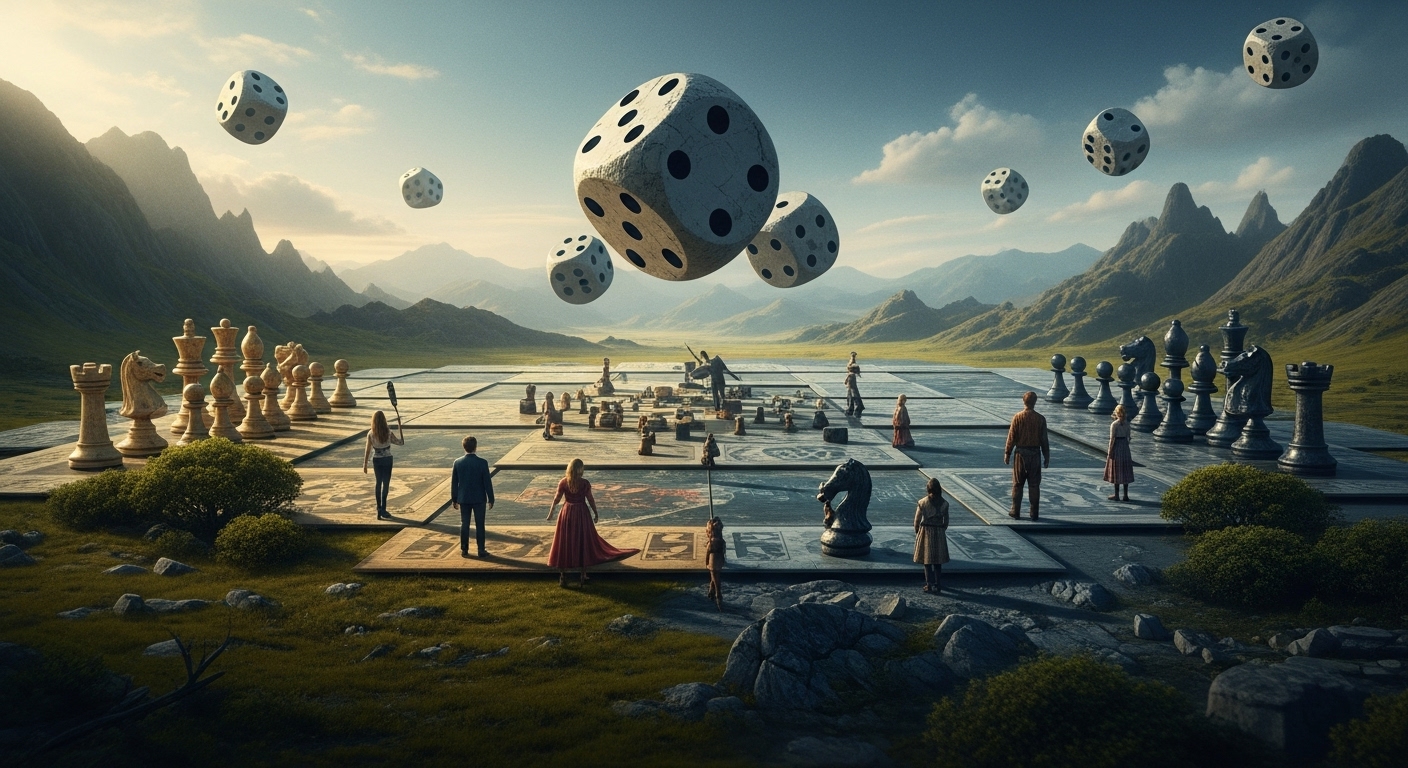
Games have been a part of human culture for centuries, evolving from simple board games and outdoor activities to complex digital experiences. They are more than just a way to pass the time—they foster creativity, strategy, and social interaction. Games challenge us, teach us valuable skills, and connect people across generations and cultures.
The Evolution of Games
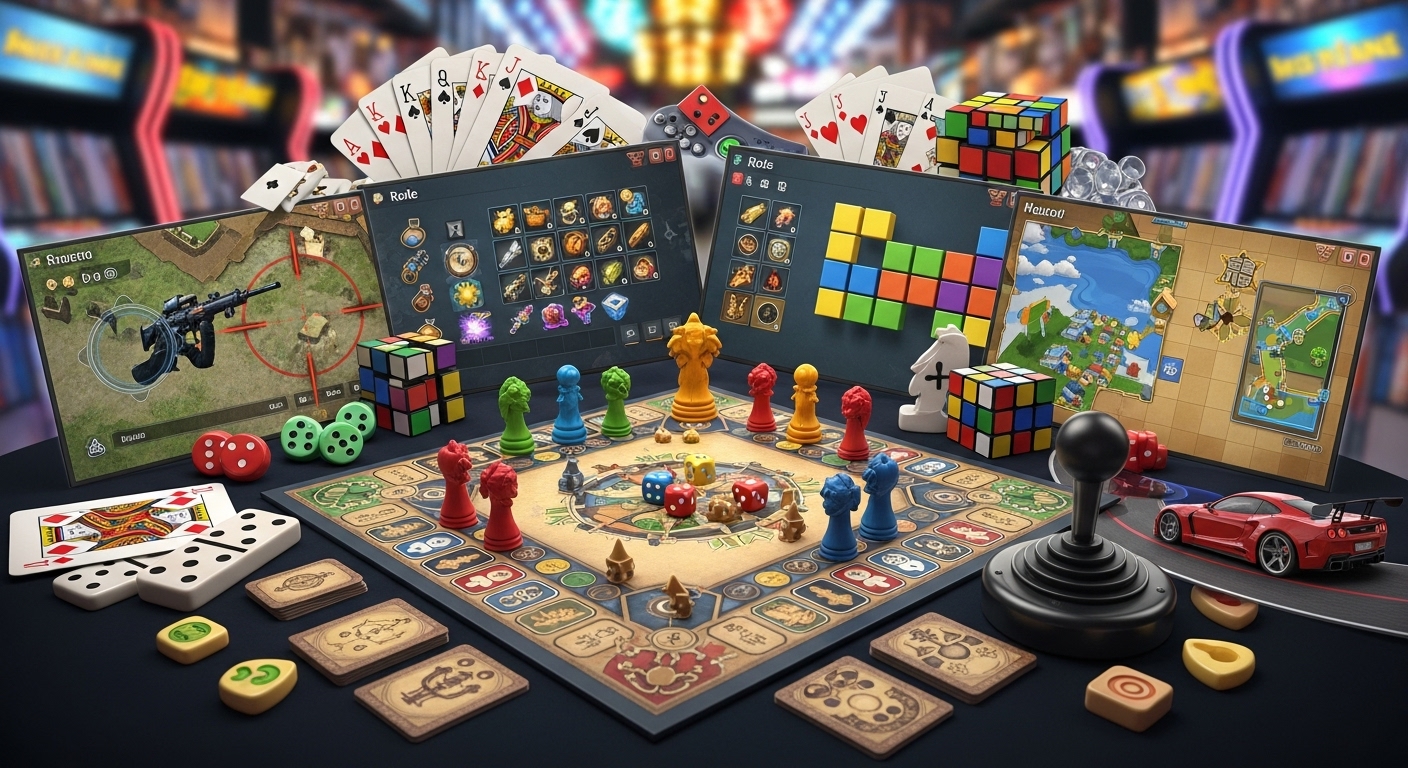
From ancient board games like chess and Go to modern video games, the world of gaming has continually evolved. Early games focused on strategy and luck, providing entertainment and mental stimulation. Today, games have expanded into digital realms, offering immersive experiences, multiplayer platforms, and interactive storytelling that captivate millions worldwide.
Cognitive and Skill Benefits
Games are not only entertaining but also beneficial for mental development. Strategy and puzzle games improve problem-solving, critical thinking, and planning skills. Fast-paced games enhance hand-eye coordination and reaction times. Even simple games can teach patience, perseverance, and adaptability, making them valuable tools for learning and personal growth.
Social Connections Through Games
Games often bring people together, creating opportunities for collaboration and competition. Multiplayer board games, sports, and online games foster teamwork and communication. Gaming communities form around shared interests, creating friendships and connections that transcend physical boundaries. Games provide a platform for social interaction and collaboration in both casual and competitive environments.
Games as a Source of Entertainment
The primary appeal of games is entertainment. They provide an escape from daily routines, offering challenges, rewards, and excitement. Whether solving a puzzle, completing a mission, or competing with friends, games engage players and keep them invested through interactive experiences. The sense of achievement and progress keeps players motivated and entertained.
Technology and Modern Gaming
Advancements in technology have revolutionized the gaming experience. Digital platforms, virtual reality, and mobile gaming allow people to play anytime and anywhere. Artificial intelligence enhances game design by creating smarter opponents and more dynamic challenges. Technology continues to push the boundaries of what games can offer, making them more immersive and engaging than ever.
Challenges in Gaming
While games provide many benefits, there are challenges to consider. Excessive playtime, addiction, and exposure to inappropriate content can have negative effects. Maintaining a healthy balance and practicing responsible gaming are essential to ensuring that games remain a positive and enriching experience.
The Future of Games
The future of games is full of possibilities. Virtual and augmented reality, cloud gaming, and AI-driven experiences will transform how people play and interact. Games will continue to blend education, entertainment, and social interaction, making them a vital part of culture and daily life.
Conclusion
Games are more than just a way to have fun—they are tools for learning, social connection, and personal growth. They challenge the mind, foster creativity, and bring people together. From traditional board games to modern digital adventures, games continue to play a significant role in shaping how we think, interact, and enjoy life.