Introduction: Why Games Matter
Games have been an essential part of human culture for centuries. From board games around the table to digital adventures on screens, games provide entertainment, challenge, and a way to connect with others. They are not just about winning or losing—they teach strategy, creativity, and critical thinking while offering a sense of achievement and joy.
The Evolution of Games
Games have evolved dramatically over time. Traditional games like chess, checkers, and card games developed skills such as strategy, logic, and decision-making. With the rise of technology, digital games introduced immersive experiences, interactive storytelling, and competitive challenges. Today, games range from simple mobile apps to complex online worlds, offering something for every type of player.
Types of Games
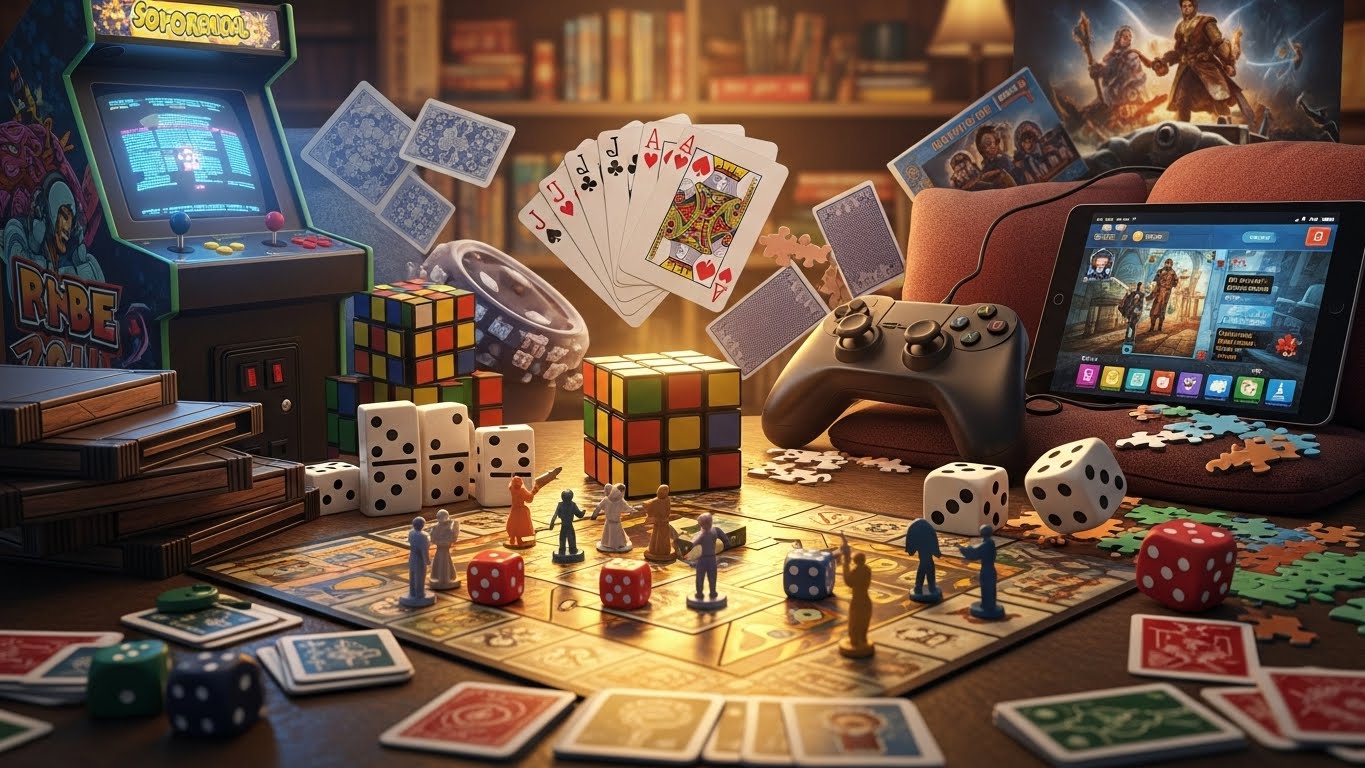
Games come in many forms to suit diverse interests. Board and card games encourage social interaction and problem-solving. Video games offer interactive adventures, simulation experiences, and competitive esports. Puzzle and strategy games develop analytical skills, while role-playing games allow players to explore creativity and imagination. Each type of game provides a unique way to engage the mind and have fun.
The Social Impact of Games
Games bring people together. Multiplayer games connect players across the globe, fostering teamwork and communication. Families and friends bond over board games, while online communities create spaces for sharing tips, achievements, and experiences. Games also offer a platform for competition, from casual matches to professional esports tournaments, building camaraderie and a sense of belonging.
Benefits of Playing Games
Playing games is more than just entertainment—it also has mental, cognitive, and social benefits. Games improve problem-solving skills, enhance focus, and boost memory. They encourage strategic thinking, patience, and adaptability. Social games develop communication skills and empathy, while competitive games build resilience and determination. Playing games in moderation contributes positively to overall mental and emotional wellbeing.
Challenges in the World of Games
While games provide many benefits, there are challenges to be aware of. Overindulgence can lead to addiction and affect physical health. Online toxicity and cheating can disrupt experiences for players. It is important for players to practice balance, ensure healthy habits, and engage in fair play to maximize the positive impact of gaming.
The Future of Games
The future of games is bright and full of innovation. Virtual reality, augmented reality, and advanced graphics are creating more immersive experiences than ever. Games are becoming more inclusive, catering to diverse audiences and abilities. The integration of artificial intelligence and interactive storytelling is set to transform the gaming landscape, making games an even richer source of entertainment, learning, and social connection.
Conclusion: Games as a Cultural Force
Games are more than leisure—they are a reflection of creativity, culture, and human connection. They inspire, challenge, and bring joy to players of all ages. As technology and imagination continue to evolve, games will remain a central part of human life, offering endless opportunities for play, learning, and bonding.