Introduction
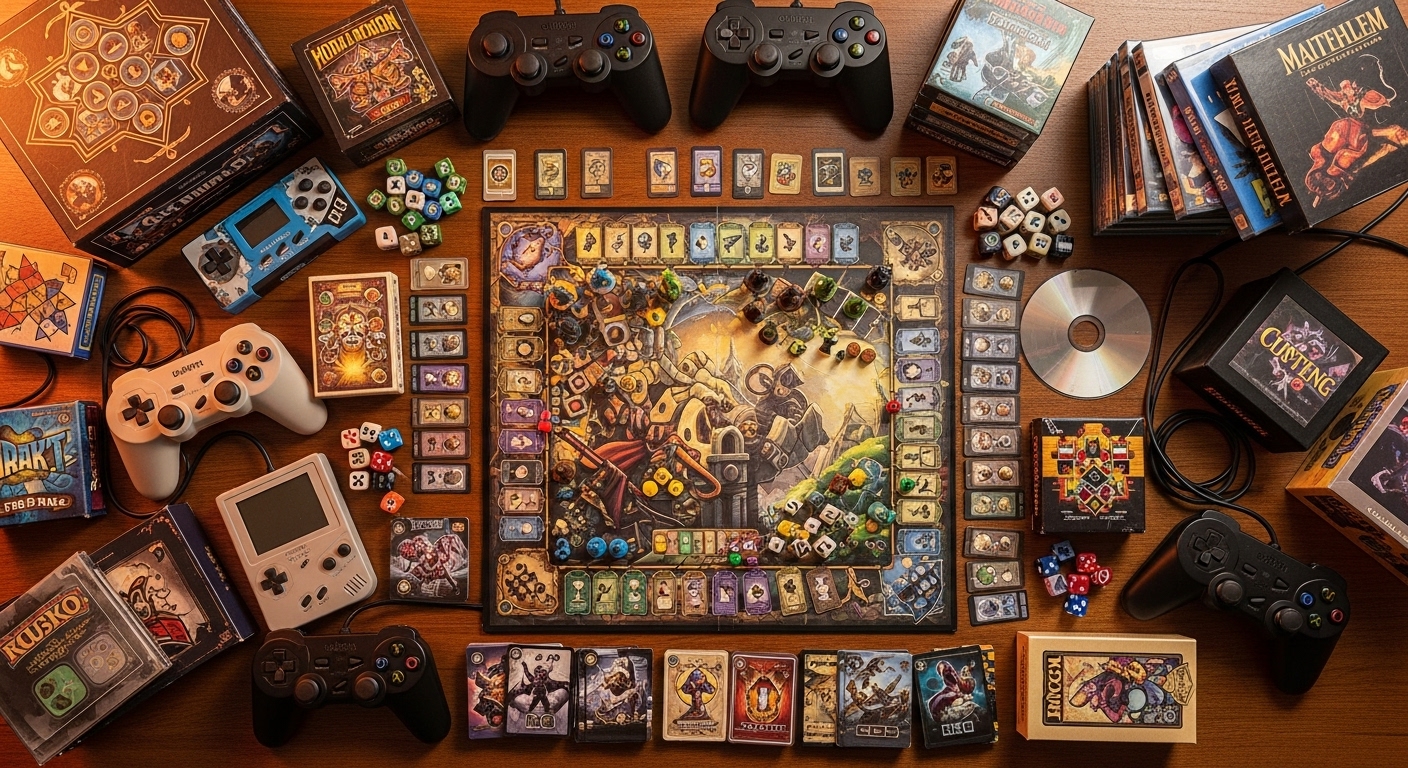
Games have been a part of human life for centuries, offering entertainment, challenges, and opportunities to connect with others. From traditional board games to modern digital experiences, games provide more than just fun—they teach skills, inspire creativity, and build relationships. Whether played alone or with others, games are a universal language of joy and learning.
The Evolution of Games
Games have evolved alongside humanity. Ancient civilizations enjoyed strategy and skill-based games like chess and mancala. With the rise of technology, video games and mobile apps introduced interactive and immersive experiences. Today, games span physical, digital, and hybrid forms, allowing players to engage in endless adventures and challenges.
Games as a Source of Entertainment
At their core, games are a form of entertainment. They provide excitement, competition, and storytelling, making them more engaging than passive activities like watching TV. Video games transport players to fantastical worlds, while board games offer strategy and social interaction. Each type of game brings unique forms of fun that can captivate players for hours.
Games and Learning
Games are powerful tools for learning. Strategy games improve problem-solving and critical thinking, while puzzle games enhance logic and focus. Educational games teach subjects like math, language, and history in engaging ways. Even competitive games teach planning, teamwork, and adaptability—skills that are valuable in real-life situations.
Social Benefits of Games
Games bring people together. Multiplayer video games, online challenges, and cooperative board games encourage communication, teamwork, and friendship. They create shared experiences that transcend age, location, and culture. In today’s digital world, gaming communities foster social interaction and collaboration on a global scale.
The Role of Technology in Gaming
Technology has revolutionized gaming. High-quality graphics, immersive sound, and interactive gameplay make video games highly engaging. Virtual reality and augmented reality are pushing the boundaries further, providing experiences that feel real and interactive. Technology has also made games more accessible, allowing people to play anytime and anywhere.
The Future of Games
The future of games is bright and limitless. With innovations in artificial intelligence, cloud gaming, and immersive technologies, games will continue to evolve in creativity and interactivity. Games will not only entertain but also educate, simulate real-world experiences, and connect communities worldwide.
Conclusion
Games are more than just pastimes—they are tools for entertainment, learning, and social connection. From traditional board games to cutting-edge digital adventures, they challenge the mind, bring joy, and unite people. As technology advances, the world of games will continue to grow, offering endless possibilities for fun, creativity, and connection.