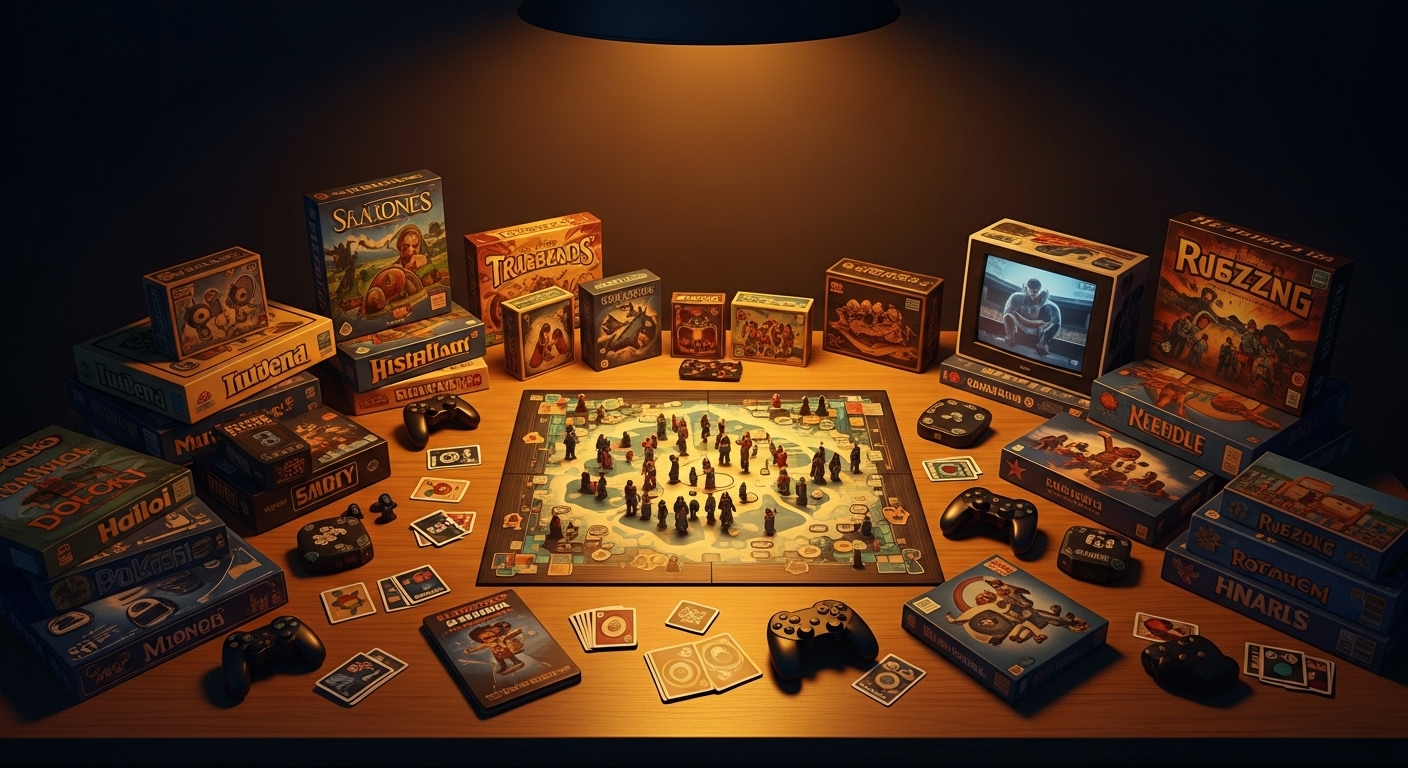
Introduction: The Enduring Appeal of Games
Games have been an integral part of human civilization since the earliest days. They entertain, challenge, educate, and bring people together. From traditional board games to modern digital games, they serve as a medium for creativity, strategy, and social interaction.
Games are not only a source of amusement—they reflect culture, promote learning, and strengthen cognitive and emotional skills. They offer a safe environment for experimentation, competition, and collaboration, helping people develop essential skills while having fun. This blog explores the evolution, impact, and significance of games across history and society.
The Origins of Games
The earliest games were simple yet profound. Archaeologists have discovered ancient board games like Senet in Egypt and Go in China, demonstrating that humans have always sought structured play. These early games combined strategy, chance, and social interaction, fostering mental skills and community engagement.
Physical games, such as wrestling, racing, and ball games, were also popular in ancient societies. They provided exercise, entertainment, and ritualistic significance. From tribal societies to ancient civilizations, games have played a crucial role in cultural development and human connection.
Board Games: Strategy and Social Interaction
Board games have been a staple of entertainment for centuries. Chess, checkers, and backgammon are classic examples that test strategy, foresight, and patience. They teach critical thinking, problem-solving, and decision-making skills in a competitive yet structured environment.
Board games also foster social interaction. Playing together builds communication, teamwork, and healthy competition. Modern board games have expanded this tradition, introducing storytelling, cooperative gameplay, and complex mechanics, appealing to players of all ages.
Card Games: Luck, Skill, and Strategy
Card games have a unique place in the gaming world. They combine elements of luck, probability, and strategy, engaging players in mental and social challenges. Games like poker, bridge, and rummy require analytical thinking, pattern recognition, and psychological insight.
Card games also promote social bonding. Playing with friends and family strengthens relationships, creates shared memories, and encourages friendly competition. Digital adaptations of card games have made them accessible to a global audience, ensuring their continued popularity.
Video Games: The Digital Revolution
The advent of video games revolutionized the way people play. From the earliest arcade machines to modern consoles and PCs, video games offer immersive experiences that combine graphics, storytelling, and interactivity.
Games range from fast-paced action and strategy to simulation and role-playing, appealing to diverse audiences. They engage cognitive skills, such as spatial reasoning, multitasking, and decision-making. Multiplayer and online games foster collaboration, competition, and community-building on a global scale.
The Rise of Mobile Gaming
Mobile gaming has made games accessible to millions worldwide. Smartphones and tablets allow people to play anytime, anywhere, making casual gaming a daily habit for many. Popular titles include puzzle games, strategy games, and multiplayer apps that connect friends and strangers alike.
Mobile games also introduce new monetization models, such as in-app purchases and subscriptions, supporting the gaming industry’s growth. Despite being convenient and casual, mobile games can still provide deep challenges, strategic thinking, and immersive experiences.
Sports and Physical Games
Games are not limited to mental or digital engagement—they also include physical activity. Traditional sports, playground games, and recreational activities provide exercise, competition, and social interaction.
Sports teach discipline, teamwork, and resilience, while recreational games promote creativity and physical coordination. Games like tag, hide-and-seek, soccer, and basketball encourage socialization, build character, and foster lifelong habits of fitness and wellness.
Educational Games: Learning Through Play
Games have long been recognized as a powerful educational tool. Educational games use play to teach concepts, encourage critical thinking, and reinforce skills. From math and language puzzles to historical simulations, games make learning interactive and enjoyable.
Gamification in education applies game principles to motivate students, increase engagement, and reward progress. Virtual simulations, coding games, and interactive quizzes develop practical skills and problem-solving abilities, bridging fun and education seamlessly.
The Psychology of Games
Games have a profound impact on the mind. They stimulate cognitive functions such as memory, attention, and strategy. Problem-solving games enhance analytical thinking, while role-playing games promote creativity and empathy.
Games also support emotional well-being. They provide stress relief, allow safe exploration of challenges, and offer a sense of achievement. Multiplayer and social games foster connections, reducing isolation and promoting teamwork. Properly balanced gaming contributes to both mental agility and emotional resilience.
Games as a Cultural Phenomenon
Games are deeply embedded in culture. They reflect traditions, values, and societal norms. For instance, chess has roots in strategy and war simulation, while regional card and board games tell stories of community, leisure, and intellect.
Modern video games have become cultural touchstones. Popular franchises, characters, and worlds influence fashion, media, and social trends. Gaming conventions, tournaments, and fan communities highlight how games shape identity, shared experiences, and cultural dialogue globally.
The Economic Impact of Games
The gaming industry is a significant economic force. Revenue comes from board games, video games, mobile apps, esports, merchandising, and more. Blockbuster games can generate billions in sales, rivaling the film and music industries.
Games create employment opportunities beyond development, including design, marketing, event management, broadcasting, and content creation. Esports and competitive gaming add a professional layer, transforming skilled players into global icons with sponsorship and career opportunities.
Esports: Competitive Gaming at Its Peak
Esports has transformed competitive gaming into a professional and spectator-driven industry. Titles like League of Legends, Dota 2, Counter-Strike, and Fortnite have global leagues, tournaments, and fan bases.
Esports blends skill, strategy, teamwork, and entertainment. Players practice extensively, while fans engage through live streams, commentary, and interactive events. This evolution of games highlights their versatility—from casual play to professional competition with massive audiences.
The Future of Games
The future of games promises even greater innovation. Virtual reality and augmented reality will make experiences more immersive, while artificial intelligence will create adaptive and personalized gameplay. Games will continue to integrate storytelling, interactivity, and social engagement in new ways.
Cross-platform play, cloud gaming, and mobile expansion will make games more accessible than ever. Educational, social, and professional applications of games will continue to grow, demonstrating that play is not just leisure—it is a tool for development, connection, and cultural expression.
Conclusion: Games as a Universal Experience
Games are a universal form of expression, learning, and entertainment. They engage the mind, body, and spirit while fostering social connections and cultural dialogue. From ancient board games to modern esports arenas, games have evolved but retained their core purpose: to challenge, inspire, and bring people together.
The impact of games goes beyond recreation. They teach skills, shape culture, influence economies, and build communities. As technology and creativity advance, games will continue to expand their reach, ensuring that play remains a fundamental part of human experience for generations to come.