Introduction
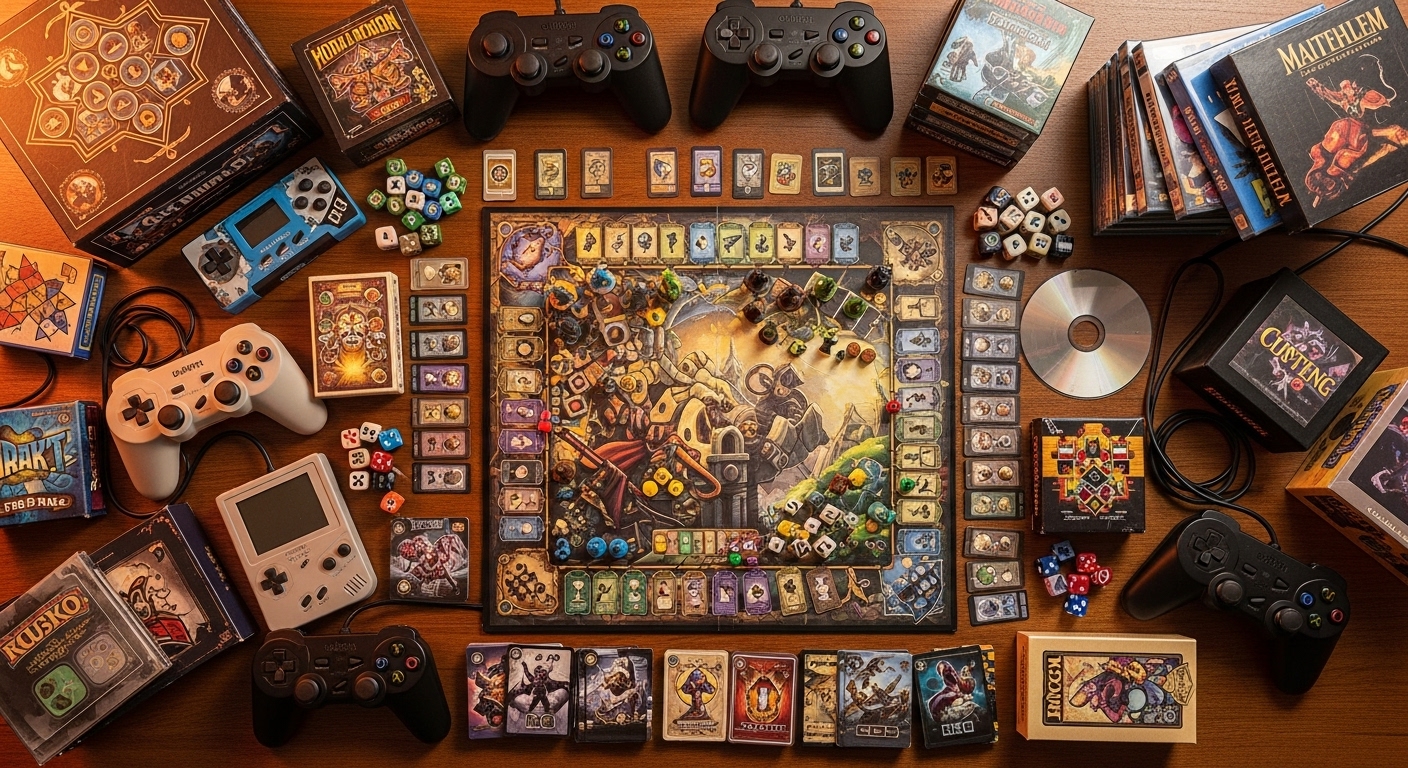
Games have been a part of human culture for centuries. From ancient board games to modern video games, they offer entertainment, challenge, and a way to connect with others. Beyond mere fun, games enhance creativity, strategic thinking, and social interaction. They reflect the evolution of human imagination and the desire for engagement and competition.
The Evolution of Games
Games have transformed drastically over time. Ancient societies played simple games using stones, dice, or cards, often for recreation or education. With technological advancements, games evolved into complex forms including board games, card games, and sports. The digital age introduced video games, online multiplayer experiences, and mobile apps, expanding the possibilities of gaming and connecting millions of players worldwide.
Physical and Mental Benefits of Games
Games are not only entertaining—they also offer physical and mental benefits. Sports and physical games improve coordination, stamina, and overall health. Strategy games, puzzles, and role-playing games enhance problem-solving, critical thinking, and decision-making skills. Games encourage focus, patience, and perseverance, helping players develop traits that extend into everyday life.
Games as a Social Connector
Games bring people together, fostering communication, teamwork, and social bonds. Whether it is friends playing a board game, families enjoying card games, or online communities engaging in multiplayer games, the shared experience creates connections. Games help build collaboration skills, empathy, and mutual respect, providing a platform for interaction across ages and cultures.
The Rise of Digital Gaming
Digital games have revolutionized the gaming landscape. Video games, mobile apps, and online platforms allow players to engage in immersive experiences anytime and anywhere. From strategy games to action adventures, simulations, and virtual reality experiences, digital games offer endless possibilities. This technological evolution has made gaming an integral part of entertainment and lifestyle for millions worldwide.
Games and Education
Games are also powerful educational tools. Educational games teach problem-solving, critical thinking, and creativity. Simulations and role-playing games help learners understand complex concepts in science, history, and mathematics. By combining learning with fun, games make education more engaging and memorable, preparing players for real-world challenges in an interactive way.
Career Opportunities in Gaming
The gaming industry offers a wide range of career paths. Game development, design, animation, testing, marketing, and esports provide opportunities for creative and technical talents. Professional gaming has grown into a global phenomenon, with players achieving fame and earning substantial rewards. The industry continues to expand, opening doors for innovation and entrepreneurship in gaming.
The Future of Games
The future of games is bright and evolving. Virtual reality, augmented reality, and artificial intelligence are pushing the boundaries of gaming experiences. Games are becoming more immersive, interactive, and personalized, appealing to diverse audiences. As technology advances, games will continue to inspire creativity, foster learning, and provide entertainment in ways that were once only imagined.
Conclusion
Games are more than a pastime—they are a reflection of human creativity, culture, and innovation. They entertain, educate, and connect people across generations and borders. As the gaming world continues to evolve, it will remain an essential part of human experience, shaping how we play, learn, and interact in the modern era.