Introduction to the World of Games
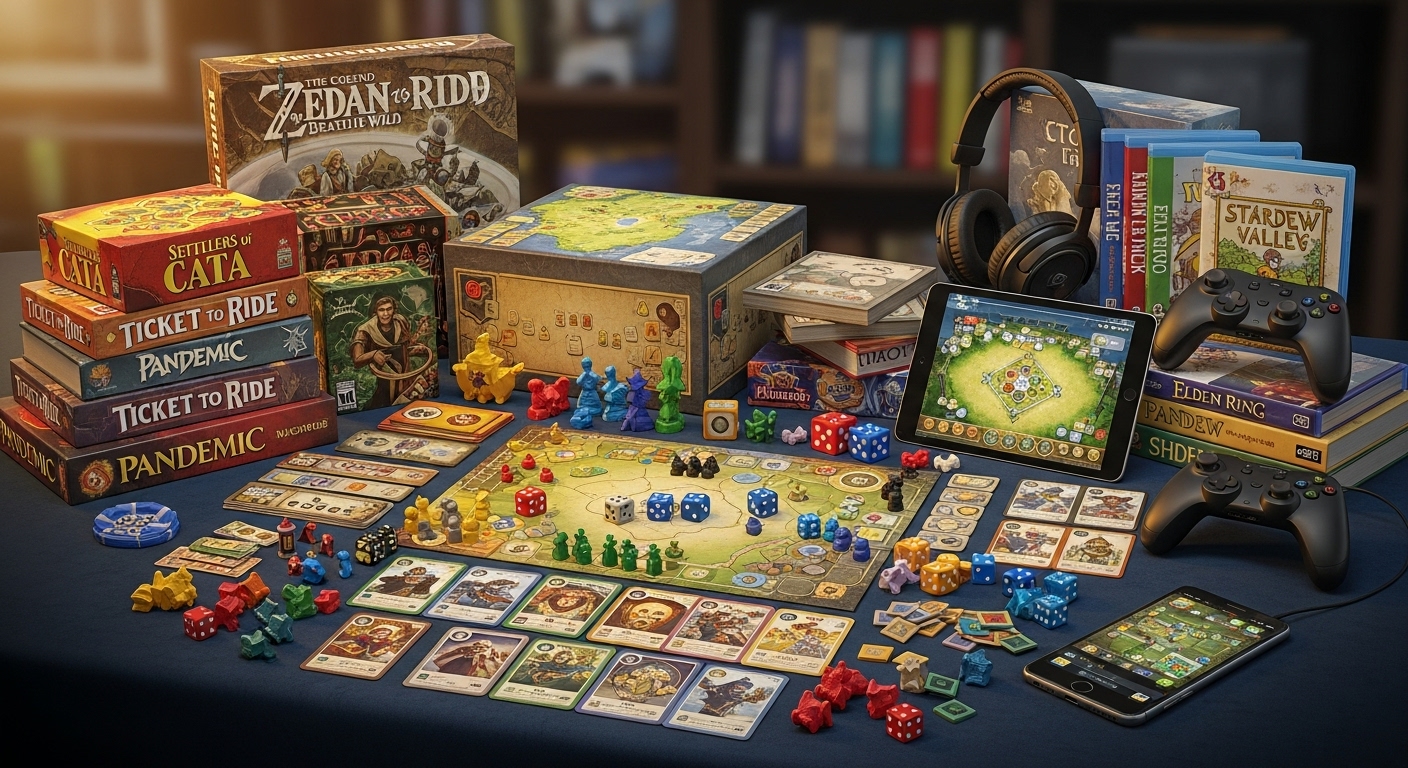
Games have existed since the beginning of civilization. From the simplest board games carved into stone to the vast, digital worlds that exist today, games have always held a special place in human life. They are not just a form of entertainment; they are a reflection of culture, creativity, competition, and human imagination. Whether it is a child playing in the street, a professional gamer in an international tournament, or a family gathered around a table with cards and dice, games bring people together in ways that few other things can.
The concept of a game is simple at its core. It involves a set of rules, an objective, and participants willing to play. But the meaning behind games goes far deeper. They teach strategy, patience, decision-making, and even teamwork. Over centuries, games have evolved from physical to digital, from local to global, and from leisure to professional sport. In today’s world, games are not just hobbies; they are industries, cultures, and even identities.
The Evolution of Games Through History
The story of games begins thousands of years ago. Ancient civilizations like Egypt and Mesopotamia had their own versions of board games. Senet, for example, is one of the oldest known board games, found in ancient Egyptian tombs. It was not only played for fun but also held religious significance, symbolizing the journey of the soul through the afterlife. Similarly, ancient India introduced chess, a strategic board game that later spread across the world and became a symbol of intellect and strategy.
In medieval times, games continued to evolve. Cards became popular in Asia and later spread to Europe, where they were adapted into various styles of play. Dice games, storytelling games, and physical competitions like archery and jousting were common forms of recreation among both nobles and commoners. As societies advanced, so did their games, adapting to cultural trends, available technology, and human imagination.
The industrial age brought a massive shift. Manufacturing allowed toys and board games to be produced on a large scale, making them accessible to families everywhere. Games like Monopoly, Scrabble, and Clue became household names, blending entertainment with learning and strategy. But it was the technological revolution of the 20th century that completely transformed what a game could be.
The Rise of Video Games
When computers and consoles entered homes in the late 20th century, games took on an entirely new form. The first video games were simple—pixelated adventures, basic puzzles, and arcade-style challenges. Pong, released in the 1970s, was a simple tennis-like game but marked the beginning of a new era. It was followed by hits like Space Invaders, Pac-Man, and Donkey Kong, each introducing new mechanics and growing the idea of gaming as both a pastime and a skill.
By the 1980s and 1990s, video games had exploded into mainstream culture. Companies like Nintendo, Sega, and later Sony brought gaming to the living room. Titles like Super Mario Bros., The Legend of Zelda, and Sonic the Hedgehog became cultural icons. These games were not just entertainment—they built worlds, told stories, and inspired imaginations. Players could explore lands, fight villains, and save princesses without leaving their couches.
As technology advanced, graphics improved, stories deepened, and game design matured. The arrival of 3D gaming in the mid-1990s, with consoles like the PlayStation and Nintendo 64, changed how players interacted with virtual worlds. Games became more immersive, offering open worlds, voice acting, and cinematic storytelling. By the early 2000s, gaming had evolved from a niche hobby into a global phenomenon.
The Modern Gaming Landscape
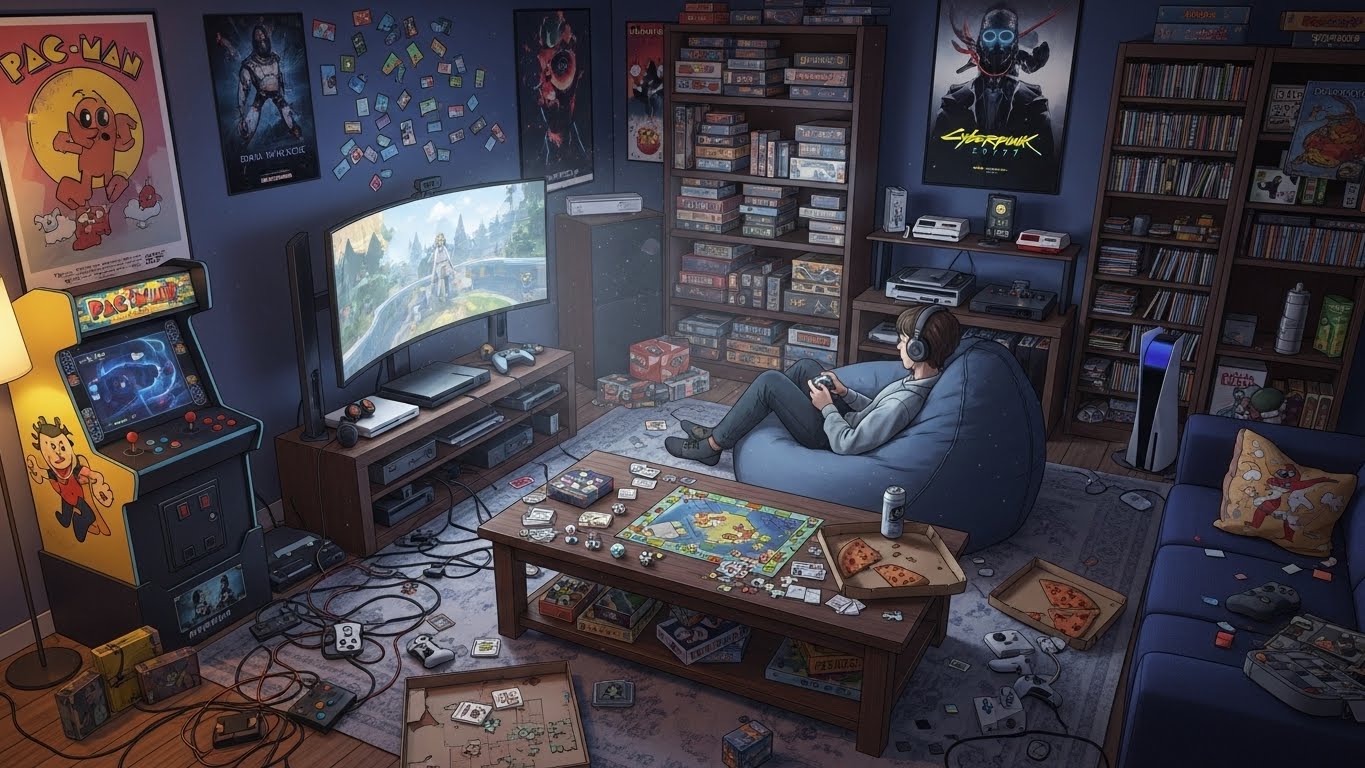
Today, gaming is one of the largest entertainment industries in the world. It rivals and even surpasses film and music in terms of revenue and cultural influence. Modern games span across platforms—from consoles and computers to mobile devices and even virtual reality headsets. The diversity of genres is astounding: action, adventure, strategy, role-playing, simulation, puzzle, sports, and countless others.
Games like Minecraft, Fortnite, and Grand Theft Auto have defined an era of creativity and online connection. Multiplayer games have created global communities where players collaborate, compete, and communicate in real time. Online gaming has erased geographic boundaries, allowing someone in one corner of the world to play alongside or against someone thousands of miles away.
Another significant development in modern gaming is accessibility. Once considered a luxury hobby, gaming is now accessible to almost everyone. Mobile gaming, in particular, has opened doors for billions of people. With smartphones, anyone can play, whether it’s a short puzzle during a commute or a full-scale adventure. The simplicity and convenience of mobile gaming have made it one of the most significant cultural shifts in entertainment history.
The Art and Science of Game Design
Behind every great game lies a blend of art, science, and storytelling. Game designers must balance visuals, sound, gameplay mechanics, and narrative elements to create experiences that feel engaging and meaningful. Unlike movies or books, games are interactive, which means the player is part of the story. The best games allow players to make choices, solve problems, and feel responsible for the outcome.
Game development involves multiple disciplines—programming, art, sound design, psychology, and user experience. Developers use engines like Unity or Unreal to build virtual worlds, and artists create stunning visuals that bring them to life. Music composers and sound engineers add emotional depth, while writers craft narratives that resonate with players. Every detail, from how a character moves to how a level is structured, contributes to immersion.
The psychology of gaming is equally fascinating. Designers study how players think, what motivates them, and how to maintain a sense of challenge and reward. Concepts like flow—the state of being fully immersed and engaged—are central to game design. The goal is to keep players in a loop of satisfaction, curiosity, and achievement.
The Social Side of Gaming
Gaming has always been social. Even in ancient times, games were played in groups, fostering connection and friendly competition. Modern technology has amplified this aspect enormously. Multiplayer games, online communities, and esports tournaments have turned gaming into a shared global experience. Players not only play together but also watch others play, stream their gameplay, and participate in online discussions.
Social gaming has also created new forms of friendship and collaboration. Guilds, clans, and online groups have become social networks where people connect through shared interests. These digital communities often extend beyond the game itself, leading to lifelong friendships or even careers in streaming, commentary, or professional gaming.
However, with the rise of social gaming also come challenges. Toxic behavior, online harassment, and excessive competition can create negative environments. Many developers and platforms are now working toward creating safer and more inclusive spaces where everyone can enjoy gaming without fear or exclusion.
The Rise of Esports
One of the most fascinating developments in gaming is the rise of esports—competitive gaming at a professional level. What started as small competitions in arcades has grown into massive international tournaments with millions of viewers and multi-million-dollar prize pools. Games like League of Legends, Dota 2, Counter-Strike, and Valorant have professional leagues with players who train, strategize, and compete much like traditional athletes.
Esports has redefined what it means to be a professional gamer. Players are now celebrities, teams have sponsors, and tournaments are broadcast globally. The production quality of esports events often rivals that of major sporting events, with commentators, analysts, and live audiences cheering for their favorite teams.
This rise has also inspired younger generations to pursue gaming as a career path. While it requires immense skill and dedication, esports has proven that gaming can be more than a hobby—it can be a profession. Educational institutions and organizations are now offering scholarships, training programs, and courses dedicated to esports management and game studies.
The Role of Games in Education
Games are not just tools for fun; they have immense potential for learning. Educational games have become powerful instruments for teaching complex subjects in engaging ways. Through play, students can explore math, science, history, and even emotional intelligence. Games allow learners to experiment, fail safely, and try again, reinforcing understanding through experience.
Simulation games, for example, teach real-world skills. Flight simulators train pilots, business simulation games teach management principles, and historical games provide interactive lessons about past events. Educational platforms use game mechanics like rewards, levels, and progress tracking to keep learners motivated and invested in their goals.
Even beyond formal education, games encourage creativity and problem-solving. Building in Minecraft or designing a world in Roblox fosters imagination and spatial reasoning. Puzzle games sharpen logical thinking, while strategy games enhance planning and foresight. The interactive nature of gaming makes learning active rather than passive, making it an essential tool for the modern world.
The Psychological Impact of Games
The relationship between games and psychology has been studied for decades. Games can evoke a range of emotions—excitement, frustration, joy, fear, and even empathy. They provide a safe space for exploring emotions and challenges that might be harder to face in real life. When designed thoughtfully, games can reduce stress, improve cognitive functions, and even enhance mental health.
However, like any form of entertainment, moderation is key. Excessive gaming can lead to addiction, social isolation, and physical health issues. Game designers, parents, and educators are increasingly aware of these challenges and are working to promote healthy gaming habits. Many platforms now include features to track playtime and encourage breaks.
On the positive side, gaming has proven therapeutic benefits. It helps improve focus, reaction time, and multitasking skills. Cooperative games build teamwork and empathy, while narrative-driven titles can help players process complex emotions or situations. The key lies in balance and mindful engagement.
The Future of Games
As technology continues to advance, the future of gaming looks limitless. Virtual reality (VR) and augmented reality (AR) are already transforming how players experience digital worlds. These technologies allow players to step inside the game, creating fully immersive experiences. Imagine walking through a fantasy world, fighting monsters, or exploring alien planets as if you were truly there.
Artificial intelligence is also shaping game development. Smarter AI opponents, personalized experiences, and adaptive gameplay make each session unique. Procedural generation allows for infinite possibilities, creating worlds that feel alive and unpredictable. Cloud gaming is breaking barriers of hardware, allowing people to play high-end games on any device through streaming.
The line between reality and virtual worlds is blurring. The metaverse, though still developing, promises interconnected virtual spaces where games, work, and social life merge. Players might own digital properties, create businesses, or build entire communities in these spaces. Gaming is not just entertainment anymore—it’s becoming a digital ecosystem that mirrors real life.
Games as Cultural and Artistic Expression
Beyond entertainment and technology, games have become a form of art. They tell stories, explore themes, and express ideas much like literature or cinema. Indie developers, in particular, have pushed the boundaries of what games can say and do. Titles that explore personal struggles, identity, loss, and love show that games can be deeply emotional experiences.
Visual design, music, and storytelling in modern games rival those of major films. Artists and writers collaborate to build emotional journeys where players are not just spectators but participants. This interactivity creates a powerful connection, making the story feel personal and meaningful.
Games also serve as cultural artifacts, reflecting the values, fears, and hopes of their times. They capture the spirit of generations, addressing social issues, technological anxieties, and human aspirations. As such, they deserve recognition as one of the most influential art forms of the modern age.
Conclusion: Why Games Matter
Games are more than just pastimes. They are expressions of creativity, tools of education, sources of joy, and platforms for connection. They teach us about strategy, empathy, resilience, and imagination. Whether ancient or modern, digital or physical, solo or social, games capture what it means to be human—the desire to play, compete, explore, and create.
In every form, games bring people together. They bridge generations, cultures, and languages. They allow us to experience stories we could never live in real life and challenge us to think, feel, and grow. The world of games continues to expand, evolve, and inspire, reminding us that play is not just for children—it’s a vital part of who we are.