Introduction
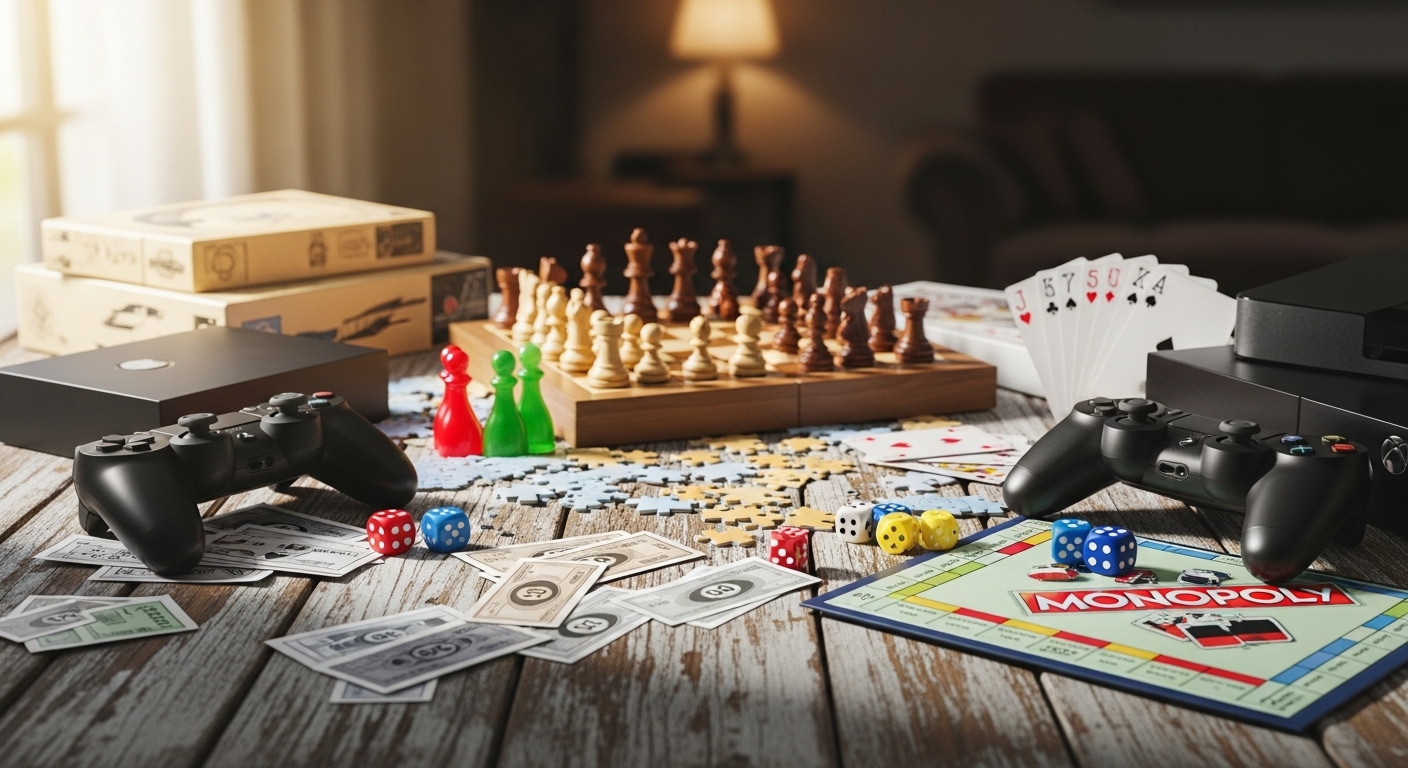
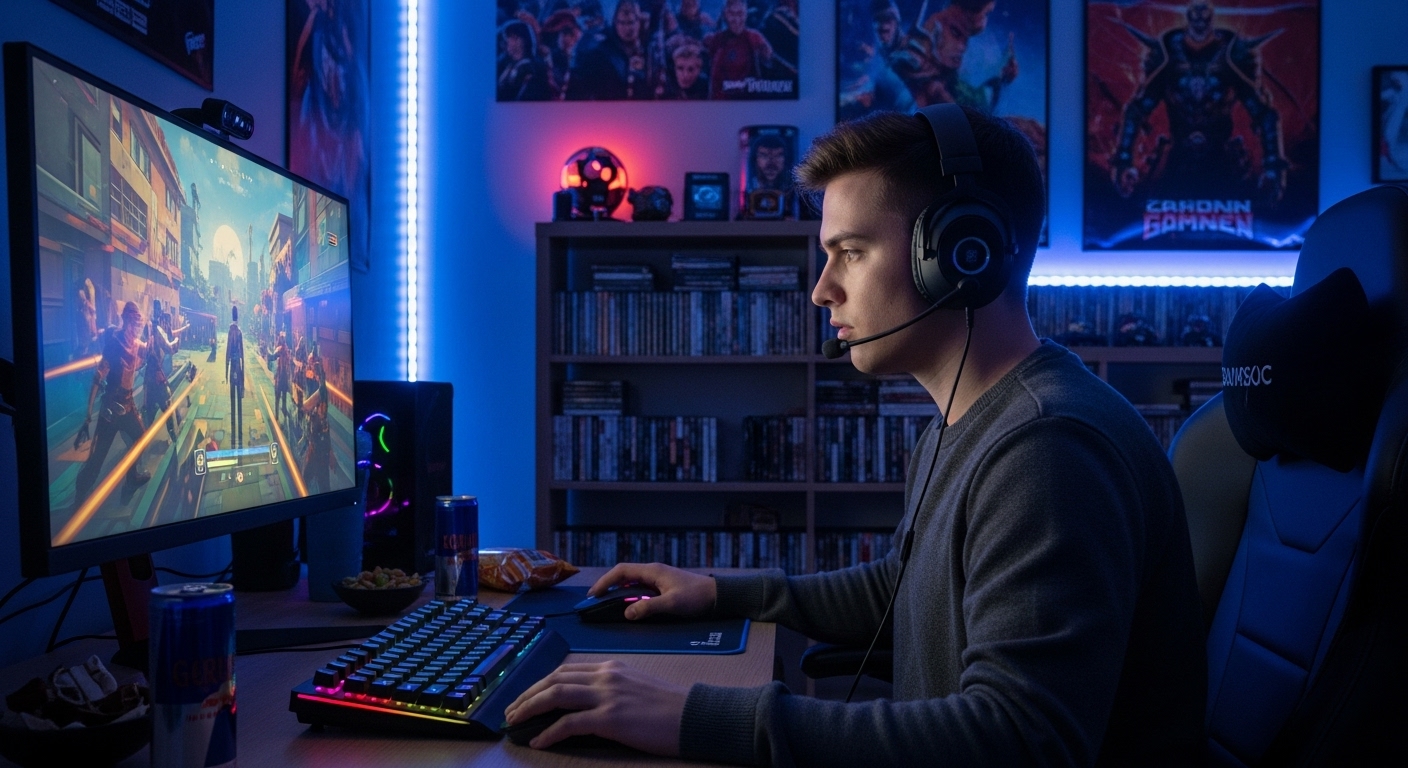
Gaming has grown from a simple pastime into a global phenomenon that influences entertainment, technology, and culture. It has evolved into a space where imagination meets innovation, connecting people across the world. Whether played on consoles, computers, or mobile devices, gaming today represents creativity, competition, and community in equal measure.
The Evolution of Gaming
The story of gaming began with basic arcade games that offered simple challenges and fun experiences. Over the years, technological advancements have transformed gaming into a sophisticated art form filled with lifelike graphics, complex narratives, and interactive gameplay. What once started with pixels and joysticks has now become an immersive world powered by high-speed processors and stunning visual effects. This evolution reflects how human creativity continues to shape the digital world.
Gaming as a Social Experience
Modern gaming has become a powerful social platform. Multiplayer games allow people from different corners of the world to connect, communicate, and collaborate in real time. Players form friendships, teams, and entire communities through shared gaming experiences. It has become more than entertainment—it is a form of social bonding where teamwork, communication, and mutual respect play vital roles.
The Role of Technology in Gaming
Technology is the backbone of gaming’s rapid growth. Innovations like virtual reality, augmented reality, and artificial intelligence have elevated gaming to new dimensions. Virtual reality allows players to step inside the game world, while artificial intelligence enhances character behavior and gameplay complexity. Mobile and cloud gaming have made games more accessible, breaking the barriers of location and hardware. These advancements ensure that gaming continues to evolve with each passing year.
Gaming and Mental Growth
Gaming is not only fun but also beneficial for mental development. Many games enhance problem-solving abilities, strategic thinking, and creativity. Puzzle and strategy games challenge the brain, improving focus and analytical skills. Even fast-paced action games can improve reflexes and coordination. When played responsibly, gaming can be a valuable tool for learning and cognitive growth.
Esports and Professional Gaming
The rise of esports has transformed gaming into a competitive and professional field. Players now compete globally, showcasing their skills in tournaments that attract millions of viewers. Esports has created career opportunities for gamers, commentators, and developers alike. This shift proves that gaming is not merely a hobby but also a legitimate and respected profession in the digital age.
Gaming as an Art Form
Beyond competition and entertainment, gaming is a powerful form of artistic expression. Developers blend storytelling, music, design, and technology to create emotional and memorable experiences. Games like The Last of Us and Journey demonstrate how narratives and visuals can evoke deep emotions, rivaling cinema and literature. Gaming allows players to not only watch stories unfold but to become part of them, making it one of the most interactive art forms ever created.
The Future of Gaming
The future of gaming holds endless possibilities. With emerging technologies like artificial intelligence, virtual worlds, and cloud computing, games will become more immersive and accessible. Players will experience stories in new ways, and developers will continue to push the boundaries of creativity. As gaming evolves, it will remain at the forefront of entertainment, innovation, and digital culture.
Conclusion
Gaming is far more than a digital pastime—it is a reflection of human creativity, connection, and progress. It entertains, educates, and inspires millions around the world. Whether played for fun, learning, or competition, gaming continues to shape modern life and bridge the gap between technology and imagination. Beyond the screen lies a world of endless possibilities, where every player becomes part of something greater.