Introduction
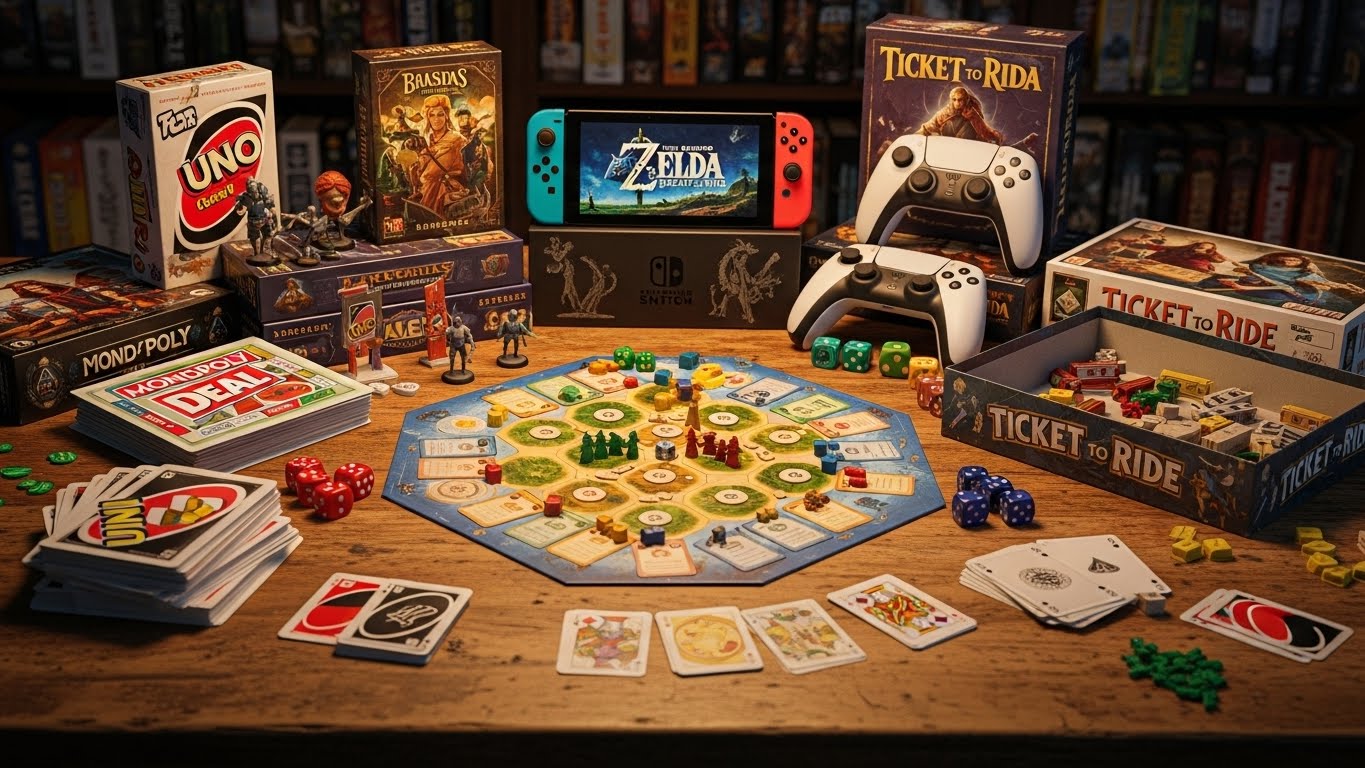
Games have been a part of human civilization since the earliest days of storytelling and competition. From ancient board games carved in stone to today’s high-definition virtual worlds, the concept of play has evolved alongside humanity itself. What was once a simple pastime has become a cultural and technological phenomenon that influences entertainment, education, social interaction, and even mental health. The modern gaming world is a vast universe where creativity meets technology, and imagination knows no boundaries.
The Evolution of Games Through History
Games have existed in various forms for thousands of years. Ancient civilizations such as Egypt, Greece, and China all had their own versions of recreational activities and strategy-based board games. The Royal Game of Ur, one of the oldest known board games, dates back over 4,000 years and reflects how people used games to relax, compete, and connect.
In the 20th century, the arrival of video games marked a revolutionary moment in entertainment history. The 1970s and 1980s introduced classics like Pong, Space Invaders, and Pac-Man, which laid the foundation for digital gaming culture. These early games were simple but highly addictive, emphasizing challenge and fun over complexity. As technology advanced, so did the sophistication of games, bringing in richer graphics, immersive storytelling, and deeper gameplay mechanics.
Today, gaming has evolved into a global industry that generates billions of dollars annually. From mobile games and esports tournaments to virtual reality simulations, the variety and depth of modern games are unprecedented.
The Different Types of Games in the Modern Era
The modern gaming landscape offers a vast range of genres, each appealing to different audiences and interests. Action games, known for their intensity and fast-paced mechanics, keep players engaged through reflex and strategy. Adventure games focus on storytelling and exploration, allowing players to experience virtual worlds filled with mystery and excitement.
Role-playing games (RPGs) stand out for their emphasis on character development and narrative depth. They allow players to step into the shoes of fictional heroes and make choices that influence the outcome of the story. Meanwhile, simulation games replicate real-life activities like building cities, managing farms, or running businesses. These games provide a balance between creativity and strategy.
Sports games replicate real-world athletic experiences, while puzzle and casual games focus on relaxation and brain stimulation. Mobile platforms have made casual gaming accessible to everyone, turning gaming into a universal hobby. The rise of multiplayer online games and battle royales has added a new layer of social connection, allowing players to compete and collaborate globally.
The Science Behind Why We Play Games
Humans have an innate desire to play. Psychologists have studied gaming for decades and discovered that games satisfy several psychological needs. The first is the sense of achievement. Completing challenges, leveling up, or earning rewards provides instant gratification and boosts confidence.
Secondly, games fulfill the need for autonomy and control. Players enjoy making decisions and influencing outcomes in virtual worlds. This sense of agency can be empowering, especially when contrasted with the unpredictability of real life.
Another important factor is social interaction. Multiplayer games enable people to form friendships, join communities, and collaborate toward common goals. In many cases, these social connections extend beyond the digital realm, creating real bonds between players.
Lastly, games provide escapism. They allow players to temporarily leave behind the stresses of daily life and enter imaginative spaces where they can be heroes, explorers, or creators. This emotional and psychological relief is one of the main reasons gaming continues to grow in popularity across all age groups.
The Role of Technology in Gaming Advancement
Technology has completely transformed the gaming experience. Early video games were limited by hardware, but modern consoles, computers, and mobile devices offer unprecedented power and speed. High-definition graphics, realistic physics engines, and advanced sound design make games more immersive than ever before.
One of the biggest technological advancements in gaming is the introduction of online multiplayer systems. This innovation turned gaming from a solo activity into a global social experience. Players can now compete or cooperate with others from any part of the world in real time.
Another groundbreaking development is virtual reality (VR) and augmented reality (AR). VR headsets allow players to step directly into a digital world, making gaming experiences more interactive and lifelike. Augmented reality games blend the digital and physical worlds, creating unique experiences like catching virtual creatures in real environments.
Artificial intelligence has also become a core part of gaming. AI controls non-player characters (NPCs), adjusts game difficulty, and personalizes experiences based on player behavior. These intelligent systems make each gaming session feel dynamic and unpredictable.
Gaming as a Cultural Phenomenon
Gaming has become a defining part of modern culture. What began as a form of entertainment has turned into a global community that influences fashion, art, music, and film. Characters like Mario, Lara Croft, and Master Chief are cultural icons recognized worldwide. Esports tournaments draw millions of viewers and offer prize pools that rival traditional sports.
Streaming platforms have also given rise to a new generation of gaming influencers. These players entertain, educate, and inspire others through gameplay videos and live streams. Gaming conventions, cosplay events, and fan communities further highlight how deeply games have integrated into everyday life.
Moreover, games have become powerful storytelling tools. Titles like The Last of Us, Red Dead Redemption, and Journey are praised not only for their gameplay but also for their emotional depth and cinematic storytelling. Gaming has proven that it can be as expressive and artistic as any film or novel.
Educational and Cognitive Benefits of Gaming
Contrary to outdated beliefs, gaming offers numerous cognitive and educational benefits. Studies have shown that playing strategy and puzzle games enhances problem-solving abilities and critical thinking. Action games improve hand-eye coordination, reflexes, and multitasking skills.
Educational games are being used in classrooms to make learning interactive and engaging. They help students understand complex subjects through visual and experiential methods. Simulation games teach real-world skills such as resource management, teamwork, and decision-making.
Additionally, gaming can foster creativity. Sandbox games like Minecraft allow players to design, build, and experiment freely, stimulating imagination and innovation. These creative experiences encourage users to think outside the box, making gaming not only fun but also intellectually stimulating.
The Social Impact of Gaming
Gaming is no longer an isolated activity. Online multiplayer games have created global communities where people from different backgrounds come together. These digital spaces promote teamwork, communication, and cultural exchange.
For many, gaming provides a sense of belonging. People who may feel disconnected in the real world can find acceptance and friendship through shared gaming experiences. This sense of community can have positive effects on mental health, providing emotional support and companionship.
However, like any social activity, gaming also comes with challenges such as toxicity, harassment, and excessive competition. Developers and communities are working to create safer and more inclusive gaming environments through moderation tools and awareness programs.
The Business of Games: An Ever-Growing Industry
The gaming industry has become one of the most profitable entertainment sectors in the world. It surpasses the combined revenues of film and music, driven by digital distribution, in-game purchases, and subscription models.
Major game developers invest millions in creating blockbuster titles, while independent developers continue to push creative boundaries with unique and artistic experiences. Mobile gaming has opened doors for small studios, allowing them to reach global audiences with minimal investment.
Esports is another booming branch of the gaming industry. Competitive gaming has evolved into a professional career path for talented players. Sponsorships, brand deals, and streaming platforms have made gaming a viable livelihood for many.
The Future of Gaming
As technology continues to advance, the future of gaming looks limitless. Cloud gaming will eliminate hardware restrictions, allowing players to stream high-quality games on any device. Artificial intelligence will create smarter and more adaptive gaming experiences tailored to individual play styles.
Virtual reality will become more mainstream, offering full sensory experiences that blur the line between reality and imagination. Haptic feedback technology, which allows players to feel in-game sensations, will make virtual experiences even more lifelike.
Cross-platform integration will continue to bring players together, regardless of the device they use. The future will also see a greater emphasis on inclusivity, with more diverse characters, stories, and accessibility features for players of all backgrounds and abilities.
The Importance of Balance and Responsible Gaming
While gaming offers entertainment and personal growth, maintaining balance is crucial. Excessive gaming can lead to fatigue, social withdrawal, and reduced productivity. Responsible gaming practices include setting time limits, taking breaks, and maintaining a healthy balance between play and real-life activities.
Parents and educators can play an active role in promoting healthy gaming habits by setting guidelines and encouraging age-appropriate content. Game developers are also integrating features that remind players to rest or manage screen time responsibly.
Conclusion
Games are more than just entertainment; they are reflections of human creativity, intelligence, and connection. They challenge us, inspire us, and bring us together across borders and generations. The world of gaming is an ever-evolving universe that mirrors our collective imagination and technological progress.
As we step further into the digital age, games will continue to shape the way we learn, communicate, and experience the world. Whether played for relaxation, competition, or exploration, games remind us of something deeply human—the joy of play, the thrill of discovery, and the endless potential of imagination.
The infinite playground of gaming is not just about pixels and screens; it is about stories, emotions, and shared experiences that define who we are and how we connect in this ever-changing world.