Introduction
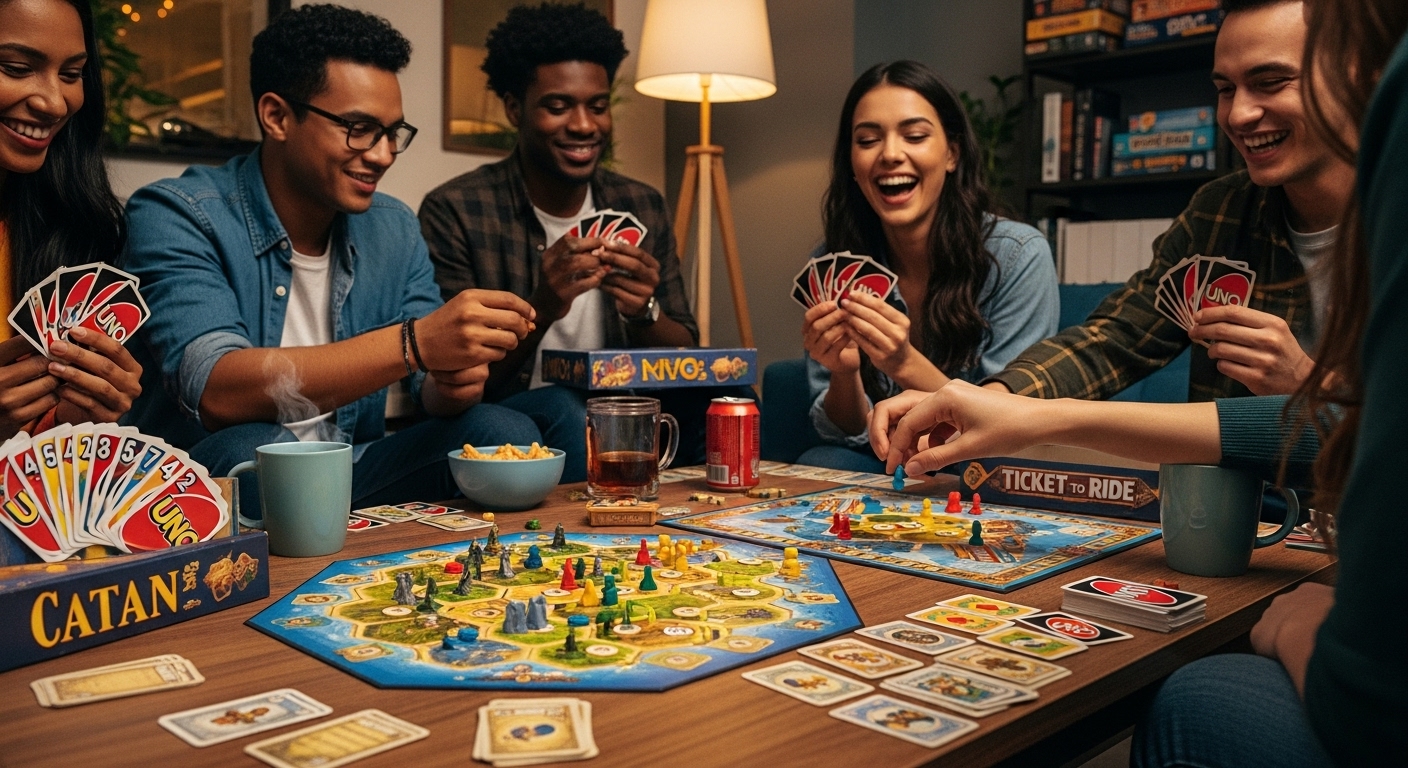
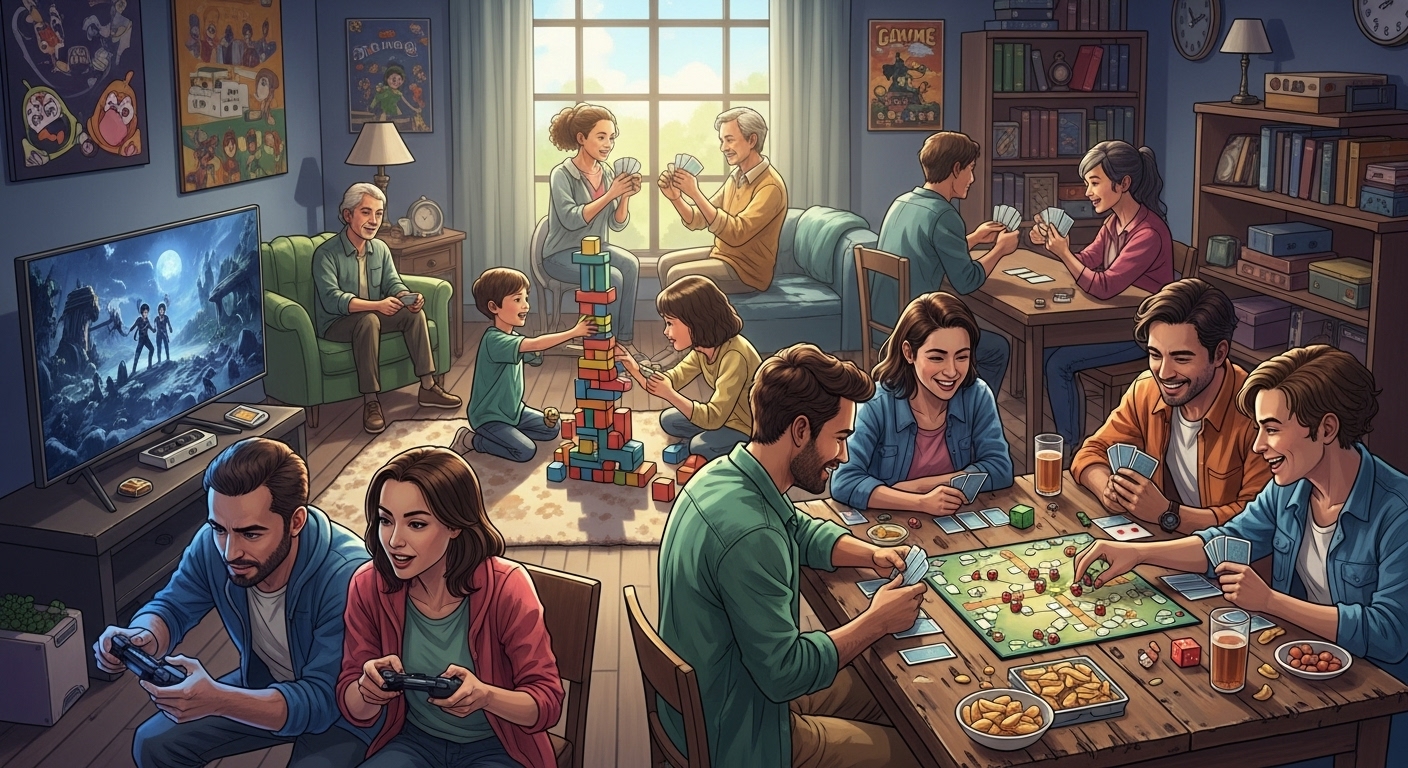
In the ever-evolving world of entertainment, one medium has captured the imagination of millions worldwide — games. From the simple board games of childhood to the expansive virtual universes of today’s digital landscape, games have become an integral part of human culture. Whether played on a mobile device, a console, or a computer, gaming offers a rich, immersive experience that goes beyond mere entertainment. It has become a driving force in the entertainment industry, blending art, technology, and storytelling into experiences that are as varied as they are captivating. This blog post takes a deep dive into the role of games in modern society, exploring how they have evolved, the types of games that exist today, and what makes them such a compelling form of entertainment.
The Evolution of Gaming: From Simple Beginnings to Complex Worlds
The roots of gaming can be traced back to ancient civilizations, where games were used as tools for entertainment and strategy. Games like chess, backgammon, and mancala have been played for thousands of years. These early games were based on simple rules and were often used to teach strategic thinking or provide leisure. However, it wasn’t until the 20th century that gaming, as we know it today, began to take form.
In the 1950s and 1960s, computer technology started to advance, and games were born from this newfound ability to process information. Simple games like “Spacewar!” and “Pong” appeared in the early days of arcade gaming, sparking the public’s interest. The 1980s saw the rise of iconic gaming consoles, such as the Nintendo Entertainment System (NES) and the Sega Genesis, as well as arcade games that became cultural landmarks like Pac-Man and Donkey Kong. These games were revolutionary at the time, introducing new graphics, sound, and gameplay mechanics that kept players engaged for hours.
As technology continued to advance, gaming took another leap forward in the 1990s with the introduction of 3D graphics, more immersive storylines, and online multiplayer features. The 2000s saw the rise of online gaming, with titles like World of Warcraft, Halo, and The Sims drawing millions of players into their virtual worlds. Today, the gaming industry is a massive global phenomenon, encompassing everything from mobile apps and indie games to major franchises like Fortnite and Call of Duty.
The Various Types of Games: Exploring the Wide Spectrum of Play
The gaming landscape has expanded vastly, and today, there are more types of games than ever before. Each genre offers something different, catering to a wide range of player preferences.
- Action Games: These games are all about fast-paced gameplay and reflex-based challenges. Games like Super Mario, Sonic the Hedgehog, and the Assassin’s Creed series fit into this category. Players are often required to react quickly, making split-second decisions while overcoming physical challenges or enemies.
- Adventure Games: Adventure games focus on storytelling and exploration. Players often navigate through detailed environments, solving puzzles and interacting with characters. Iconic adventure games include titles like The Legend of Zelda, Tomb Raider, and Uncharted. These games combine action with narrative, immersing players in fantastic worlds where every choice matters.
- Role-Playing Games (RPGs): RPGs are among the most beloved genres, allowing players to step into the shoes of a character and experience a unique story. These games often involve leveling up, improving abilities, and making choices that affect the story’s outcome. Classic RPGs like Final Fantasy, The Elder Scrolls series, and more recent games like The Witcher 3 offer expansive worlds and intricate plots.
- Simulation Games: Simulation games aim to replicate real-world experiences, whether it’s managing a city, running a farm, or simulating life itself. Popular games like The Sims, SimCity, and Animal Crossing let players create and manage virtual worlds with great attention to detail.
- Strategy Games: Strategy games require players to think critically, planning their moves and managing resources. Whether it’s real-time strategy (RTS) games like StarCraft or turn-based strategy (TBS) games like Civilization, these games reward careful planning and long-term thinking.
- Sports and Racing Games: These games simulate real-world athletic competitions or races. Titles like FIFA, NBA 2K, and Gran Turismo offer players the chance to experience the excitement of sports or high-speed races without leaving their living rooms.
- Multiplayer Online Games: One of the biggest trends in gaming today is the rise of multiplayer online games. Games like Fortnite, League of Legends, and Call of Duty offer a social experience, allowing players to compete with or against others from around the world in real-time. These games often feature cooperative or competitive elements, with players teaming up or battling for dominance.
Why Do We Play Games? The Psychological Appeal of Gaming
Gaming is more than just a pastime; it’s an experience that fulfills various psychological needs. Understanding why people are so drawn to games can shed light on why gaming has become such a popular global activity.
- Escapism: One of the most powerful reasons people play games is to escape reality. Games offer players a chance to step into a different world, one where they can be heroes, adventurers, or creators. For many, this provides a much-needed break from the stresses of everyday life.
- Achievement and Progression: Many games are designed to reward players with achievements, experience points, and leveling up. This sense of progression can be highly satisfying, as players work toward mastering new challenges or unlocking new content.
- Social Interaction: Multiplayer games, in particular, foster social interaction. Whether cooperating with friends or competing against strangers, online gaming offers players a sense of community. Many players form lasting friendships through gaming, with virtual spaces often becoming social hubs.
- Challenge and Mastery: Games often present challenges that require skill, strategy, and perseverance. The feeling of overcoming difficult obstacles and mastering complex systems is rewarding. Many gamers enjoy the sense of accomplishment that comes with improving their gameplay over time.
- Creativity and Expression: In many games, players are given the tools to express their creativity. Whether it’s building structures in Minecraft or designing a character in an RPG, gaming allows individuals to create and personalize their experiences.
The Impact of Gaming on Modern Society
Gaming has had a profound impact on modern society, influencing everything from culture to economics.
- Cultural Influence: Games have become an integral part of popular culture. Iconic characters like Mario, Sonic, and Link are cultural icons, and game franchises like The Legend of Zelda and Final Fantasy have inspired movies, TV shows, and merchandise. Gaming has also fostered a vibrant subculture, with conventions, fan art, and cosplay communities.
- Economic Power: The gaming industry is a massive economic force. In 2020, the global gaming market was valued at over $159 billion, surpassing the combined revenues of the film and music industries. With the rise of esports, game development, and streaming platforms like Twitch and YouTube, gaming is a multi-faceted industry that creates jobs and drives innovation.
- Esports and Professional Gaming: Esports has emerged as a major segment of the gaming industry. Competitive gaming attracts millions of viewers and offers players the opportunity to earn substantial incomes through tournaments, sponsorships, and streaming. Games like League of Legends, Counter-Strike, and Dota 2 have cultivated global fan bases, and esports organizations now rival traditional sports teams in terms of audience size and financial backing.
- Education and Training: Beyond entertainment, games have proven to be valuable educational tools. Educational games teach subjects ranging from math and science to history and language. Games like Minecraft have been used in classrooms to promote creativity and teamwork, while simulations are employed to train professionals in fields like aviation and medicine.
- Mental Health and Wellbeing: While excessive gaming can be harmful, research has also shown that gaming can have positive effects on mental health. Many games promote relaxation, stress relief, and cognitive stimulation. Games that require problem-solving and strategy have been shown to improve brain function, and multiplayer games can foster a sense of connection and reduce feelings of loneliness.
The Future of Gaming: What Lies Ahead?
As technology continues to evolve, so too will the gaming experience. Several trends point toward a bright future for the gaming industry.
- Virtual and Augmented Reality: The development of virtual and augmented reality will offer even more immersive gaming experiences. With VR headsets becoming more accessible, games are moving toward fully immersive worlds that allow players to interact in ways that were previously unimaginable.
- Cloud Gaming: The rise of cloud gaming will change the way games are distributed and played. With platforms like Google Stadia and Xbox Cloud Gaming, players will be able to stream games directly to their devices without the need for expensive hardware. This could make gaming more accessible to a wider audience.
- Artificial Intelligence: AI will continue to play a significant role in gaming, from creating smarter non-player characters (NPCs) to personalizing the gaming experience. AI can adapt to player behavior, making each gaming session unique and tailored to individual preferences.
- Cross-Platform Play: Cross-platform gaming is becoming more common, allowing players on different consoles, PCs, and mobile devices to play together. This will further enhance the social aspects of gaming and create more inclusive gaming environments.
Conclusion
Gaming has come a long way from its humble beginnings, evolving into a global phenomenon that encompasses a wide range of genres and experiences. It has shaped culture, brought people together, and provided a rich source of entertainment, education, and social connection.