Introduction
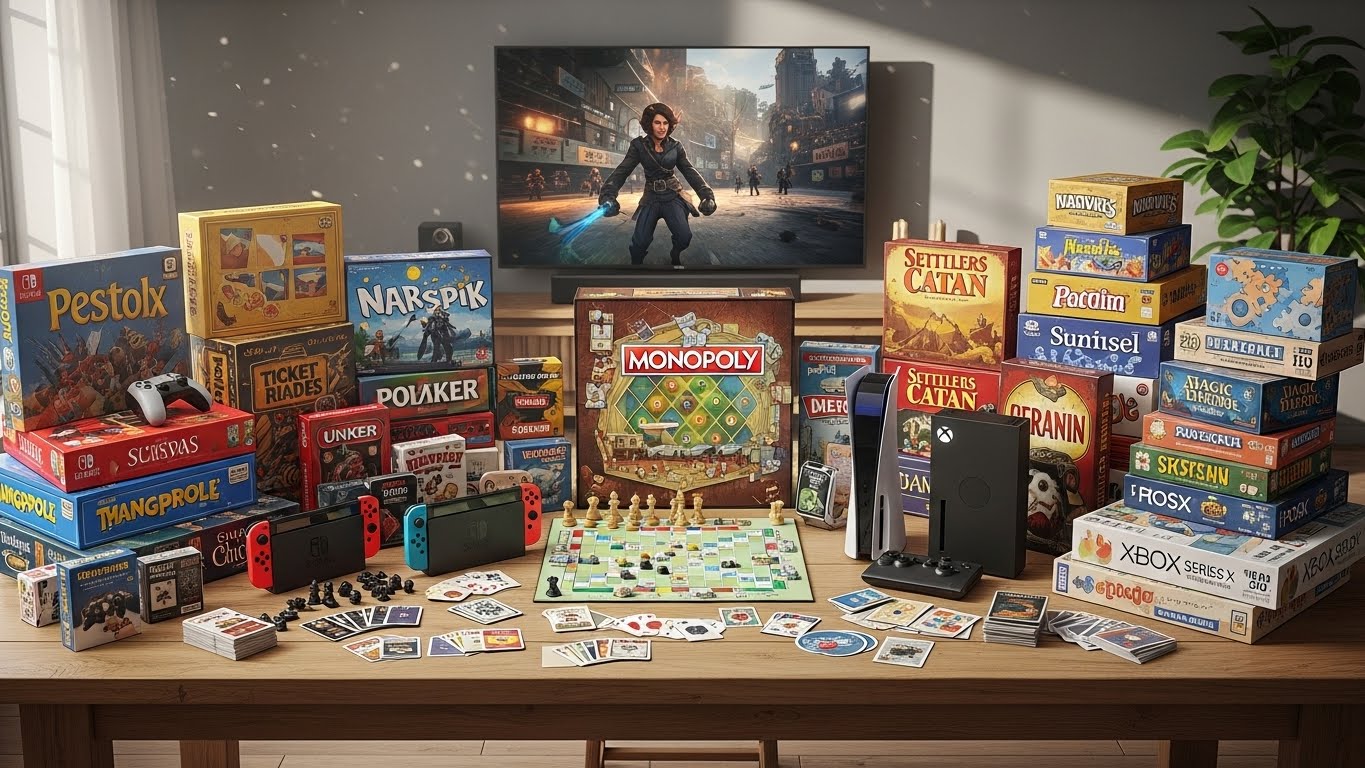
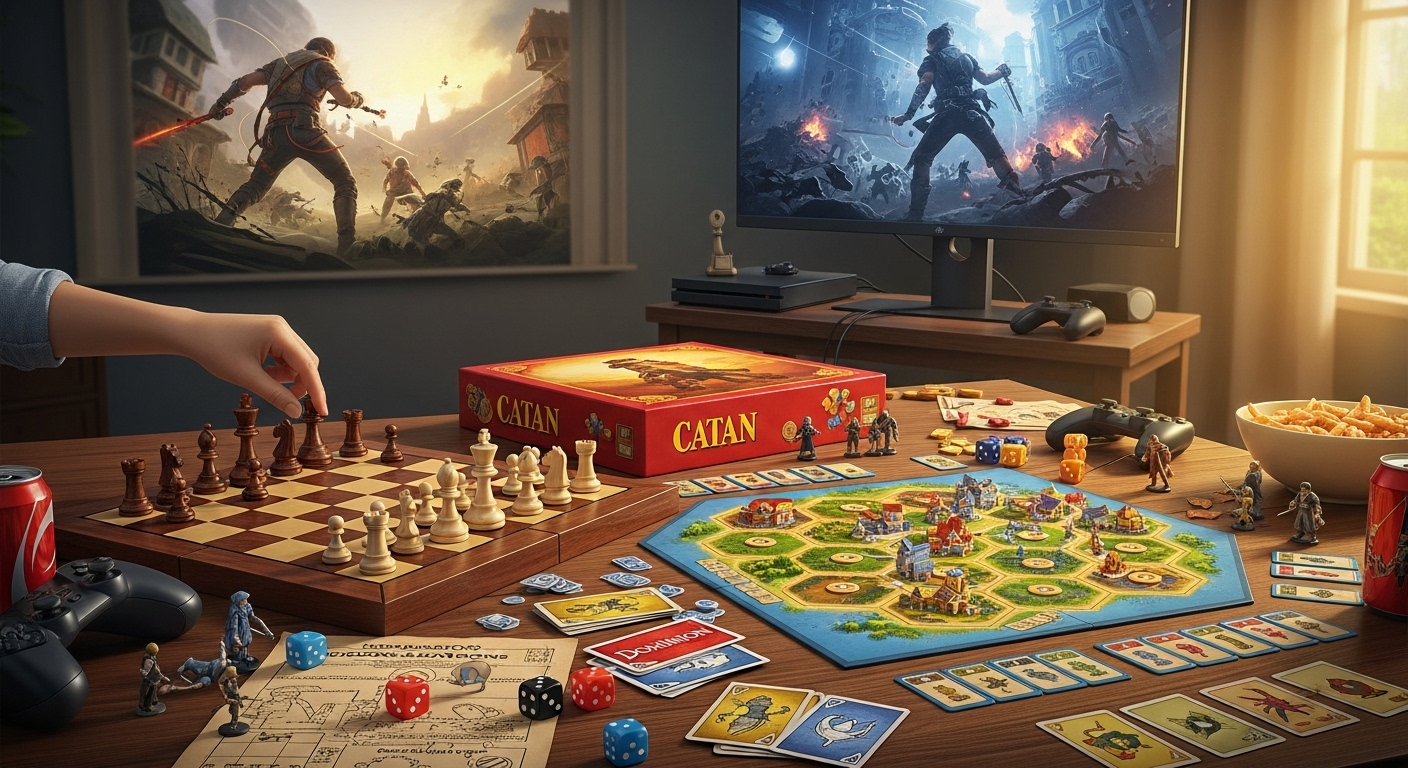
The world of gaming has come a long way from its humble beginnings as simple pastimes played by children and adults alike. Over the past few decades, gaming has transformed into a global industry, becoming a significant part of modern entertainment culture. What started as a few pixels on a screen has now evolved into vast, immersive digital worlds where millions of people across the globe connect, compete, and explore together. Video games, mobile games, and even traditional board games continue to capture the imagination of people of all ages, and the gaming industry itself has expanded into an economic powerhouse. In this blog, we’ll explore the evolution of games, the technological advancements that have shaped them, and how they have influenced not just entertainment, but culture, society, and even education.
The Humble Origins of Gaming
Before the digital age, games were an essential part of social and recreational life. Board games like chess, checkers, and Go, as well as card games such as poker and bridge, were some of the earliest forms of structured entertainment. These games required strategy, focus, and sometimes luck, and they brought people together for both socialization and competition. They laid the groundwork for the core principles of modern gaming: rules, engagement, challenge, and reward.
When the first video games emerged in the 1950s and 1960s, they were simple experiments in interactive entertainment. Games like “Tennis for Two” and “Spacewar!” were created by researchers and programmers as technical exercises rather than commercial products. These early games were far from the immersive experiences we know today, but they marked the beginning of what would become one of the largest entertainment industries in the world.
The Rise of Video Games
In the 1970s, video games began to emerge in arcades, with titles such as Pong and Space Invaders capturing the public’s attention. These early arcade games were simple but addictive, relying on the player’s skill and reflexes to achieve high scores. Pong, created by Atari in 1972, became one of the first commercially successful video games, introducing the concept of arcade gaming to the masses. At the same time, home consoles like the Atari 2600 brought video gaming into households, allowing people to enjoy games like Pac-Man, Donkey Kong, and Space Invaders from the comfort of their own living rooms.
The 1980s marked a period of rapid growth for the gaming industry. Video game graphics and sound improved, and the complexity of the games increased. During this time, iconic characters like Mario, created by Nintendo in 1985, began their rise to fame. The success of the Nintendo Entertainment System (NES) in the mid-1980s solidified the console gaming market and set the stage for the gaming industry to become a major player in the entertainment world.
The 1990s and the Advent of 3D Gaming
The 1990s saw a major leap forward in gaming technology, particularly with the advent of 3D graphics. With the release of consoles like the Sony PlayStation and the Nintendo 64, games began to evolve from 2D side-scrolling adventures to fully immersive 3D worlds. Games like Super Mario 64, The Legend of Zelda: Ocarina of Time, and Final Fantasy VII are often cited as landmark titles in the transition to 3D gaming, offering expansive worlds, intricate narratives, and more complex gameplay mechanics.
The success of these games marked a turning point in the gaming industry. The 1990s also saw the rise of multiplayer gaming, both locally and over the internet. Early online gaming experiences like Doom and Quake laid the foundation for the future of online multiplayer games, where players could compete or cooperate in virtual spaces from across the world.
The 2000s: Expanding Horizons
The early 2000s was a transformative period for gaming, with technology continuing to evolve and broadening the scope of what games could offer. The introduction of consoles like the PlayStation 2, Xbox, and Nintendo GameCube led to more powerful hardware, enabling developers to create games with improved graphics, better AI, and more complex narratives.
At the same time, the rise of the internet and broadband connectivity revolutionized the gaming experience. Online multiplayer games like World of Warcraft and Halo 2 ushered in a new era of social gaming, where players could interact with others in vast virtual worlds. These games built thriving online communities, offering an unprecedented level of social interaction, and establishing gaming as a globally connected social activity.
The 2000s also saw the rise of casual gaming, with titles like The Sims and FarmVille attracting a broader, more diverse audience to the gaming world. These games introduced simpler mechanics and more accessible gameplay, helping to expand gaming beyond traditional hardcore gamers to include people of all ages and backgrounds.
The Mobile Revolution
By the late 2000s and early 2010s, smartphones and tablets had become ubiquitous, leading to the rise of mobile gaming. The launch of the Apple App Store and Google Play Store opened up a new world of gaming possibilities, allowing developers to create games for a platform that was available to billions of people worldwide. Games like Angry Birds, Clash of Clans, and Candy Crush became global phenomena, demonstrating the power of mobile devices to deliver entertaining and addictive gaming experiences.
Mobile gaming’s success is largely due to its accessibility and simplicity. Players could download and play games in a matter of minutes, without the need for expensive hardware or specialized knowledge. Games on mobile platforms continue to evolve, with more sophisticated titles like Genshin Impact and PUBG Mobile offering console-quality experiences on a small device.
The Growth of Esports
Esports, or competitive video gaming, has exploded in popularity in recent years. What began as a niche community has now become a global phenomenon, with professional leagues, tournaments, and sponsorships bringing esports into the mainstream. Titles like League of Legends, Dota 2, and Fortnite have turned gaming into a spectator sport, with millions of viewers tuning in to watch players compete for huge prize pools.
The rise of esports has also led to the development of dedicated esports organizations, professional players, and large-scale events like the League of Legends World Championship and The International for Dota 2. These events draw massive audiences, both in-person and online, and have helped to solidify esports as a legitimate form of entertainment, akin to traditional sports like football or basketball.
The Role of Storytelling in Modern Games
In recent years, there has been a growing focus on storytelling in video games. While many early games were primarily focused on gameplay mechanics, today’s games offer rich narratives, complex characters, and emotional depth. Franchises like The Last of Us, Red Dead Redemption, and BioShock have demonstrated the power of video games to tell compelling stories that rival those found in movies or literature.
This shift toward narrative-driven games has been enabled by advances in technology, particularly in terms of graphics and voice acting. The ability to create highly detailed characters and lifelike environments has allowed developers to craft immersive worlds that players can lose themselves in. The combination of engaging gameplay and deep storytelling has elevated gaming into a form of art, offering experiences that can move and inspire players on a personal level.
The Future of Gaming
As we look to the future, the world of gaming continues to evolve rapidly. Emerging technologies such as virtual reality (VR) and augmented reality (AR) are pushing the boundaries of what games can be. VR systems like the Oculus Rift and PlayStation VR offer players the opportunity to step into virtual worlds and interact with them in new and exciting ways, while AR games like Pokémon Go have shown how digital elements can be integrated into the real world.
Cloud gaming is another development that promises to revolutionize the industry. With platforms like Google Stadia and Microsoft’s xCloud, players can stream games directly to their devices without the need for powerful hardware. This opens up the possibility of playing high-quality games on devices like smartphones, tablets, and even smart TVs, making gaming more accessible to a wider audience.
In addition to these technological advancements, we can expect to see even greater integration of social and multiplayer elements in games. The rise of cross-platform play, where players on different consoles or devices can play together, is making gaming more inclusive and connected. It’s likely that the future of gaming will see even more emphasis on collaboration, community, and shared experiences.
Conclusion
From simple dice games to immersive virtual universes, gaming has evolved in remarkable ways over the past several decades. Technological advancements, shifting cultural trends, and the increasing popularity of online and mobile gaming have all played a role in transforming games from a niche hobby into a global industry.
Today, gaming is an integral part of modern entertainment, culture, and even education. It engages players not only through challenging gameplay but also through rich narratives, social interaction, and opportunities for creative expression. Whether it’s through a mobile puzzle game or a competitive esports tournament, games offer something for everyone.
As the industry continues to innovate and push boundaries, there’s no telling where the future of gaming will take us. What’s certain is that games will continue to be a key part of how we connect, entertain, and engage with the world.