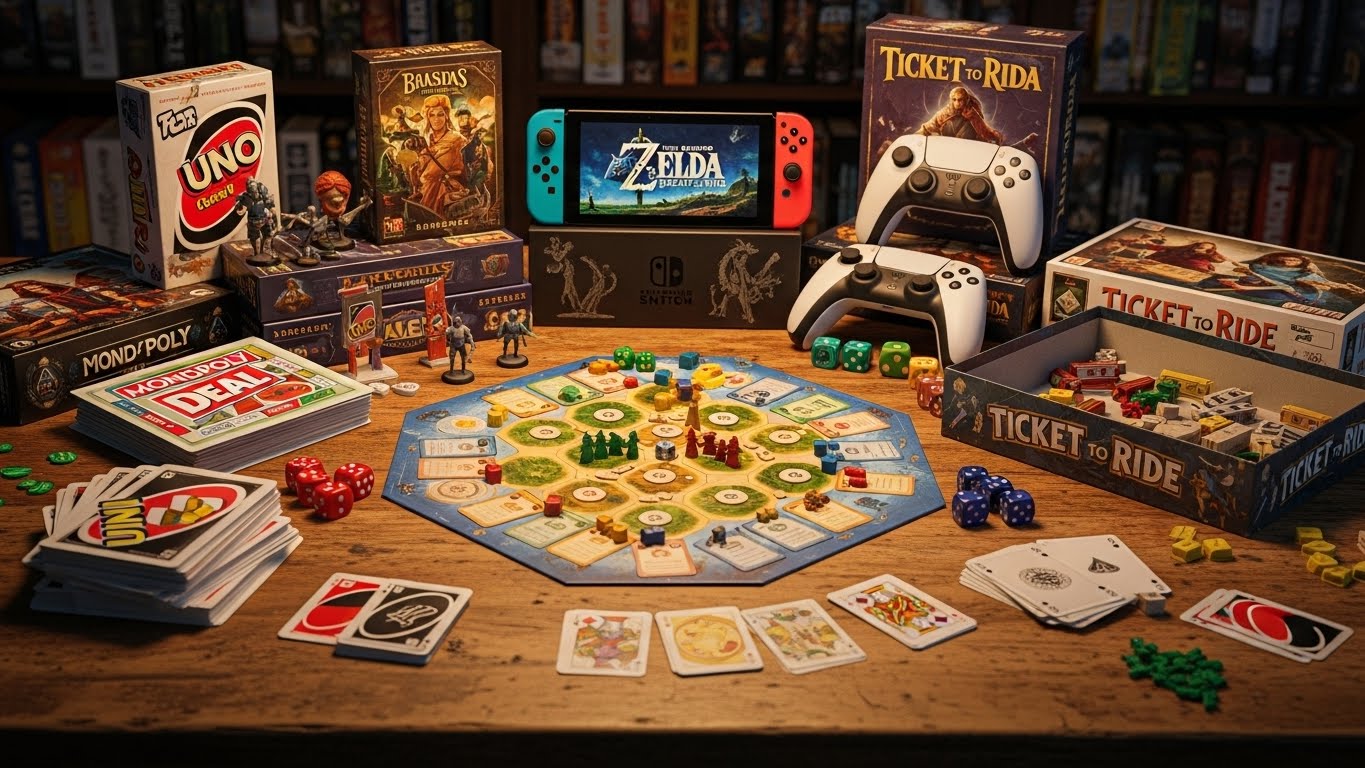
Video games have evolved into more than just a pastime—they have become an integral part of modern culture, influencing everything from technology to social dynamics. In the early days, games were a niche hobby enjoyed by a select group, but today, gaming has become a global phenomenon, with millions of people around the world playing games in various forms. From early pixelated classics to the sophisticated, immersive experiences of modern titles, the gaming industry has undergone an extraordinary transformation.
In this blog post, we will explore the history of video games, their impact on society, the rise of esports, the role of technology in shaping gaming, and the future of this ever-expanding medium. Whether you’re a seasoned gamer or a casual player, understanding the evolution of gaming offers insight into its lasting influence on culture and entertainment.
The Early Days: From Arcade to Console
The history of video games can be traced back to the 1950s and 1960s when computer scientists and engineers began experimenting with interactive entertainment. The first commercially successful arcade game, Pong (1972), developed by Atari, was a breakthrough. It was simple, addictive, and offered an experience that many had never encountered before. This was the beginning of a cultural shift, where the concept of playing games electronically became not only possible but also popular.
During the late 1970s and early 1980s, arcades became the hubs of entertainment for many teenagers. Iconic titles like Space Invaders, Pac-Man, and Donkey Kong hit the scene, captivating audiences with their engaging gameplay, colorful visuals, and sound effects. As these games became more advanced and widespread, it marked the start of what we now know as the video game industry.
At the same time, home consoles were emerging as an alternative to arcade games. In 1977, Atari released the Atari 2600, which allowed players to enjoy arcade-quality games at home. This innovation opened up a new era in gaming, where families could engage in entertainment together in the comfort of their living rooms. It also paved the way for future gaming consoles like the Nintendo Entertainment System (NES), which hit the market in 1985 and revolutionized home gaming.
The Golden Age of Gaming: The 1990s
The 1990s are often regarded as the golden age of gaming. This was the decade when video games truly began to enter the mainstream, not only as a hobby but also as a form of art and cultural expression. With the release of consoles like the Sega Genesis and Sony PlayStation, games became more complex, with better graphics, deeper narratives, and more engaging gameplay.
One of the most significant developments in this era was the rise of 3D graphics. Games like Super Mario 64 (1996) and The Legend of Zelda: Ocarina of Time (1998) demonstrated the possibilities of fully immersive 3D environments. These games set new standards for gameplay and storytelling, showcasing the potential of video games as interactive media.
The 1990s also saw the emergence of some of the most iconic game franchises that are still relevant today. Titles like Final Fantasy VII (1997), The Elder Scrolls II: Daggerfall (1996), and Halo: Combat Evolved (2001) would go on to define entire genres and leave a lasting legacy. The world of gaming was expanding beyond simple action games to encompass role-playing games (RPGs), real-time strategy games, and first-person shooters (FPS).
The Rise of Online Gaming and the Birth of Esports
In the late 1990s and early 2000s, the internet became widely accessible, giving rise to online gaming. Multiplayer experiences were no longer confined to local connections, as players could now battle, cooperate, and communicate in real-time with others across the globe. Games like Diablo II (2000) and Warcraft III (2002) were some of the first to offer seamless online multiplayer modes, setting the stage for a new era in gaming.
One of the most significant outcomes of the rise of online gaming was the birth of esports. Competitive gaming, once a small community event, evolved into a billion-dollar industry with professional leagues, tournaments, and sponsorships. Games like StarCraft (1998), League of Legends (2009), and Counter-Strike (2000) became the backbone of the esports scene, drawing massive audiences both online and in stadiums. In particular, League of Legends has become a global sensation, with the annual World Championship regularly attracting millions of viewers worldwide.
Esports has become an industry in its own right, with top players earning millions of dollars in prize money and endorsements. Professional gaming teams are sponsored by major brands, and streaming platforms like Twitch have made it possible for fans to watch their favorite gamers in real-time. The growth of esports also helped bridge the gap between gaming and traditional sports, with esports athletes now being recognized and celebrated in much the same way as professional athletes.
The Technological Evolution: Graphics, AI, and Virtual Reality
As gaming technology progressed, so did the sophistication of game design. The early limitations of hardware, which once restricted the visual quality and gameplay complexity of games, were slowly overcome. The development of more powerful gaming consoles, like the PlayStation 3 and Xbox 360, enabled game developers to create more realistic, graphically stunning games.
One of the major breakthroughs came in the form of artificial intelligence (AI). Games like The Sims (2000) and Fable (2004) introduced AI that allowed characters to react and adapt to the player’s actions, creating a dynamic and immersive experience. As AI technology advanced, game worlds became more realistic, and NPC (non-playable character) interactions grew more complex.
Another major technological leap was the introduction of virtual reality (VR) and augmented reality (AR) gaming. VR allows players to enter fully immersive 3D worlds using headsets, such as the Oculus Rift or HTC Vive. Titles like Beat Saber (2018) and Half-Life: Alyx (2020) showcased the potential of VR gaming, offering experiences that went far beyond traditional screen-based gaming.
Meanwhile, AR games like Pokémon Go (2016) allowed players to interact with the real world while incorporating virtual elements. This innovative approach to gaming brought a new layer of immersion, blending physical and digital spaces.
The Mobile Revolution: Gaming in the Palm of Your Hand
The early 2000s also saw the rise of mobile gaming, particularly with the advent of smartphones. The release of Apple’s iPhone in 2007 revolutionized mobile entertainment, allowing developers to create complex, high-quality games that could be played on the go. Games like Angry Birds (2009) and Candy Crush Saga (2012) became massive hits, drawing millions of players and generating billions in revenue.
Mobile gaming was a game-changer in many ways. It democratized gaming, making it accessible to people who might not have had access to dedicated gaming consoles or PCs. Free-to-play models, in-app purchases, and social integration have also transformed how games are designed and monetized. The popularity of mobile games has expanded the gaming audience to include a broader demographic, including casual players and older generations.
Gaming and Society: Cultural Influence and Representation
Beyond the technological advancements and gameplay innovations, video games have also had a profound impact on culture and society. The gaming industry has become a cultural powerhouse, influencing art, music, film, and even politics. Many video games now feature complex, narrative-driven experiences that explore deep philosophical and emotional themes, blurring the lines between traditional forms of media like literature and film.
Representation in gaming has also been a major area of focus. In the past, video games were often criticized for their lack of diversity in terms of characters and storylines. However, in recent years, there has been a growing push for more inclusive representation in games. Titles like The Last of Us Part II (2020) and Overwatch (2016) have been praised for their diverse casts, tackling issues like LGBTQ+ representation, race, and gender equality.
Gaming has also become a social space for people to connect, interact, and form communities. Online multiplayer games allow people to build friendships, share experiences, and compete against each other. The rise of game streaming platforms like Twitch has given gamers a platform to showcase their skills and personalities to a global audience, further solidifying the role of gaming as a social activity.
The Future of Gaming: New Frontiers and Possibilities
Looking to the future, the possibilities for gaming seem limitless. As technology continues to advance, video games are set to become even more immersive, interactive, and personalized. Virtual and augmented reality will likely become even more integrated into mainstream gaming, offering players experiences that feel more like real life.
Artificial intelligence will continue to play a crucial role in shaping game design. With the development of AI-driven storytelling and procedural generation, games will be able to offer highly dynamic, individualized experiences that adapt to the player’s actions and decisions.
Cloud gaming is another exciting development. Services like Google Stadia and Microsoft’s xCloud are paving the way for a future where players can access high-quality games on any device, without the need for powerful hardware. This could potentially level the playing field for gamers, making high-end gaming more accessible to a broader audience.