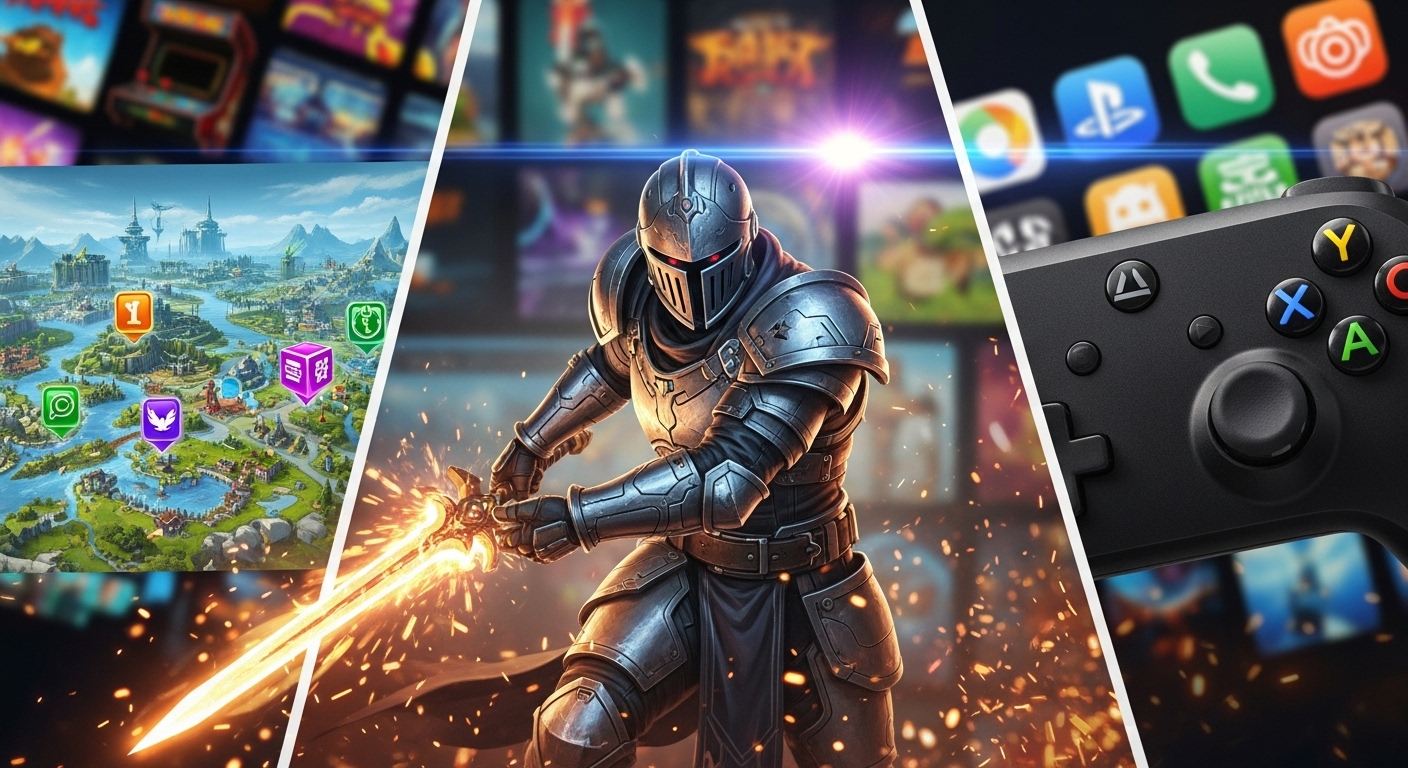
Introduction: Games as a Window to Creativity
Games have come a long way from their early beginnings as simple pastimes. Today, they are complex, immersive experiences that entertain, challenge, and even teach. Games are no longer just about passing time—they are platforms for creativity, social connection, and personal growth. From board games and card games to video games and mobile apps, games influence culture, technology, and the way people interact with one another.
The essence of games lies in their ability to engage the human mind. They provide challenges, rewards, and opportunities to explore new worlds. In this blog, we will examine how games shape imagination, foster community, and continue to evolve as a powerful form of entertainment.
The Evolution of Games: From Traditional to Digital
Games have existed for thousands of years. Ancient civilizations played board games, dice games, and strategic contests that tested intelligence, strategy, and luck. Traditional games such as chess, Go, and Mancala not only entertained but also served as tools for teaching strategy and problem-solving.
With technological advancements, digital games emerged, offering entirely new experiences. Early video games, with their simple graphics and mechanics, captured players’ imaginations. Over the years, games evolved into complex simulations, interactive stories, and massive multiplayer online experiences. Today’s games offer photorealistic visuals, rich narratives, and expansive worlds where players can explore, compete, and create. The evolution of games demonstrates the human desire for engagement, challenge, and immersive storytelling.
Games as Interactive Storytelling
One of the most unique aspects of games is their ability to tell stories interactively. Unlike books or movies, where the audience is passive, games allow players to influence the outcome. Player decisions can change character relationships, narrative paths, and even entire worlds.
Modern story-driven games tackle themes such as morality, identity, friendship, and sacrifice. Players step into the shoes of the protagonist, making choices that can lead to multiple endings. This interactivity creates a deep emotional connection, as players are responsible for the consequences of their actions. Games as storytelling tools allow people to experience narratives in ways that are personal, immersive, and memorable.
The Social Dimension of Games
Games are inherently social. Multiplayer games, online communities, and cooperative experiences connect people across the globe. Players form teams, join guilds, and collaborate to achieve objectives. These interactions build friendships, encourage communication, and teach teamwork.
Gaming communities extend beyond the screen. Players share tips, strategies, fan art, and creative content. Social media and streaming platforms amplify these connections, allowing people to celebrate achievements and discuss shared experiences. Games create a sense of belonging, showing that entertainment can also be a platform for connection and collaboration.
Competitive Gaming and Esports
Competitive gaming, or esports, has transformed games into professional arenas. Players dedicate hours to honing skills, mastering strategies, and perfecting teamwork. Major tournaments attract millions of spectators and offer prize pools rivaling traditional sports.
Esports has also created careers beyond professional play. Coaches, analysts, content creators, and event organizers all contribute to a thriving ecosystem. The rise of competitive gaming demonstrates that games are not just for fun—they require skill, dedication, and mental agility. Esports has legitimized gaming as a profession and opened doors for players worldwide.
Cognitive and Educational Benefits of Games
Games are not only entertaining—they also strengthen cognitive skills. Puzzle games and strategy titles improve problem-solving, memory, and analytical thinking. Fast-paced action games train reflexes and attention to detail. Multiplayer and cooperative games enhance communication, decision-making, and leadership skills.
Educational games have proven especially valuable. They make learning interactive and engaging, turning complex subjects into fun challenges. From history and mathematics to coding and language skills, games provide immersive experiences that promote critical thinking and creativity. This demonstrates that games can combine entertainment with learning effectively.
Emotional and Psychological Impact
Games offer emotional benefits as well. Achieving difficult objectives or completing challenging levels provides a sense of accomplishment and satisfaction. Players experience failure and success in a controlled environment, which teaches resilience and patience.
Games also provide relaxation and stress relief. Many people use gaming to escape daily pressures and immerse themselves in engaging worlds. Cooperative games can foster empathy, as players work together toward common goals, learning to support teammates and navigate social dynamics. The psychological impact of games shows that they are not merely diversions—they can positively influence mental health and well-being.
Creativity and Self-Expression Through Games
Many games encourage creativity and self-expression. Sandbox games, world-building titles, and role-playing games allow players to design characters, construct environments, and craft stories. Players experiment with architecture, art, and narrative in ways that reflect personal style and imagination.
Fans of games often create derivative content as well. Fan art, music, stories, and cosplay are all inspired by games, showing that gaming extends creativity beyond the screen. Games provide both a platform and a medium for self-expression, empowering individuals to share their vision and imagination with others.
Exploring Identity Through Games
Role-playing games, in particular, allow players to explore identity. Characters can be customized in appearance, abilities, and moral choices, offering a space to experiment with different personas. This exploration can be empowering, giving players confidence and insight into themselves.
Games allow people to step into experiences they might not encounter in real life, exploring perspectives and moral dilemmas. This exploration of identity and decision-making highlights how games contribute to personal growth and understanding of human behavior.
Open Worlds and the Joy of Exploration
Open-world games provide players with freedom and autonomy. Unlike linear games, open-world titles let players explore vast environments at their own pace. They can discover hidden locations, uncover side stories, and interact with dynamic systems.
Exploration stimulates curiosity and problem-solving. Players make their own paths, creating unique experiences that differ from one player to another. This freedom enhances immersion and reinforces the idea that games are not just about reaching a destination—they are about the journey itself.
Games and Cultural Influence
Games reflect and shape culture. They introduce players to different histories, traditions, and perspectives. Storylines, art, and music within games can highlight social issues, spark discussions, and influence real-world trends.
Gaming also fosters global connections. Players from different countries share experiences, creating communities that transcend cultural boundaries. Games have become a cultural bridge, connecting people through shared experiences, creativity, and entertainment.
Virtual Reality and the Future of Gaming
Virtual reality is taking gaming to new heights. VR allows players to immerse themselves in fully interactive worlds, manipulating objects and experiencing environments in ways traditional games cannot replicate. Motion tracking, haptic feedback, and 360-degree visuals create unprecedented levels of immersion.
As VR technology improves, games will become even more sensory and interactive, offering experiences that feel almost indistinguishable from reality. The future of gaming promises worlds where players don’t just play—they exist within them, interacting and shaping experiences as never before.
The Expanding Audience of Games
Games are no longer limited to a specific age or demographic. People of all ages, genders, and backgrounds play games. Children enjoy educational or casual games, adults explore narrative-rich experiences, and older adults engage in games that stimulate cognitive skills.
Inclusivity in gaming has become a priority. Developers now focus on diverse stories, characters, and accessibility options, ensuring that games can be enjoyed by everyone. The expanding audience demonstrates that games are universal, providing enjoyment and engagement for people from all walks of life.
Mobile Gaming and Accessibility
Mobile gaming has made games more accessible than ever. Smartphones allow people to play anytime, anywhere, without needing expensive consoles or computers. Mobile games range from casual puzzles to complex multiplayer experiences, appealing to a wide range of players.
This accessibility has grown the gaming community significantly, introducing millions of new players worldwide. Mobile gaming illustrates how technology can democratize entertainment, allowing people to connect, compete, and create on the go.
The Importance of Balance in Gaming
While games offer countless benefits, moderation is key. Excessive gaming can interfere with sleep, responsibilities, and social interaction. Maintaining balance ensures that gaming remains a healthy, enriching activity.
Balanced gaming involves managing time, taking breaks, and combining gaming with offline experiences. When approached mindfully, games can provide mental stimulation, emotional satisfaction, and social engagement without negative consequences.
Conclusion: Games as a Transformative Medium
Games are more than entertainment—they are a cultural, social, and creative force. They nurture imagination, strengthen communities, enhance cognitive and emotional skills, and provide endless opportunities for personal growth. From open worlds and interactive narratives to competitive esports and virtual reality, games continue to evolve, offering experiences that are both immersive and meaningful.
As technology advances and audiences grow, games will remain a platform for creativity, connection, and discovery. They prove that play is not just a pastime—it is a powerful, transformative part of human life.