Introduction
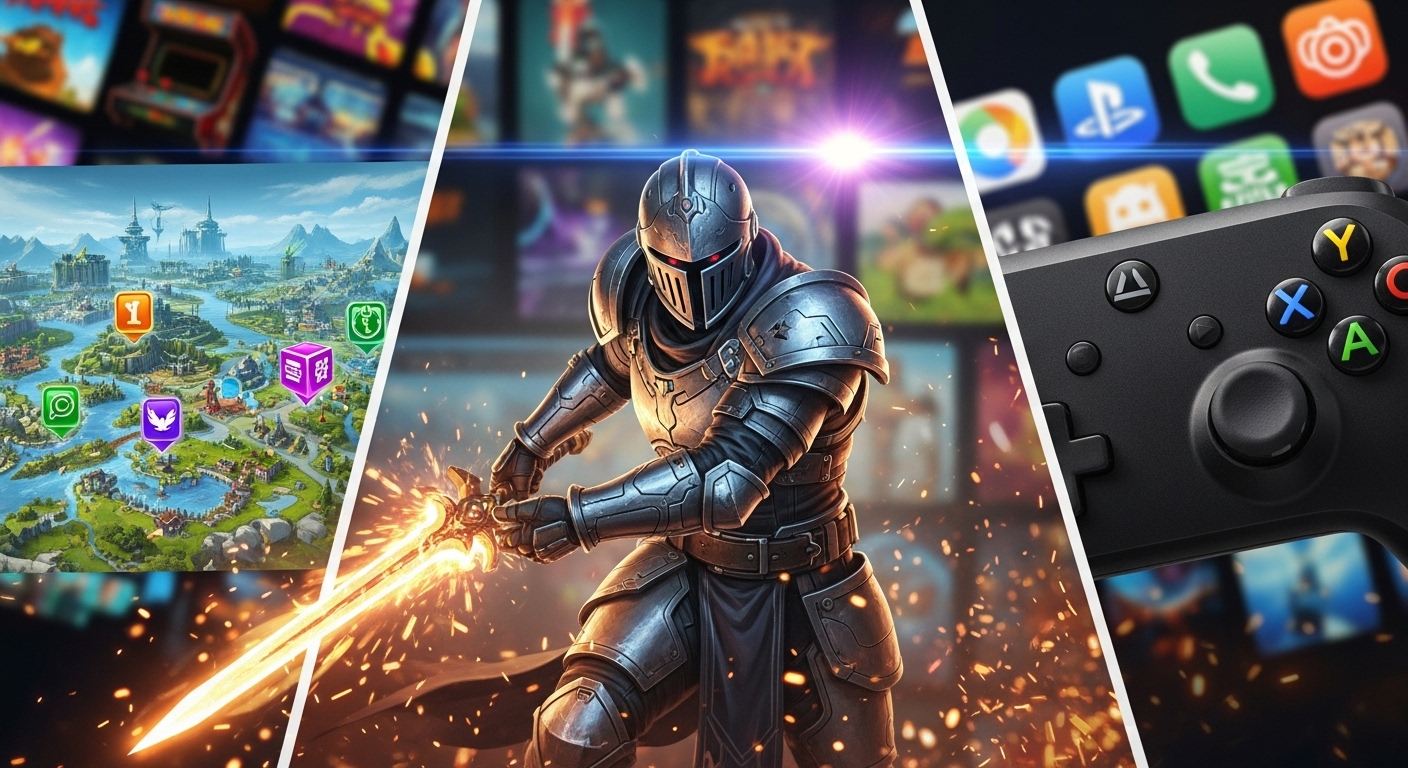
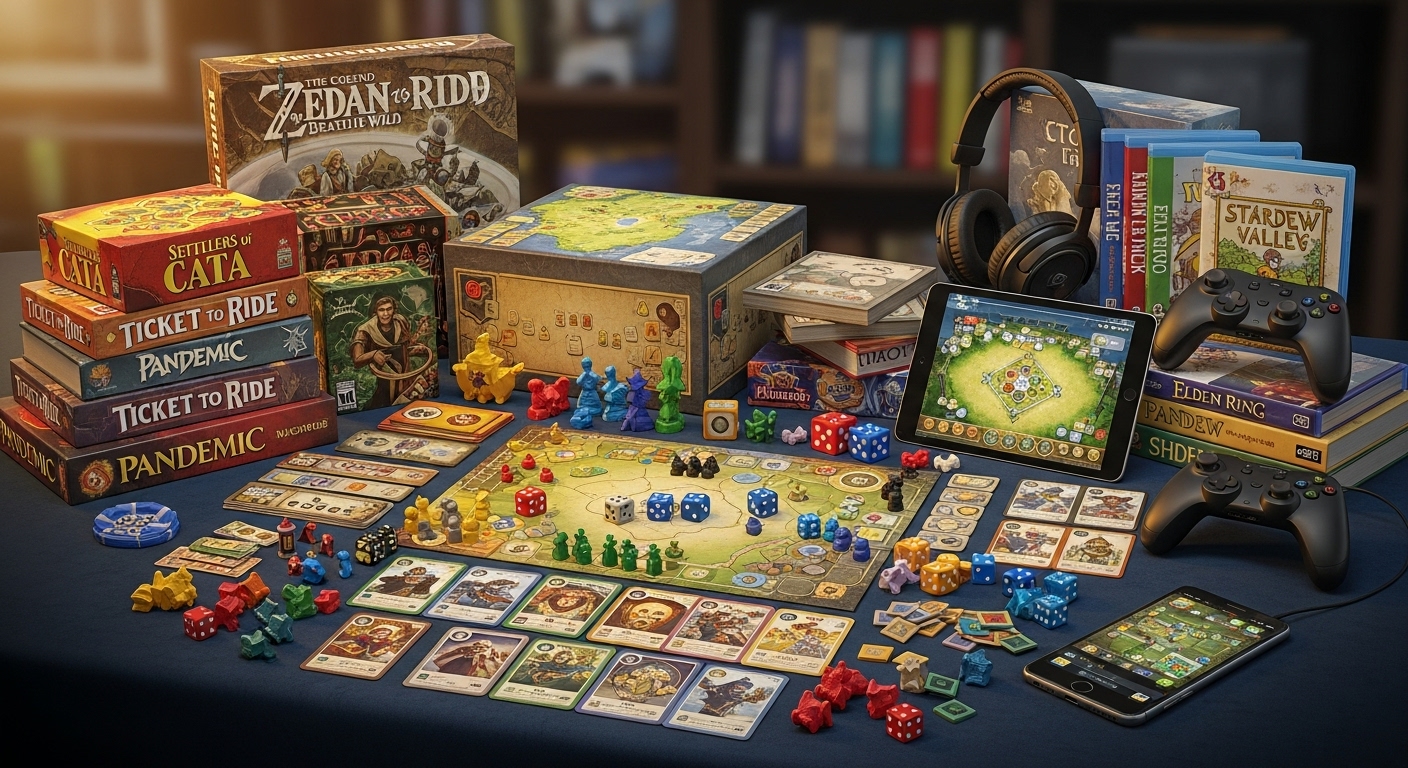
In today’s fast-paced digital age, games have become more than just a form of entertainment. They are powerful tools that influence culture, shape social interactions, and even affect how we think and solve problems. What began as simple pastimes has now evolved into an expansive industry that encompasses everything from mobile games to massively multiplayer online experiences, offering a variety of gaming genres for players of all interests. From childhood nostalgia to professional esports tournaments, the world of gaming has a universal appeal that transcends age, background, and geography. This blog post will explore the evolution of games, their impact on modern society, and why they continue to captivate audiences around the world.
The Early Days of Games: From Boards to Pixels
The concept of gaming is as old as human civilization itself. The earliest forms of games date back to ancient Egypt and Mesopotamia, where people played strategy games like Senet and the Royal Game of Ur. These early games were not only forms of entertainment but also served as educational tools and methods for training in military strategy. Over the centuries, games like chess, Go, and backgammon spread across various cultures, becoming staples of leisure activity.
With the advent of technology in the 20th century, video games were born. The 1950s saw the creation of the first interactive computer-based game, “Tennis for Two,” which was designed to demonstrate the capabilities of an oscilloscope. However, it wasn’t until the 1970s, with the launch of arcade games like Pong, that video games gained popularity among the general public. Pong was a simple, two-player table tennis game, but it was revolutionary in its simplicity and its ability to capture players’ attention. This marked the beginning of the arcade gaming era, where games like Space Invaders, Pac-Man, and Donkey Kong became household names and laid the foundation for the gaming industry we know today.
The Growth of Home Consoles and the Birth of Iconic Franchises
The 1980s and 1990s were transformative decades for the gaming industry, marked by the rise of home consoles. The introduction of the Nintendo Entertainment System (NES) in 1985 brought video gaming to the living room, making it more accessible to a wider audience. This era saw the birth of some of the most iconic gaming franchises in history, including Super Mario, The Legend of Zelda, and Metroid. These games not only introduced players to new worlds but also helped define the gaming experience with their innovative mechanics and rich storytelling.
At the same time, the Sega Genesis and its competitors like the Super Nintendo Entertainment System (SNES) pushed the boundaries of what consoles could do, offering improved graphics, sound, and processing power. This period was pivotal for the development of the gaming industry, as developers began to experiment with new game types and genres. Action-adventure games, platformers, fighting games, and sports titles all flourished, attracting players of all ages.
The 1990s also saw the emergence of 3D gaming. Consoles like the Sony PlayStation and the Nintendo 64 ushered in the era of fully immersive 3D worlds. Games like Super Mario 64, The Legend of Zelda: Ocarina of Time, and Gran Turismo showcased the potential of 3D graphics, offering players vast, open environments to explore. The success of these games pushed developers to think bigger and more creatively, leading to the development of some of the most beloved and influential games in history.
The Rise of Online Gaming and the Social Experience
As technology continued to evolve, the late 1990s and early 2000s saw a major shift in gaming. The rise of the internet enabled the growth of online multiplayer games, forever changing the way people played games. Titles like Doom, Quake, and Command & Conquer introduced competitive multiplayer gaming over local area networks (LANs), giving players the ability to compete against others in real-time.
By the early 2000s, massively multiplayer online role-playing games (MMORPGs) like World of Warcraft and EverQuest offered players the opportunity to explore virtual worlds with thousands of others. These games allowed people to form friendships, join guilds, and embark on epic quests together, creating vibrant online communities. Online gaming became not only a competitive activity but also a social one, with people from all walks of life coming together to share experiences and stories in virtual spaces.
At the same time, competitive gaming began to gain traction. The emergence of esports allowed players to showcase their skills in organized tournaments, drawing large audiences both in person and online. Esports today is a multi-billion-dollar industry, with professional players, sponsorships, and major tournaments like The International for Dota 2 and the League of Legends World Championship attracting millions of viewers.
Mobile Gaming: A Revolution in Accessibility
The 2000s also marked the rise of mobile gaming, driven by the widespread adoption of smartphones and tablets. Mobile games made gaming more accessible than ever before, allowing players to enjoy games on the go. Casual games like Angry Birds, Candy Crush Saga, and FarmVille became instant hits, appealing to a broader demographic that previously may not have considered themselves gamers.
Mobile gaming introduced a new era of accessibility and convenience. Whether waiting for a bus or taking a break at work, players could easily pick up their phones and enjoy a quick gaming session. The simple yet addictive nature of many mobile games made them perfect for casual play, but mobile platforms also allowed for more complex experiences. Games like Monument Valley, PUBG Mobile, and Genshin Impact show that mobile devices are no longer limited to small, casual games but can host expansive, immersive worlds that rival those on consoles and PCs.
The Evolution of Game Genres: Endless Variety for Every Player
Today, the gaming industry offers an unprecedented variety of genres and experiences. Whether you’re looking for fast-paced action, deep storytelling, or a social experience, there’s a game for everyone. Some of the most popular genres include:
- Action Games: These games focus on fast-paced, skill-based gameplay, often involving combat or physical challenges. Examples include games like Call of Duty, Halo, and the Assassin’s Creed series. Action games are known for their intense gameplay and adrenaline-pumping moments.
- Role-Playing Games (RPGs): RPGs immerse players in vast, open worlds with rich storylines and character development. Games like The Witcher 3, Skyrim, and Final Fantasy allow players to take on the role of a character within a fictional universe, making decisions that impact the outcome of the game.
- Simulation Games: These games mimic real-world activities and environments. Popular titles like The Sims, Animal Crossing, and SimCity allow players to manage virtual communities, homes, and businesses, offering a more relaxed gaming experience.
- Strategy Games: Strategy games require players to think critically and plan their moves carefully. Games like StarCraft, Civilization, and Age of Empires challenge players to manage resources, build armies, and outsmart their opponents in turn-based or real-time strategy.
- Sports Games: Sports games simulate real-world sports, from soccer to basketball to racing. Popular titles like FIFA, NBA 2K, and Madden NFL allow players to compete in realistic sports environments, either alone or with friends.
- Multiplayer Online Games: Online multiplayer games like Fortnite, League of Legends, and Apex Legends bring players together for competitive and cooperative play. These games offer dynamic experiences, where every match is different and requires teamwork, strategy, and quick reflexes.
Gaming and Social Interaction: Connecting the World
Gaming has become one of the most significant forms of social interaction in the modern world. Online multiplayer games and streaming platforms like Twitch and YouTube Gaming have created vast online communities, where players can interact with each other, share their gaming experiences, and even form friendships that extend beyond the digital realm.
In many ways, gaming has become a global language, transcending borders and bringing people together. The rise of online gaming has made it possible for people from different cultures, languages, and backgrounds to connect over a shared interest. Whether competing in a battle royale or teaming up to take down a boss in a dungeon raid, games offer players a unique opportunity to interact with others on a global scale.
The social aspect of gaming extends beyond just playing the game itself. Many gamers share their experiences through streaming and content creation, offering a window into their gaming lives. This has created a whole new industry of content creators who earn a living through sponsorships, advertising, and donations from their followers.
The Future of Gaming: What Lies Ahead?
As technology continues to evolve, the future of gaming looks incredibly exciting. Virtual reality (VR) and augmented reality (AR) are two technologies that have the potential to revolutionize gaming, offering more immersive and interactive experiences. VR allows players to step directly into digital worlds, while AR blends the real and virtual worlds, creating new forms of gameplay.
Cloud gaming is also on the horizon, promising to make high-quality gaming more accessible to a broader audience. With cloud gaming, players will be able to stream games directly to their devices, without the need for expensive hardware. This could open up gaming to people who don’t have access to high-powered consoles or PCs, democratizing the gaming experience.
Additionally, artificial intelligence (AI) will continue to play a larger role in game development. AI will help create smarter, more responsive non-player characters (NPCs), allowing for more dynamic and engaging gameplay. It will also enable developers to create more complex and personalized game worlds, offering players unique experiences every time they play.
Conclusion
From its humble beginnings as a simple pastime to its current status as a global industry, gaming has come a long way. It has become a form of entertainment, a social activity, and a powerful medium for storytelling and creativity. With an endless variety of genres and experiences to choose from, there is a game for everyone, regardless of age or interest.