Introduction
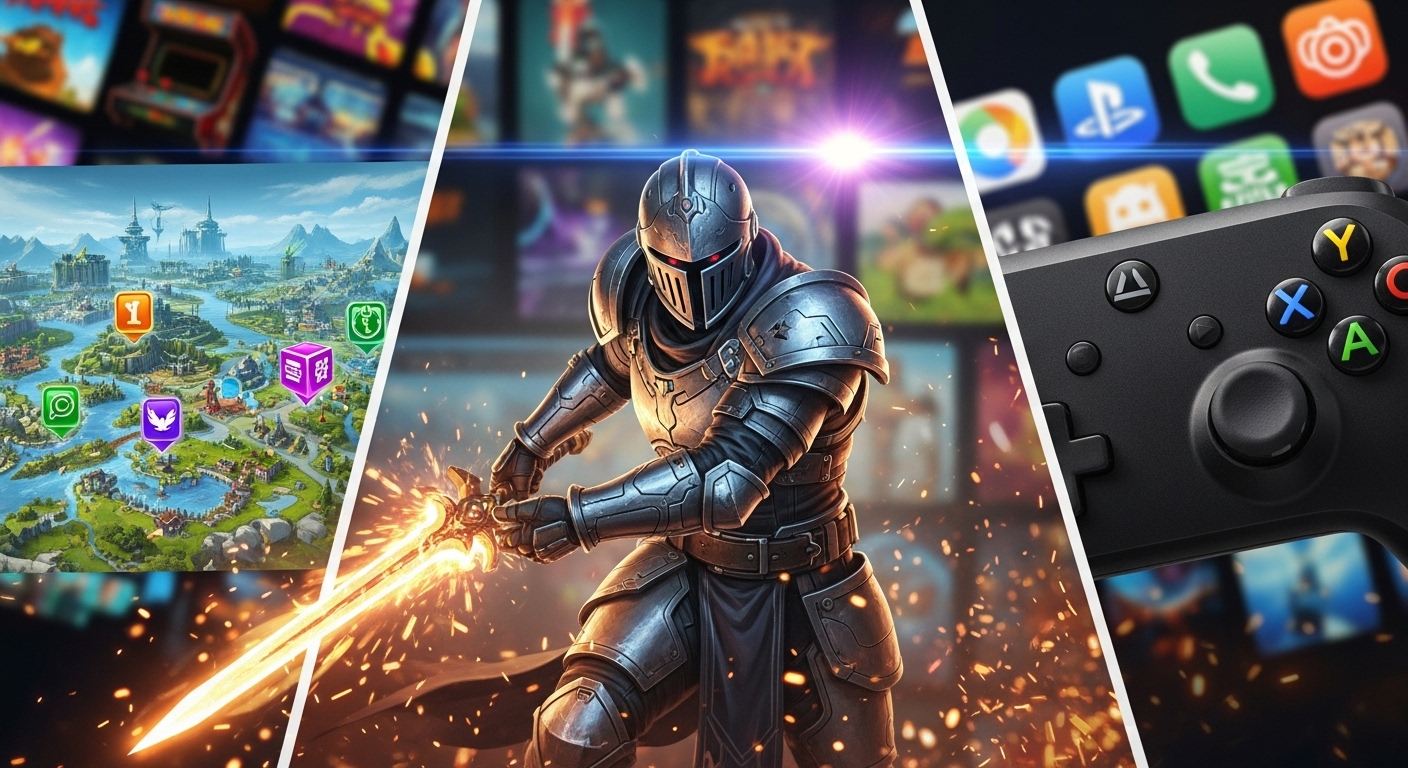
Games have been an integral part of human culture for centuries, evolving from simple pastimes to complex, immersive experiences that captivate millions worldwide. They entertain, challenge, and educate, blending storytelling, strategy, skill, and creativity. The modern gaming industry has expanded far beyond childhood hobbies, encompassing video games, board games, mobile games, and esports. With technological advancements, social connectivity, and innovative game design, games now influence entertainment, culture, and even education in ways previously unimaginable. This blog explores the evolution, impact, and future of games as a cornerstone of modern entertainment.
The Origins of Games
Games have existed in some form since the dawn of civilization. Early humans used games as a means of socialization, strategy development, and skill enhancement. Ancient board games like Senet in Egypt and Go in China served not only as entertainment but also as tools for strategic thinking and cultural expression.
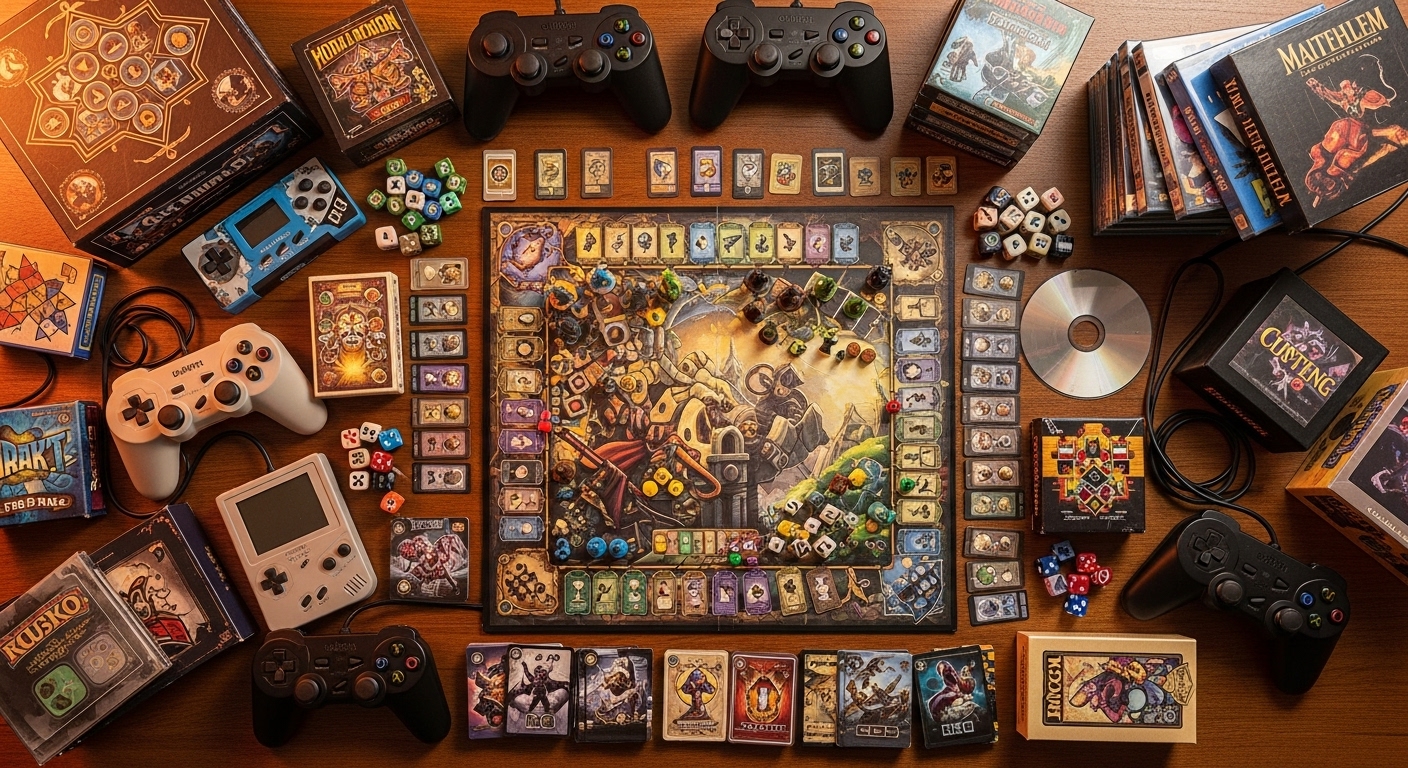
As societies evolved, games adapted to reflect cultural norms, technological capabilities, and social structures. Card games, chess, and dice games became popular forms of entertainment across regions, often providing both leisure and intellectual stimulation. These traditional games laid the foundation for modern gaming, emphasizing strategy, competition, and engagement.
Video Games: A Revolution in Entertainment
The introduction of video games in the late 20th century marked a major shift in the gaming landscape. Early arcade and console games provided new forms of interactive entertainment, combining skill, reflexes, and imagination. Classics like Pac-Man, Super Mario Bros, and Tetris captured the attention of players worldwide, demonstrating the power of games to entertain on a global scale.
Modern video games have evolved into complex, narrative-driven experiences. Titles like The Legend of Zelda, Final Fantasy, and The Witcher series combine storytelling, world-building, and interactive gameplay to immerse players in rich, imaginative universes. The integration of advanced graphics, realistic physics, and sophisticated AI has elevated gaming from a simple pastime to a form of digital artistry.
Mobile Gaming: Entertainment on the Go
The rise of smartphones has transformed gaming into an accessible, portable experience. Mobile games such as Candy Crush, PUBG Mobile, and Genshin Impact allow players to engage anywhere and anytime, expanding the reach of gaming to diverse audiences.
Mobile gaming emphasizes convenience, casual engagement, and social connectivity. Players can compete with friends, join online communities, and participate in global events without investing in consoles or high-end computers. The mobile platform has democratized gaming, making it more inclusive and accessible than ever before.
The Impact of Esports
Competitive gaming, or esports, has transformed games into spectator entertainment on a massive scale. Professional tournaments, leagues, and live-streamed events attract millions of viewers globally, showcasing skill, strategy, and teamwork at the highest level.
Games such as League of Legends, Dota 2, Counter-Strike: Global Offensive, and Fortnite have established esports as a legitimate professional arena. Players train rigorously, develop strategies, and compete for substantial prize pools, while fans engage through streaming platforms, live chats, and community forums. Esports demonstrates that games can be both participatory and spectator-driven, blending entertainment with professional competition.
Storytelling Through Games
Games are increasingly recognized as a medium for storytelling. Unlike traditional entertainment, games allow players to influence narratives, make choices, and explore virtual worlds. This interactive storytelling creates deeper emotional engagement and a sense of agency that films or books cannot replicate.
Role-playing games, adventure titles, and open-world experiences exemplify this trend. Games like The Elder Scrolls, Red Dead Redemption, and Life is Strange empower players to shape the story, creating a personalized journey through complex narratives. This integration of interactivity and storytelling has elevated games into a unique form of artistic expression.
The Social Dimension of Gaming
Games foster social interaction and community building in both virtual and physical spaces. Multiplayer games, online communities, and social features encourage collaboration, competition, and shared experiences.
From local board game nights to global online multiplayer sessions, games create connections between players. Communities form around shared interests, strategies, and in-game achievements, creating lasting friendships and cultural movements. Social gaming emphasizes cooperation, communication, and mutual enjoyment, highlighting games’ role in connecting people across distances.
Educational and Cognitive Benefits
Games are not solely for entertainment; they offer educational and cognitive benefits as well. Strategy games, puzzles, and simulation titles enhance problem-solving skills, critical thinking, and decision-making. Educational games teach history, science, language, and mathematics in interactive, engaging ways, making learning enjoyable.
Moreover, games develop hand-eye coordination, memory, and spatial awareness. Gamified learning platforms integrate these elements into educational frameworks, proving that games can be both entertaining and instructive. The cognitive benefits of gaming demonstrate its potential to influence personal development positively.
Virtual Reality and Augmented Reality in Gaming
Virtual reality (VR) and augmented reality (AR) are redefining how players experience games. VR immerses players in fully interactive digital worlds, while AR overlays digital elements onto the physical environment, creating mixed-reality experiences.
Games like Beat Saber, Half-Life: Alyx, and Pokémon Go demonstrate the potential of these technologies. VR allows for physical engagement and sensory immersion, while AR encourages exploration, movement, and interaction with real-world surroundings. These technologies expand the possibilities of gaming, making experiences more immersive, physical, and innovative.
Game Design and Technology
The evolution of game design and technology has been central to the growth of gaming as entertainment. Advanced graphics engines, realistic physics simulations, AI-driven characters, and online connectivity have transformed how games are developed and experienced.
Game developers experiment with mechanics, art styles, and narratives, blending creativity with technical expertise. Indie games and AAA titles alike push boundaries, offering innovative experiences that appeal to diverse audiences. The interplay of design, technology, and player feedback ensures that games remain dynamic, engaging, and culturally relevant.
Games and Cultural Influence
Games are more than entertainment; they influence culture, trends, and social behavior. Popular games inspire merchandise, cosplay, music, and online content, creating broader cultural movements. Gaming events, conventions, and tournaments draw global attention, celebrating creativity and community within the medium.
Furthermore, games reflect societal themes, historical contexts, and moral dilemmas. Titles exploring ethics, diversity, and social issues engage players intellectually and emotionally, making gaming a medium for reflection, dialogue, and cultural exchange.
Economic Impact of Gaming
The gaming industry is a major economic driver, generating billions in revenue globally. Sales of consoles, games, in-game purchases, mobile apps, and esports events contribute to a thriving ecosystem. Careers in development, marketing, design, and broadcasting offer professional opportunities, making gaming a legitimate and lucrative sector.
The success of gaming also encourages innovation, competition, and investment in technology. As the industry grows, it contributes not only to entertainment but also to technological advancement, cultural production, and global commerce.
The Future of Gaming
The future of gaming promises even more immersive, interactive, and socially connected experiences. Cloud gaming, AI-driven personalization, VR and AR advancements, and mobile integration will redefine how games are played and experienced.
Games will increasingly blend storytelling, social interaction, and competitive elements. They will continue to influence culture, education, and entertainment, expanding beyond traditional boundaries. The future points toward a gaming ecosystem that is accessible, engaging, and deeply integrated into everyday life.
Conclusion
Games have evolved from simple pastimes into a dynamic, influential form of entertainment. They combine creativity, technology, social interaction, and cognitive engagement to provide experiences that are immersive, educational, and culturally significant.
From traditional board games to modern video games, mobile apps, esports, and virtual reality experiences, games have reshaped how people play, connect, and enjoy entertainment. As technology advances and creativity continues to flourish, games will remain at the forefront of modern culture, offering limitless possibilities for fun, learning, and community building.